Kunxin Plastics, in collaboration with JK Optics, is pleased to announce its participation in the 2026 Frankfurt International Lighting Exhibition, one of the world’s most influential events for the global lighting industry.
Jiangmen, China — Jiangmen Kunxin New Material Technology Co., Ltd., a leading manufacturer of high-performance polycarbonate and acrylic sheets, is pleased to announce its participation in Trade Show Light 2025, the 32nd International Trade Show of Lighting Equipment. The event will take place from March 12th to 14th, 2025, at the EXPO XXI Exhibition Center in Warsaw, Poland.
KUNXIN is proud to announce our participation in the Optical Plastic Exhibition 2023, where we will showcase our latest advancements and high-quality products in the optical plastics industry. With over 10 years of experience in manufacturing and supplying polycarbonate and acrylic sheets, KUNXIN has established two renowned brands, "J.K Optics" and "KunXin plas," specializing in optical acrylic and polycarbonate diffusion sheets and textured acrylic panels.
As KUNXIN gears up for the Optical Plastic Exhibition 2023, we are thrilled to announce our strategic focus on expanding into overseas markets. Recognizing the immense potential and growing demand from international clients, we are excited to showcase our premium optical plastic products to a global audience.
Sourcing optical plastic sheets from China requires more than comparing product prices. Optical materials used for LED lighting, displays, light guide plates, and architectural applications require strict control of transparency, haze, thickness accuracy, surface quality, and batch consistency.
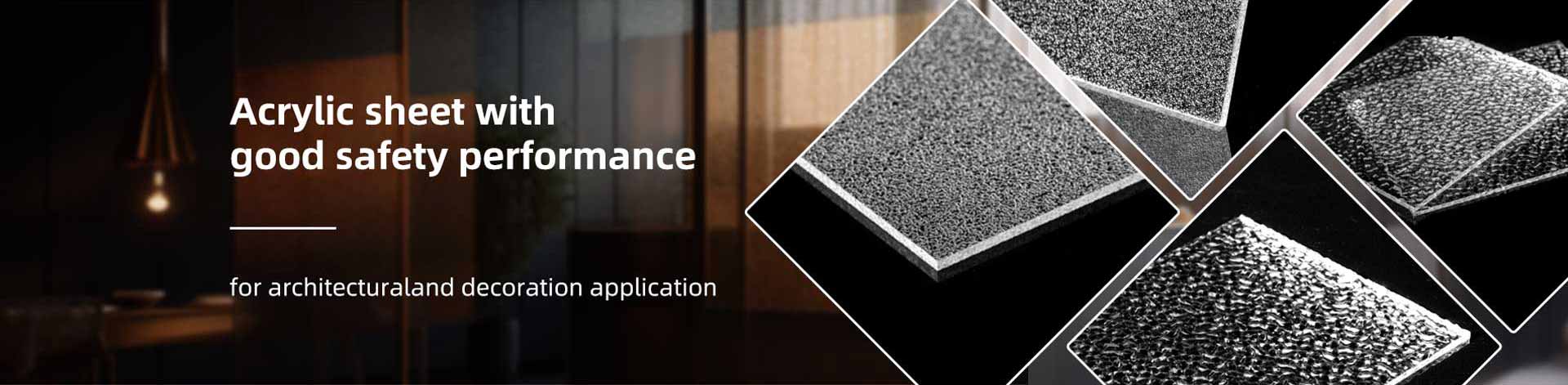
Acrylic sheet can be customized in both color and texture to meet different design, lighting, architectural, and decorative requirements. Through material formulation, surface treatment, and manufacturing control, acrylic manufacturers can create sheets with different colors, transparency levels, patterns, and visual effects.
Acrylic sheet thickness tolerance directly affects product appearance, processing accuracy, and final application performance. Whether the acrylic sheet is used for LED diffusers, architectural panels, displays, furniture, or customized plastic components, even small thickness variations can influence installation, light transmission, and assembly accuracy.
Ordering decorative acrylic sheet in bulk requires more than confirming price and quantity. Large-volume projects depend on consistent appearance, stable material performance, accurate specifications, and reliable production capability.
Customizing an acrylic diffuser sheet for LED fixtures requires balancing light transmission, diffusion performance, appearance, thickness, and processing requirements.
Shaping acrylic sheet requires the right combination of heat control, fabrication technology, and material quality. Because acrylic is a thermoplastic material, it can be transformed into different forms through heat bending, thermoforming, machining, and other processing methods while maintaining excellent optical performance.
Screwing into acrylic sheet is a common fabrication requirement for display panels, lighting covers, architectural structures, and customized plastic components. However, acrylic is different from metal or wood.
Putting a picture on acrylic sheet requires the right printing method, surface preparation, and material selection to achieve a clear, durable, and professional result.