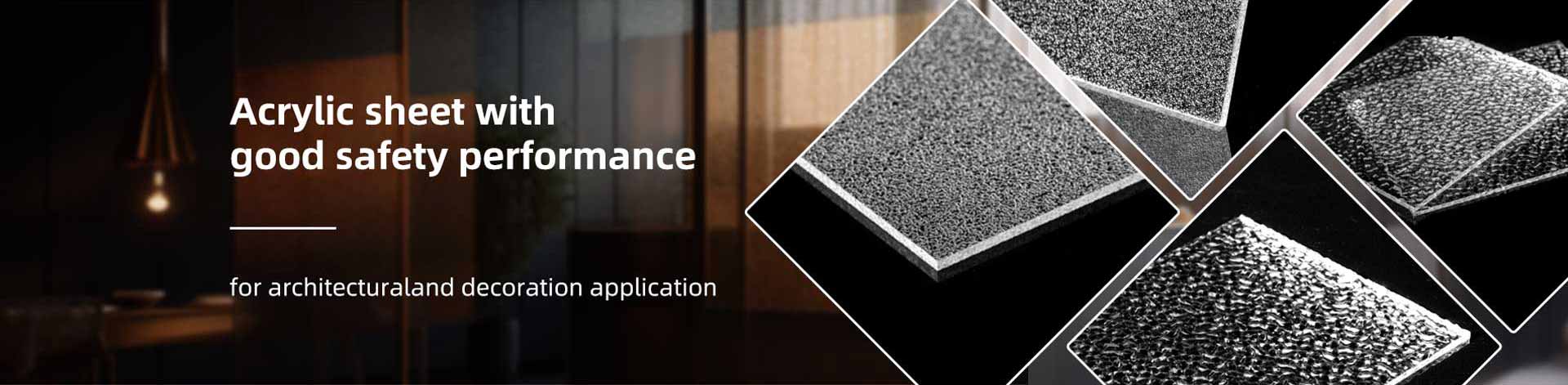
Acrylic sheet—also called PMMA (Polymethyl Methacrylate) or plexiglass—is a durable, transparent material used in lighting fixtures, signage, displays, and architectural panels.
When assembling projects, many people ask:
Can You Screw into Acrylic Sheet without cracking it?
The answer is yes, you can screw into acrylic safely if you drill the right holes, use the correct hardware, and avoid overtightening.
At KUNXIN Plastics, we manufacture and fabricate optical and Decorative Acrylic Sheets engineered for easy installation, including mechanical fastening with screws or bolts.
Acrylic is strong yet somewhat brittle compared to polycarbonate. It handles compression well but can crack under high localized stress, such as when a screw expands inside an undersized hole.
That’s why proper hole sizing and pilot drilling are essential before inserting screws.
| Property | Typical Value | Impact on Fastening |
|---|---|---|
| Tensile Strength | 70 MPa | Good for structural bonding |
| Hardness (Rockwell M) | 100 | Allows tight fit without deformation |
| Elastic Modulus | 3.2 GPa | Rigid—resists bending but needs clearance |
| Thermal Expansion | 0.07 mm/m·°C | Requires expansion space for outdoor use |
Knowing these mechanical traits helps you plan fastenings that protect the acrylic from stress and temperature fluctuations.
You should never drive a screw directly into solid acrylic—always drill a clearance hole first. Here’s how to do it correctly.
Use a plastic-specific or modified drill bit with a shallow rake angle (60°) and a wide tip.
Standard metal bits can grab and chip the surface. At KUNXIN Plastics, we use bits with polished flutes for clean, burr-free holes.
Mark the hole position, then drill slowly at low speed (500–1000 RPM) with light pressure.
Start with a small pilot bit (2–3 mm) before enlarging to the final diameter.
Use water or soapy solution to cool the bit and avoid melting.
Make the hole 0.2–0.4 mm larger than the screw’s diameter to allow slight movement and prevent stress cracking.
For example, for a 5 mm screw, drill a 5.3–5.4 mm hole.
Select flat-head or pan-head screws with rounded edges. Avoid sharp threads or countersunk screws that cut into the acrylic surface.
Insert the screw slowly with moderate torque—just enough to hold the part securely.
Overtightening is the main cause of cracks.
| Tip | Purpose |
|---|---|
| Use washers or rubber gaskets | Distributes pressure evenly |
| Pre-drill holes before assembly | Prevents heat cracking |
| Avoid self-tapping screws | Generates too much stress |
| Keep drilling area cool | Prevents melting or crazing |
| Do not tap threads directly in acrylic | Thread wear reduces strength |
| Support both sides during drilling | Stops vibration or breakout |
If your design requires frequent assembly and disassembly, consider threaded metal inserts or bolt-through connections instead of direct screws.
| Fastener Type | Description | Use Case |
|---|---|---|
| Machine Screws + Nuts | Pass through with nut on back | Signboards, display frames |
| Bolts with Washers | Distribute load across surface | Architectural panels |
| Threaded Inserts (Brass or Nylon) | Press-fit or heat-set into hole | Repeated screw applications |
| Rubber Spacers / Grommets | Cushion between panels | Lighting diffusers, vibration zones |
| Plastic Rivets | Snap-fit option | Lightweight assemblies |
At KUNXIN Plastics, we also offer custom pre-drilled sheets with mounting holes for lighting, signage, or architectural systems—ready for direct installation.
Driving screws without drilling – causes instant cracking.
Using metal-thread screws – sharp threads bite too deeply.
Drilling too fast – heat softens acrylic and distorts edges.
No clearance or washers – increases stress points.
Overtightening – small cracks may appear over time due to creep stress.
Acrylic is strong when handled properly, but it rewards precision over force.
Our production and fabrication team in Jiangmen, Guangdong uses CNC drilling, laser machining, and finishing systems to ensure all acrylic sheets are assembly-ready.
We provide:
Custom hole positioning and sizing for screw mounting
Countersink or through-hole designs for mechanical fastening
Edge polishing and surface protection after drilling
OEM/ODM services for international customers
Pre-mounted hardware solutions for industrial buyers
Each sheet undergoes inspection for hole tolerance and surface integrity, ensuring your final installation is smooth, safe, and stable.
Q1: Can I use self-tapping screws in acrylic?
It’s not recommended. Always pre-drill holes slightly larger than the screw to prevent cracks.
Q2: How can I make the holes stronger?
Use metal inserts or washers to spread load, and avoid point pressure on the acrylic.
Q3: What if I need to mount acrylic outdoors?
Leave a small expansion gap to compensate for temperature changes.
Q4: Can I drill holes near the edge?
Yes, but keep at least 1.5 times the hole diameter from the sheet edge to prevent cracking.
Q5: Do you provide pre-drilled or assembled acrylic panels?
Yes. KUNXIN Plastics supplies custom-cut and drilled acrylic sheets for lighting, decorative, and architectural applications.
Previous: Does Acrylic Sheet Block Uv