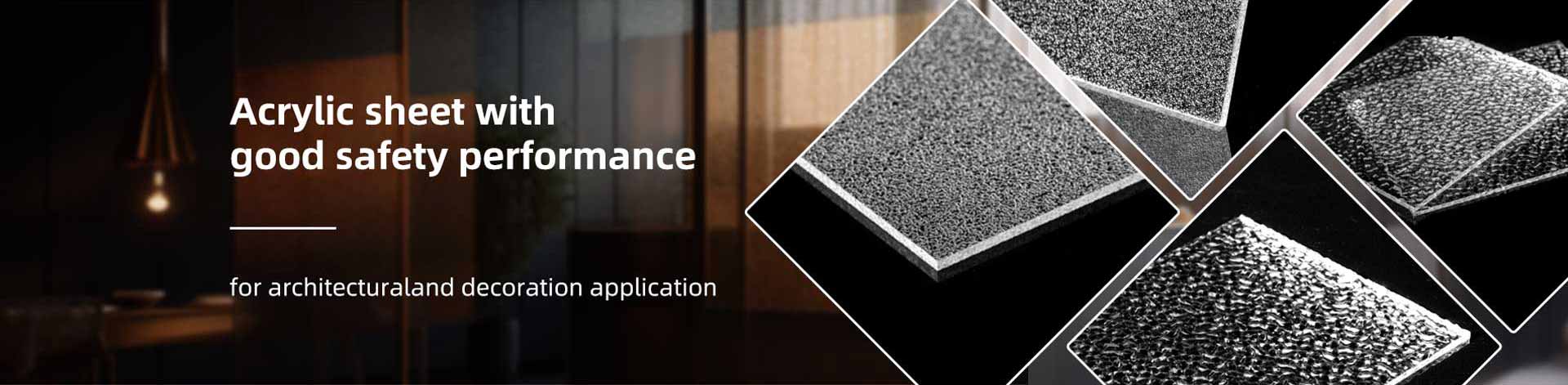
Acrylic sheet—technically known as PMMA (Polymethyl Methacrylate) or plexiglass—is prized for its optical clarity, strength, and weather resistance.
But in outdoor environments, exposure to sunlight raises an important question:
Does Acrylic Sheet Block Uv rays?
The short answer is yes—acrylic sheet naturally filters ultraviolet (UV) radiation, especially UVB and UVC, and can be specially formulated to block over 98% of harmful UV rays.
At KUNXIN Plastics, our UV-stabilized acrylic sheets are engineered for long-term clarity and durability under sunlight, making them ideal for outdoor lighting, architecture, and display applications.
UV radiation is divided into three main types based on wavelength:
| UV Type | Wavelength Range | Effect on Materials |
|---|---|---|
| UVA | 315–400 nm | Causes fading and surface aging |
| UVB | 280–315 nm | Leads to yellowing and material degradation |
| UVC | 100–280 nm | Absorbed by the atmosphere; rarely reaches Earth |
Prolonged exposure to UV radiation can degrade many plastics—causing discoloration, loss of strength, and surface cracking.
Acrylic, however, is exceptionally resistant to these effects due to its unique polymer structure.
Acrylic’s molecular composition absorbs UV wavelengths below 360 nm.
This means it naturally blocks most UVB and UVC rays and can be enhanced with UV absorbers to filter nearly all harmful radiation.
| Acrylic Type | UV Blocking Ability | Description |
|---|---|---|
| Standard Clear Acrylic | 80–90% UV block | Suitable for indoor lighting, displays, and short-term outdoor use |
| UV-Stabilized Acrylic (Outdoor Grade) | 98–99% UV block | Designed for long-term exposure; maintains clarity for 10+ years |
| Special Optical Acrylic | 99.9% UV block | Used for museums, greenhouses, and protective covers |
At KUNXIN Plastics, we manufacture both standard and UV-resistant grades, ensuring customers can match material protection to their specific application.
Ordinary plastics tend to yellow or become brittle under sunlight. Acrylic’s UV resistance prevents molecular breakdown, maintaining optical transparency even after years outdoors.
Acrylic panels in signage, skylights, and outdoor fixtures retain their strength and gloss far longer than non-UV-stabilized materials.
In glazing or canopy applications, UV-blocking acrylic shields furniture, artwork, and displays from fading due to sunlight exposure.
In tropical or desert climates, acrylic offers consistent performance under intense radiation without losing clarity.
Acrylic diffusers and lenses protect sensitive electronic components from UV damage while allowing maximum visible light transmission.
UV-resistant acrylic has become a standard material across multiple industries:
| Application | Purpose | KUNXIN Recommended Product |
|---|---|---|
| Outdoor Signage & Billboards | Prevents color fading under sunlight | Clear or frosted UV-grade acrylic |
| Architectural Skylights & Canopies | Long-term weather resistance | UV-stabilized cast acrylic sheet |
| Lighting Diffusers & LED Covers | Maintains optical clarity | Optical diffuser acrylic |
| Museum Display Cases | Protects artifacts and paintings | Optical UV-blocking acrylic |
| Greenhouses & Sunrooms | Allows sunlight while filtering UVB | Clear UV-filter acrylic panel |
Each application benefits from acrylic’s balance of UV protection and visible light transmission (92–93%)—a performance unmatched by most other plastics.
| Property | Acrylic (PMMA) | Polycarbonate (PC) | Glass |
|---|---|---|---|
| UV Resistance | Excellent (up to 99%) | Moderate (needs coating) | Excellent |
| Weight | 50% lighter than glass | 50% lighter than glass | Heavy |
| Transparency | 92–93% | 88–90% | 90–91% |
| Outdoor Durability | Outstanding | May yellow over time | Excellent |
| Cost Efficiency | Moderate | Higher | High (installation) |
Acrylic offers the best combination of UV stability, transparency, and workability, making it a popular substitute for glass in outdoor environments.
Our UV-stabilized acrylic sheets are produced using virgin PMMA resin and integrated UV absorbers during polymerization—not surface coatings.
This ensures uniform UV protection throughout the entire thickness of the sheet, even after cutting or machining.
Key Features of KUNXIN UV-Resistant Acrylic:
98–99% UV blocking performance
Long-term weather resistance (10–15 years)
Excellent optical clarity (92–93% transmission)
Custom thickness from 1 mm to 20 mm
Available finishes: clear, frosted, textured, mirrored, or colored
OEM/ODM customization for global architectural, lighting, and display projects
To preserve performance and appearance:
Clean with mild soap and water—avoid ammonia-based cleaners.
Do not apply abrasive cloths—use microfiber instead.
Install with UV-stable sealants in outdoor environments.
Avoid prolonged contact with solvents or adhesives that could affect surface stability.
Inspect periodically for debris buildup or stress around fasteners.
Proper care ensures your acrylic panels maintain transparency and UV resistance for more than a decade.
Q1: Does clear acrylic block UV rays?
Yes. Even standard clear acrylic blocks most UVB and UVC light, and UV-grade versions block up to 99%.
Q2: Will acrylic yellow under sunlight?
High-quality UV-stabilized acrylic from KUNXIN Plastics resists yellowing for over 10 years, even in outdoor conditions.
Q3: Can acrylic protect photos and artwork?
Yes. UV-blocking acrylic is commonly used in museums and galleries to protect valuable items from fading.
Q4: What’s the difference between UV-coated and UV-stabilized acrylic?
UV-coated acrylic only protects the surface, while UV-stabilized acrylic has UV absorbers built into the entire sheet.
Q5: Is acrylic better than polycarbonate for UV exposure?
Yes. Acrylic has superior optical clarity and UV resistance, while polycarbonate often requires an extra UV-protective layer.
Previous: Does Acrylic Sheet Break Easily