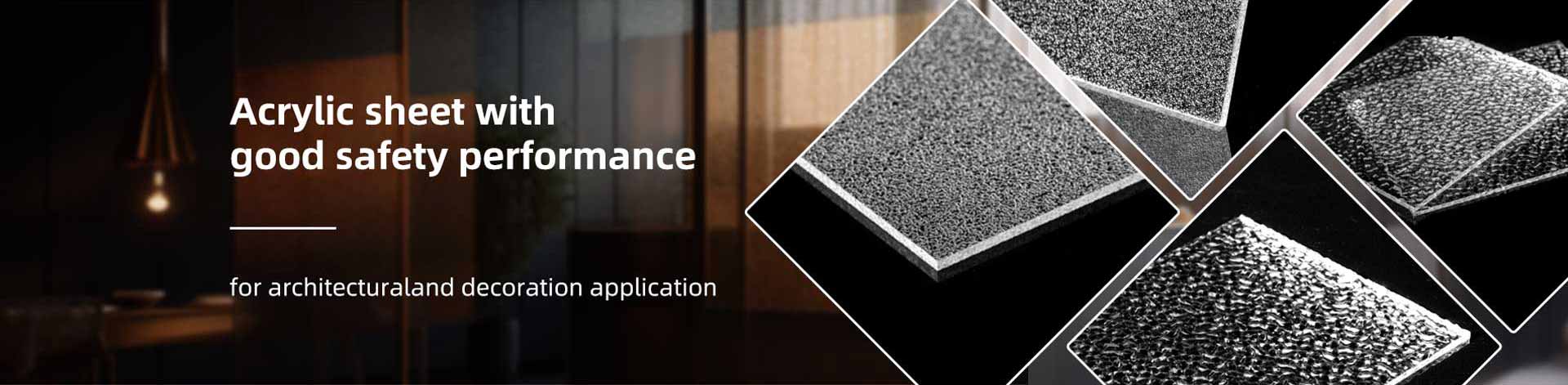
Acrylic sheet—also known as PMMA (Polymethyl Methacrylate) or plexiglass—is a popular alternative to glass because of its optical clarity, weather resistance, and versatility.
But when used outdoors for signage, skylights, or lighting fixtures, many customers wonder:
Does Acrylic Sheet Fade in Sunlight?
The short answer is no—high-quality acrylic sheet does not fade or yellow easily under sunlight, thanks to its excellent UV resistance and weather stability.
At KUNXIN Plastics, we produce UV-stabilized acrylic sheets that remain clear and vibrant even after years of outdoor exposure.
Sunlight contains ultraviolet (UV) radiation, which can break down the molecular structure of many plastics.
This process, called photo-degradation, leads to:
Fading or discoloration
Surface cracks or haze
Loss of strength or brittleness
Ordinary plastics like PVC or polystyrene tend to degrade quickly under prolonged UV exposure.
However, acrylic is an exception—its polymer chains are naturally stable and can be further enhanced with UV absorbers.
Acrylic is made from methyl methacrylate monomers (MMA), a material with built-in UV stability.
When sunlight hits an acrylic sheet, its surface absorbs and disperses UV energy before it can damage the internal structure.
At KUNXIN Plastics, our UV-stabilized acrylic sheets go a step further:
they’re manufactured with integrated UV absorbers during polymerization, not just a surface coating.
This ensures that the entire sheet—not just the outer layer—resists UV damage, even after machining, cutting, or polishing.
| Type of Acrylic | UV Resistance | Lifespan in Sunlight | Common Use |
|---|---|---|---|
| Standard Acrylic Sheet | Good (blocks ~90% UV) | 5–8 years | Indoor displays, covered areas |
| UV-Stabilized Acrylic Sheet | Excellent (blocks 98–99% UV) | 10–15 years | Outdoor signage, skylights |
| Optical-Grade UV Block Acrylic | Exceptional (blocks 99.9% UV) | 15+ years | Museums, lighting lenses |
Colored and printed acrylic sheets maintain original color intensity even under continuous sunlight exposure.
Clear acrylic retains 92–93% light transmission—the same as glass—without yellowing or hazing over time.
UV-stabilized acrylic withstands rain, wind, and temperature changes while keeping its gloss and transparency.
Its dense, non-porous surface resists oxidation, preventing surface dullness that often affects other plastics outdoors.
Properly installed acrylic sheets can last 10–15 years outdoors without significant loss of optical quality.
Because of its UV durability, acrylic is widely used in outdoor applications that require both clarity and stability:
| Application | Key Benefit | KUNXIN Recommended Product |
|---|---|---|
| Outdoor Signage & Billboards | No color fading under sunlight | Colored UV-stabilized acrylic |
| Architectural Skylights | Long-term clarity and impact strength | Clear cast acrylic sheet |
| Lighting Diffusers & Fixtures | UV resistance and high light transmission | Optical diffuser acrylic |
| Greenhouses & Sunrooms | Allows sunlight while blocking harmful UV | Clear UV-filter acrylic |
| Decorative Panels & Facades | Maintains surface gloss and color | Frosted or patterned UV-grade acrylic |
Each sheet produced by KUNXIN Plastics is tested under simulated outdoor conditions to ensure colorfastness and clarity retention.
Even though acrylic is naturally UV-stable, correct handling ensures the longest possible service life.
Choose UV-stabilized grades for outdoor exposure.
Install with flexible mounting to allow for thermal expansion.
Avoid harsh solvents or ammonia-based cleaners.
Use neutral-cure silicone sealants instead of acidic adhesives.
Clean regularly with mild soap and water to remove dust buildup.
Avoid dark-colored backing materials that absorb excess heat.
With proper care, acrylic sheets stay clear, glossy, and fade-free for over a decade.
| Property | Acrylic (PMMA) | Polycarbonate (PC) | PVC |
|---|---|---|---|
| UV Resistance | Excellent (up to 99% UV block) | Moderate (needs coating) | Poor |
| Color Stability | Outstanding | May yellow | Fades quickly |
| Transparency | 92–93% | 88–90% | 80–85% |
| Outdoor Durability | 10–15 years | 5–8 years | 2–3 years |
| Maintenance | Low | Moderate | High |
This makes acrylic the preferred choice for architectural, signage, and decorative products requiring long-lasting clarity and color retention.
At KUNXIN Plastics, we specialize in optical and Decorative Acrylic Sheets that combine aesthetic appeal with proven outdoor performance.
Our advantages include:
100% virgin PMMA resin for optical clarity and purity
UV-absorbing additives integrated during production
Custom thickness and color options (1 mm–20 mm)
Surface finishes: clear, frosted, mirrored, textured, or patterned
OEM/ODM fabrication for lighting, signage, and architectural projects
Rigorous quality control ensuring consistency and longevity
Every batch undergoes UV aging and exposure tests, guaranteeing reliable fade resistance for global customers.
Q1: Does clear acrylic yellow under sunlight?
No. Our UV-stabilized acrylic remains clear for more than 10 years in full sunlight without yellowing.
Q2: Will colored acrylic fade outdoors?
Not if it’s made from UV-resistant pigments. KUNXIN’s colored sheets maintain brightness for years.
Q3: How does acrylic compare to glass outdoors?
Acrylic is lighter, stronger, and equally transparent, while also providing UV filtering that protects against fading.
Q4: Can I use acrylic for outdoor LED signs?
Yes. Its UV stability, clarity, and light diffusion properties make it perfect for illuminated signage.
Q5: What is the lifespan of acrylic in sunlight?
Typically 10–15 years, depending on environment and maintenance.
Previous: Does Acrylic Sheet Yellow