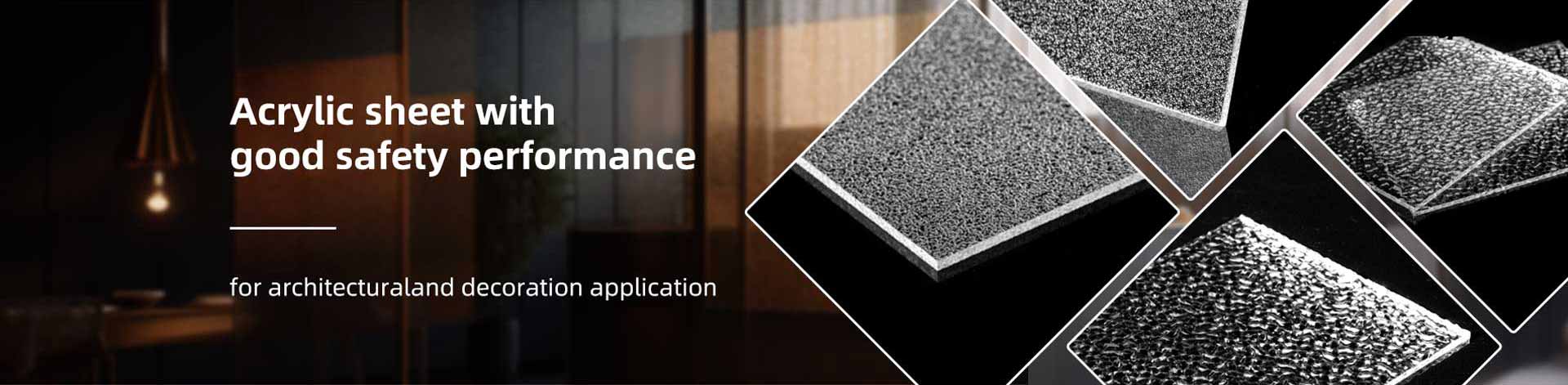
Acrylic sheet—technically known as PMMA (Polymethyl Methacrylate) or plexiglass—is valued for its crystal-clear transparency, durability, and UV resistance.
But when exposed to sunlight or aging, many users wonder:
Does acrylic sheet turn yellow over time?
The answer is no—high-quality acrylic does not yellow easily, even after years of outdoor exposure.
At KUNXIN Plastics, we manufacture UV-stabilized acrylic sheets designed to resist yellowing, fading, and optical degradation, maintaining clarity for 10–15 years or longer in real-world conditions.
Many plastics degrade under ultraviolet (UV) radiation, heat, and environmental pollutants.
This process, called photo-oxidation, breaks down molecular bonds, leading to:
Color change (yellowing or browning)
Loss of gloss and transparency
Surface cracking or embrittlement
Materials such as PVC, polystyrene, and ABS are especially vulnerable to UV damage.
Acrylic, on the other hand, is chemically engineered to be UV-stable and weather-resistant, which prevents yellowing.
Acrylic’s resistance to yellowing lies in its molecular structure and manufacturing process.
PMMA naturally absorbs and dissipates UV energy without breaking molecular chains.
Unlike other plastics, it doesn’t generate by-products that cause color change.
At KUNXIN Plastics, we add UV-absorbing compounds during polymerization—so protection exists throughout the entire sheet, not just as a coating.
Even after cutting, drilling, or polishing, the sheet retains full UV resistance.
We use 100 % virgin PMMA pellets, not recycled resins.
Recycled acrylic often contains impurities that accelerate discoloration when exposed to heat or sunlight.
Extensive testing and outdoor installations have shown that premium acrylic remains visually stable for a decade or more.
| Environment | Expected Clarity Retention | Notes |
|---|---|---|
| Indoor (Display / Lighting) | 100 % clarity for 15+ years | Minimal UV exposure |
| Outdoor (Signage / Skylights) | 95–98 % clarity for 10–15 years | UV-stabilized grade recommended |
| Extreme Climates (Tropical / Desert) | 90–95 % clarity for 8–12 years | Use extra-UV protection formulations |
Our UV-stabilized sheets show ΔYI < 2 (Yellow Index change under ASTM D1925) even after 5,000 hours of accelerated weathering.
Maintains 92–93 % light transmission, comparable to optical glass, for years.
Tolerates sunlight, rain, and temperature swings without color shift.
Ideal for outdoor signage, lighting diffusers, and architectural glazing where visual appearance is critical.
Built-in stabilizers guard against both sunlight and air pollutants such as ozone or sulfur compounds.
No need for coatings or frequent replacement—lower lifecycle costs.
| Property | Acrylic (PMMA) | Polycarbonate (PC) | PVC |
|---|---|---|---|
| UV Stability | Excellent (inherent) | Moderate (requires coating) | Poor |
| Yellowing Over Time | Minimal to none | Noticeable after years | Severe |
| Light Transmission | 92–93 % | 88–90 % | 80–85 % |
| Outdoor Lifespan | 10–15 years | 5–8 years | 2–3 years |
| Clarity Retention | Excellent | Fair | Low |
This comparison explains why architects and lighting designers prefer acrylic for projects requiring optical purity and long-term clarity.
Outdoor Signage and Billboards – stay bright and clear despite UV exposure.
Architectural Skylights and Canopies – retain transparency while blocking harmful UV.
Lighting Diffusers and Lenses – ensure consistent brightness for years.
Display Cases and Exhibits – protect products or artwork without discoloration.
Protective Shields and Barriers – maintain optical visibility over long service life.
Each sheet produced by KUNXIN Plastics undergoes UV-aging simulation to ensure consistent non-yellowing performance.
Although acrylic is UV-stable, proper care further extends its lifespan:
Clean regularly with mild soap and water; avoid ammonia or acetone.
Keep surfaces dry to prevent dust or chemical buildup.
Use UV-resistant sealants for outdoor joints and frames.
Avoid high heat near lighting sources—use LED rather than halogen lamps.
Store flat and covered when not installed to prevent dust staining.
100 % Virgin PMMA Material – ensures optical purity and stability.
Integrated UV Protection – prevents yellowing from within.
Precision Finishing – CNC cutting, polishing, and forming available.
OEM / ODM Production – customized colors, textures, and sizes.
Proven Outdoor Durability – field-tested performance for global clients.
Our non-yellowing acrylic sheets are trusted by lighting manufacturers, signage companies, and architectural builders worldwide.
Q1: Why do some acrylic sheets turn yellow?
Low-grade or recycled acrylic lacks proper UV stabilizers. Over time, UV radiation breaks down those materials, causing yellowing.
Q2: Will clear acrylic stay transparent outdoors?
Yes. UV-stabilized acrylic retains 92–93 % light transmission for more than a decade in sunlight.
Q3: Does colored acrylic fade or yellow?
No—KUNXIN Plastics uses UV-resistant pigments that preserve color saturation outdoors.
Q4: Can acrylic yellow under artificial light?
Only under strong UV-emitting lamps such as unfiltered halogen; LED lighting is completely safe.
Q5: How long will KUNXIN acrylic resist yellowing?
Typically 10–15 years outdoors and much longer indoors.
Previous: Does Resin Stick To Acrylic Sheet