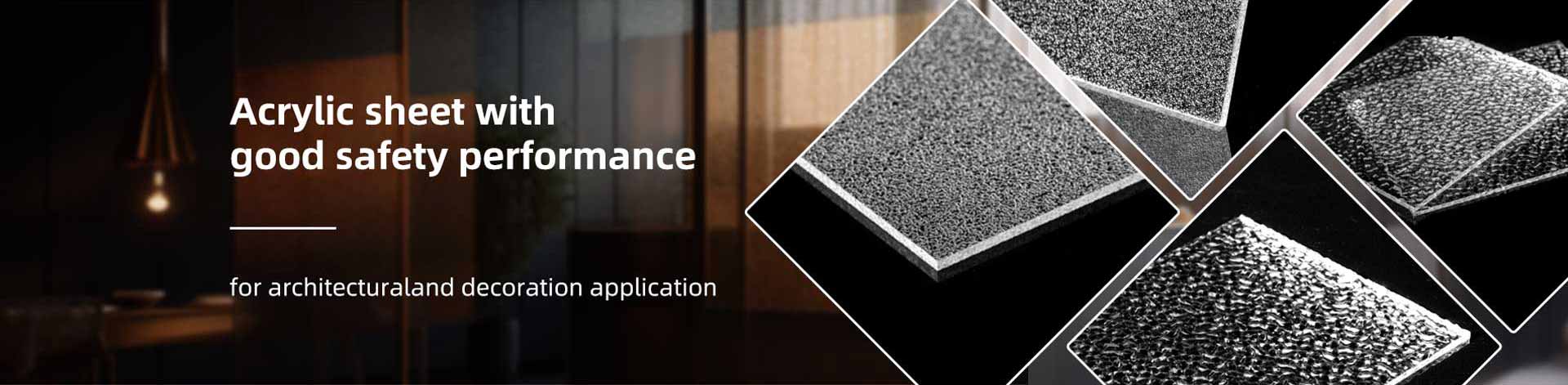
Acrylic sheet—scientifically known as PMMA (Polymethyl Methacrylate) and commonly called plexiglass—is widely used as a durable, lightweight alternative to glass.
Its crystal-clear transparency and toughness make it suitable for architectural glazing, lighting diffusers, signage, and protective panels.
But exactly How Strong Is Acrylic Sheet?
The answer is that acrylic is 10–20 times stronger than glass while weighing only half as much. It combines impressive impact resistance, rigidity, and weather durability, making it one of the most reliable transparent materials in the world.
Acrylic’s mechanical strength is measured by its ability to resist impact, bending, and tensile stress.
| Property | Typical Value | Description |
|---|---|---|
| Tensile Strength | ~70 MPa (10,000 psi) | Maximum pulling force before breaking |
| Flexural Strength | ~110 MPa (16,000 psi) | Resistance to bending and deformation |
| Impact Strength | 10–20 × greater than glass | Absorbs shock without shattering |
| Elastic Modulus | 3.2 GPa | Excellent stiffness and dimensional stability |
| Density | 1.19 g/cm³ | 50% lighter than glass |
These properties make acrylic stronger than most plastics while remaining easier to machine, cut, and thermoform.
Acrylic is designed to outperform glass in both impact strength and safety.
While glass breaks into sharp, dangerous shards under stress, acrylic bends slightly before cracking, reducing injury risk.
| Feature | Acrylic (PMMA) | Glass |
|---|---|---|
| Impact Resistance | 10–20× higher | Very brittle |
| Weight | 50% lighter | Heavy |
| Break Pattern | Dulls or cracks | Shatters into sharp fragments |
| Flexibility | Moderate | None |
| Transparency | 92–93% | 90–91% |
| UV Stability | Excellent (UV-stabilized grades) | May yellow over time |
Because of its combination of strength and optical clarity, acrylic is now standard in areas that once relied exclusively on glass—such as shop windows, machine guards, skylights, and vehicle glazing.
Acrylic can withstand impacts that would shatter glass, making it ideal for both indoor and outdoor use.
Standard cast acrylic sheet resists minor impacts from tools, debris, or contact pressure. For example, a 6 mm sheet can resist typical blows that easily break window glass.
When properly supported, thicker acrylic panels (10–20 mm) can be used as protective shields or partitions in public spaces, laboratories, or manufacturing environments.
Acrylic maintains its mechanical strength and clarity under sunlight, rain, and temperature fluctuations. UV-stabilized grades from KUNXIN Plastics remain clear and strong for 10–15 years outdoors.
The strength of an acrylic sheet depends on several engineering variables:
| Factor | Effect |
|---|---|
| Thickness | Thicker sheets have higher load-bearing capacity and less flex. |
| Support Span | Narrower spans reduce bending and stress concentration. |
| Grade (Cast vs. Extruded) | Cast acrylic is stronger and more stress-resistant than extruded. |
| Temperature | Above 80 °C, stiffness decreases slightly. |
| Edge Condition | Polished or rounded edges prevent stress cracks. |
At KUNXIN Plastics, both cast and extruded acrylic sheets are available in a wide range of thicknesses (1 mm–50 mm) for various strength requirements.
Acrylic is very strong, but it’s important to distinguish it from polycarbonate—a material known for extreme impact resistance.
| Property | Acrylic (PMMA) | Polycarbonate (PC) |
|---|---|---|
| Impact Strength | 10–20× stronger than glass | 250× stronger than glass |
| Scratch Resistance | Higher | Lower (softer surface) |
| Transparency | 92–93% | 88–90% |
| UV Resistance | Excellent | Requires coating |
| Rigidity | Higher | More flexible |
| Cost | Lower | Higher |
For most architectural, signage, and lighting uses, acrylic offers the best balance between rigidity, clarity, and long-term performance.
When maximum impact resistance is essential (e.g., bulletproof shields), polycarbonate is used instead.
Here are practical examples of how acrylic’s strength performs across applications:
| Application | Typical Thickness | Load / Stress Resistance |
|---|---|---|
| Protective Screens | 4–6 mm | Resists accidental impact |
| Display Shelves | 8–10 mm | Supports 15–20 kg evenly distributed |
| Aquarium Panels | 10–25 mm | Withstands hydrostatic pressure for years |
| Machine Guards | 6–12 mm | Absorbs tool or debris impact safely |
| Skylights and Canopies | 10–20 mm | Handles wind load and UV exposure |
Every acrylic panel produced by KUNXIN Plastics undergoes impact and flexural testing to ensure performance consistency.
No shattering hazard: Acrylic cracks cleanly without sharp splinters.
Lightweight for installation: Easier to handle and mount than glass.
Chemical and UV stability: Withstands weathering and aging.
Low maintenance: Retains optical clarity with simple cleaning.
These qualities make acrylic an excellent choice for schools, offices, retail environments, and outdoor installations.
At KUNXIN Plastics, our high-strength acrylic sheets are made from 100% virgin PMMA resin, ensuring superior optical and mechanical performance.
We offer:
Impact-resistant grades for safety and protection
UV-stabilized options for outdoor durability
Custom thickness and color options
CNC cutting and edge polishing services
OEM/ODM manufacturing for architectural and industrial applications
Our materials meet international quality standards and are trusted by engineers, architects, and global manufacturers.
Q1: How strong is acrylic compared to glass?
Acrylic is 10–20 times stronger than glass while being 50% lighter.
Q2: Can acrylic sheets break?
They can, but they are much more resistant to shattering. Acrylic tends to flex and crack instead of exploding into shards.
Q3: Is cast acrylic stronger than extruded acrylic?
Yes. Cast acrylic has higher molecular strength and is more resistant to stress cracking.
Q4: Can acrylic withstand outdoor weather?
Absolutely. UV-stabilized acrylic from KUNXIN Plastics maintains strength and clarity for over a decade in direct sunlight.
Q5: How thick should acrylic be for structural use?
For load-bearing or protective applications, 8–12 mm thickness is recommended; for glazing, 4–6 mm is usually sufficient.
Previous: How Thick Is Acrylic Sheet