Acrylic sheet—also known as PMMA (Polymethyl Methacrylate) or plexiglass—is one of the most versatile transparent plastics in the world.
Used across architecture, lighting, display, and manufacturing industries, it offers high clarity, strength, and weather resistance.
But a common question for buyers and designers is:
How Thick Is Acrylic Sheet, and which thickness should I choose?
At KUNXIN Plastics, we manufacture and supply cast and extruded acrylic sheets in a full range of thicknesses—from ultra-thin films to heavy-duty structural panels—tailored to each application.
Acrylic sheet thickness varies depending on the manufacturing method (cast or extruded) and intended use.
Below is the general range available on the market:
| Acrylic Type | Typical Thickness Range | Common Applications |
|---|---|---|
| Extruded Acrylic Sheet | 1 mm – 15 mm | Displays, lighting diffusers, picture frames |
| Cast Acrylic Sheet | 1 mm – 50 mm | Aquariums, skylights, furniture, structural panels |
| Special Industrial Grades | Up to 100 mm or more | Machine guards, large tanks, glazing systems |
At KUNXIN Plastics, our standard thickness range is 1 mm to 50 mm, but custom thicknesses are available upon request for special projects.
To help you select the right thickness, here’s a practical guide that matches thickness to typical applications:
| Thickness | Common Use | Notes |
|---|---|---|
| 1.5 – 2 mm | Poster covers, photo frames | Light, flexible, for indoor use |
| 3 mm (1/8") | Signage, menu boards, small protective screens | Rigid enough for moderate handling |
| 4.5 – 5 mm (3/16") | Retail displays, lightboxes | Ideal balance between weight and stiffness |
| 6 mm (1/4") | Machine guards, partitions, wall panels | Offers strong rigidity and impact resistance |
| 8 – 10 mm (5/16" – 3/8") | Shelves, furniture, aquariums | Suitable for load-bearing structures |
| 12 – 15 mm (1/2") | Outdoor canopies, glazing, skylights | High stiffness and weather durability |
| 20 – 30 mm (3/4" – 1-1/4") | Aquatic tanks, architectural panels | Excellent structural stability |
| 40 – 50 mm (1-1/2" – 2") | Pressure tanks, observation windows | Heavy-duty industrial or marine use |
Each thickness is chosen based on load, span, transparency requirements, and environmental exposure.
The two manufacturing processes—casting and extrusion—produce slightly different dimensional tolerances.
| Property | Cast Acrylic | Extruded Acrylic |
|---|---|---|
| Thickness Range | 1–50 mm | 1–15 mm |
| Tolerance | ±5–10% (depends on sheet size) | ±3% (more uniform) |
| Molecular Weight | Higher (more rigid) | Lower (easier to thermoform) |
| Strength and Clarity | Excellent optical quality | Consistent for mass production |
Cast acrylic is preferred for high-end optical or structural applications.
Extruded acrylic is ideal for budget-friendly projects requiring uniform thickness.
Acrylic sheet thickness is typically expressed in millimeters (mm) or inches (in.).
1 inch equals 25.4 mm. Here’s a quick conversion chart for reference:
| Metric (mm) | Imperial (in.) |
|---|---|
| 2 mm | 1/16" |
| 3 mm | 1/8" |
| 4.5 mm | 3/16" |
| 6 mm | 1/4" |
| 9 mm | 3/8" |
| 12 mm | 1/2" |
| 18 mm | 3/4" |
| 24 mm | 1" |
KUNXIN Plastics supplies both metric and imperial standard sizes, and we also cut-to-size for global clients.
Selecting the correct thickness depends on your project’s load, span, and safety requirements.
2–5 mm sheets are sufficient for wall-mounted signs and indoor panels.
Extruded acrylic offers cost efficiency for bulk display fabrication.
4–6 mm is ideal for counter shields and machine enclosures.
Cast acrylic ensures higher impact resistance and durability.
8–12 mm thickness provides rigidity and prevents sagging.
Thicker panels are recommended for large spans.
10–25 mm or more, depending on tank size and water pressure.
Cast acrylic is used for its superior strength and clarity.
12–20 mm UV-stabilized sheets are best for canopies, skylights, and facades.
Acrylic weighs about 1.19 g/cm³, nearly half the weight of glass.
This makes it easier to handle even at larger thicknesses.
| Thickness | Weight per Square Meter | Equivalent Glass Weight |
|---|---|---|
| 3 mm | ~3.6 kg/m² | ~7.5 kg/m² |
| 6 mm | ~7.2 kg/m² | ~15 kg/m² |
| 10 mm | ~12 kg/m² | ~25 kg/m² |
| 20 mm | ~24 kg/m² | ~50 kg/m² |
Because of this lightweight property, acrylic reduces installation load while maintaining high structural performance.
At KUNXIN Plastics, we provide customized acrylic sheet thicknesses and dimensions for industrial, architectural, and decorative applications.
Our capabilities include:
Thickness range: 1 mm – 50 mm (customizable beyond standard sizes)
Sheet size: Up to 2050 × 3050 mm
Cut-to-size service: CNC cutting, laser shaping, and precision trimming
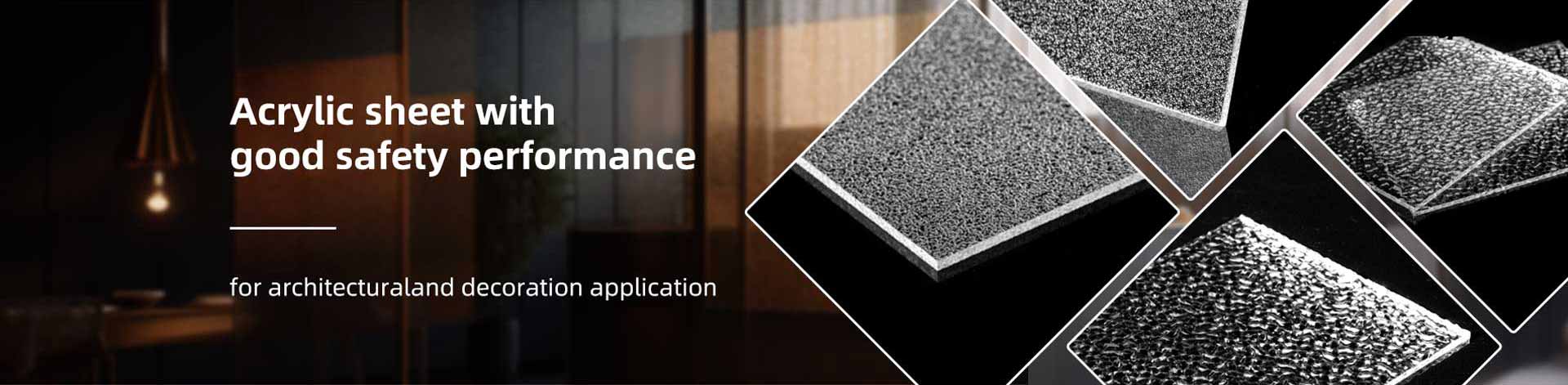
Surface options: Clear, frosted, textured, mirrored, and colored
OEM/ODM customization for lighting, signage, and building materials
Every sheet is manufactured using 100% virgin PMMA resin for consistent optical and mechanical performance.
Q1: What is the standard thickness of acrylic sheet for signage?
3–5 mm is standard for indoor signage; 5–8 mm for outdoor signs.
Q2: How thick should acrylic be for a shelf?
For spans under 600 mm, use 8–10 mm; for larger spans, use 12–15 mm with edge support.
Q3: Can I order custom thickness sheets?
Yes, KUNXIN Plastics manufactures to custom thicknesses for OEM and bulk orders.
Q4: Is thicker acrylic stronger?
Yes. Increasing thickness greatly enhances rigidity and load-bearing capacity.
Q5: What’s the tolerance for thickness accuracy?
Cast acrylic: ±5–10%; Extruded acrylic: ±3%. KUNXIN ensures consistent thickness control for all batches.
Previous: How To Acrylic Sheet