As the global demand for durable, high-clarity, and customizable plastic materials continues to rise, cast acrylic sheet has become one of the most sought-after materials across architecture, commercial displays, marine equipment, lighting, furniture, and protective paneling. Searches related to “How to Cast Acrylic Sheet” are growing steadily on Google, reflecting not only interest in the technical process but also increased attention from international buyers evaluating supplier capability, production quality, and collaboration potential.
This makes cast acrylic an important discussion point in industry news, especially for companies seeking reliable partners like Kunxin Plastics, who specialize in optical and decorative plastic sheet solutions.
Cast acrylic sheet is produced through a batch-casting method in which liquid acrylic monomer is poured into a mold formed by two clean, polished plates. It then undergoes controlled polymerization to form a rigid, optically clear sheet. This method delivers several advantages:
High optical clarity suitable for lighting, displays, and transparent structures
Superior surface hardness and long-term weather resistance
Uniform thickness and reduced internal stress compared with extruded acrylic
Strong dimensional stability suitable for fabrication, bending, polishing, and CNC cutting
Better performance in outdoor, marine, and high-humidity environments
These performance benefits explain why cast acrylic is increasingly preferred by engineers, designers, builders, and industrial buyers.
Understanding the casting process helps international buyers assess supplier expertise and evaluate product quality before cooperation.
Two highly polished plates, often glass or metal, are cleaned and assembled with a gasket to form the mold. The gasket defines the final acrylic sheet thickness. Any impurity or surface mark at this stage affects transparency and flatness, so precision is essential.
Liquid acrylic monomer is mixed with a polymerization initiator. The mixture is slowly poured into the mold cell to avoid bubbles. Slow filling ensures clarity and prevents optical defects.
The filled molds are placed in controlled heating environments. The monomer gradually transforms into a solid polymer. Temperature, timing, and curing cycles differ depending on the sheet thickness, but proper control is what gives cast acrylic its stable physical properties.
After curing, the mold is opened and the acrylic sheet is removed. Each sheet undergoes optical inspection, surface checking, and thickness verification. Defect control at this stage determines the supplier’s quality standard.
The cured sheet is trimmed, polished, edge-finished, masked with protective film, and packaged safely for transportation. For export suppliers, this step is vital because acrylic is sensitive to scratches and pressure during shipment.
Market demand for cast acrylic sheet is expanding rapidly due to several trends:
Growth in architectural and commercial interior projects requiring transparent or decorative plastic panels
Increased use of acrylic in marine platforms, aquaculture systems, safety barriers, and viewing panels
Rising demand for CNC-fabricated acrylic parts in engineering, signage, and lighting
A shift toward durable materials with long service life and environmental resistance
A growing preference for high-end cast acrylic over lower-grade extruded acrylic
These factors encourage buyers to seek stable, technically competent suppliers who can provide reliable quality and consistent specifications.
Professional international buyers often evaluate suppliers based on:
Use of high-purity virgin PMMA with clear optical performance
Ability to offer custom-size sheets and fabrication services
Thickness accuracy and surface uniformity across each batch
Capability to perform CNC cutting, laser cutting, polishing, drilling, and edge finishing
Experience with export standards, including safe packaging for long-distance transport
Reliable production capacity and stable lead times
Competitive pricing combined with consistent quality control
Suppliers who can deliver these benefits often become long-term partners for marine engineering firms, construction companies, lighting factories, and display system manufacturers.
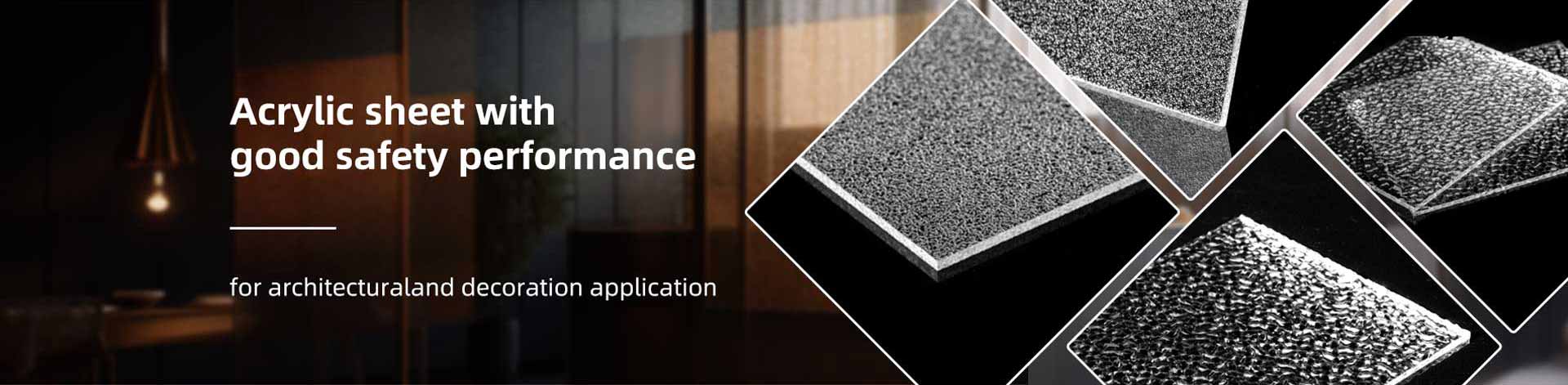
Kunxin Plastics specializes in Optical Plastics, acrylic diffuser sheets, decorative acrylic panels, prismatic sheets, and custom-fabricated acrylic components. As global demand for cast acrylic continues to rise, the following collaboration opportunities are emerging:
Overseas buyers often require unique thicknesses, colors, or surface finishes. Kunxin Plastics can support project-specific customization to meet the needs of architectural, marine, and commercial display clients.
Many buyers prefer pre-cut, ready-to-install acrylic components instead of raw stock sheets. Kunxin Plastics provides cutting, finishing, polishing, and CNC processing, reducing clients’ workload and ensuring consistent quality.
Cast acrylic’s weather resistance is ideal for floating platforms, aquaculture equipment, viewing windows, wave-resistant structures, and outdoor signage. Kunxin Plastics can deliver solutions tailored to these environments.
Buyers seeking stable supply chains and continuous product development can partner with Kunxin Plastics for OEM and ODM programs across various acrylic sheet categories.
As acrylic materials continue to replace traditional glass and metal in multiple industries, cast acrylic sheet is expected to remain one of the fastest-growing materials globally. Companies that secure reliable suppliers now will enhance their competitiveness in upcoming projects and markets.
Kunxin Plastics welcomes partnerships with distributors, engineering firms, lighting manufacturers, marine equipment companies, construction contractors, and display system integrators who seek high-quality, customizable acrylic sheet solutions.