Acrylic paint is widely used for decoration, signage, crafts, and display projects because it adheres well to smooth surfaces and dries quickly. Acrylic sheets, often used in lighting, display panels, and architectural applications, have a smooth, non-porous surface that allows paint to bond firmly once cured.
Removing acrylic paint from an acrylic sheet requires care. Acrylic sheets are softer than glass and can scratch or haze easily if incorrect tools or chemicals are used. The goal is to remove the paint without damaging surface clarity, gloss, or optical performance.
Fresh or partially dried acrylic paint is much easier to remove than fully cured paint. The longer the paint has cured, the stronger its adhesion to the acrylic sheet surface.
Identifying whether the paint is fresh, semi-dry, or fully cured helps determine the safest and most effective removal method.
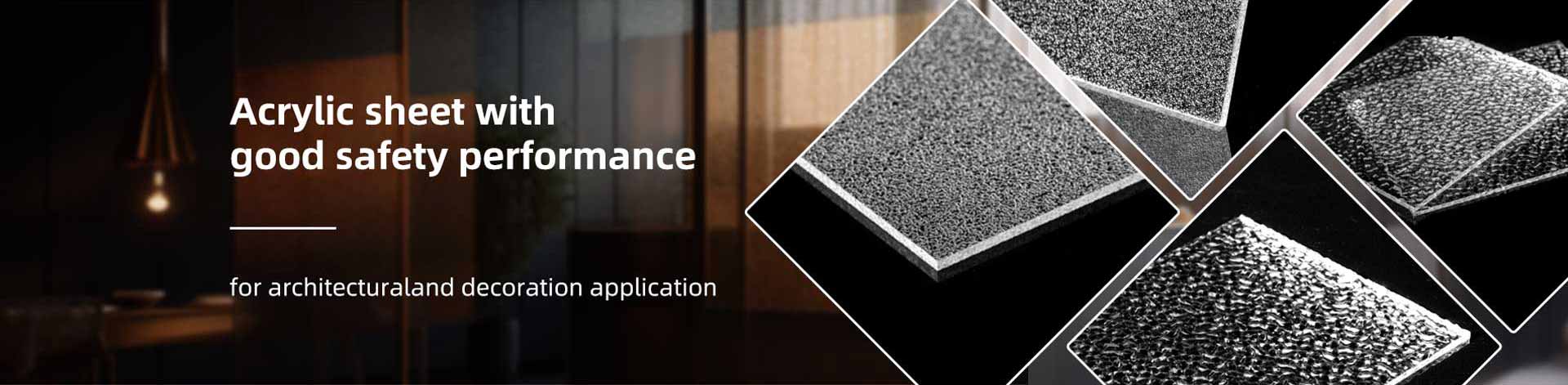
Clear, frosted, matte, and Textured Acrylic Sheets respond differently to cleaning methods. High-gloss optical acrylic requires extra caution to avoid micro-scratches, while textured surfaces may trap paint in surface patterns.
Understanding the surface finish helps prevent accidental damage during cleaning.
If the paint is still wet or only lightly dried, removal is straightforward.
Use a soft, lint-free cloth dampened with warm water and a small amount of mild soap. Gently wipe the painted area without applying strong pressure. This method is safe for all acrylic sheet types and preserves surface clarity.
Avoid abrasive sponges or paper towels, which may leave fine scratches.
For dried acrylic paint, isopropyl alcohol is one of the safest and most effective solutions for acrylic sheets.
Apply a small amount of alcohol to a soft cloth and gently rub the painted area. The alcohol softens the paint, allowing it to lift from the surface without attacking the acrylic material when used correctly.
Always test on a small, inconspicuous area first to confirm compatibility.
If the paint layer is thick, softened paint can be carefully lifted using a plastic scraper or a plastic card. The scraper should be held at a shallow angle to avoid digging into the acrylic surface.
Metal blades or sharp tools should never be used, as they can permanently scratch or chip the sheet.
Solvents such as acetone, lacquer thinner, or paint remover products can dissolve or craze acrylic sheets. These chemicals may cause surface whitening, cracking, or permanent distortion.
Even short exposure can damage optical acrylic, making these solvents unsuitable for paint removal.
Steel wool, scouring pads, abrasive powders, or rough cloths can leave visible scratches and reduce transparency. Scratches on acrylic sheets are difficult to repair and may affect light transmission or appearance.
Always choose soft, non-abrasive cleaning tools.
Textured and frosted acrylic sheets require additional patience because paint can settle into surface patterns.
Use isopropyl alcohol with a soft brush or microfiber cloth to gently loosen paint trapped in grooves. Work slowly and avoid excessive pressure to prevent uneven surface wear.
Multiple light passes are safer than aggressive scrubbing.
After paint removal, residue may remain on the surface.
Clean the area with mild soap and water to remove any remaining alcohol or paint particles. Dry with a clean microfiber cloth. For high-clarity acrylic sheets, a dedicated acrylic cleaner or polish can be used to restore surface shine and reduce static attraction.
To avoid the need for paint removal, protective masking films or removable coatings can be applied before painting. These protective layers allow easy cleanup and help maintain the original surface quality of the acrylic sheet.
This approach is especially important for optical or decorative acrylic used in display and lighting applications.
High-quality acrylic sheets with uniform surface structure and controlled material formulation are more resistant to haze, stress cracking, and cleaning-related damage. Sheets produced with stable extrusion and finishing processes maintain better surface integrity during repeated cleaning or maintenance.
Kunxin Plastics manufactures acrylic sheets designed for optical clarity, stable surface performance, and reliable processing behavior. These characteristics help ensure that cleaning and paint removal can be performed safely when proper methods are used.
Removing acrylic paint from an acrylic sheet is possible without damaging the material when correct methods are applied. Mild soap and water work well for fresh paint, while isopropyl alcohol combined with gentle wiping is effective for dried paint. Plastic tools can assist with thicker layers, but harsh solvents and abrasive materials should always be avoided.
By understanding acrylic sheet properties and using safe cleaning techniques, manufacturers and users can maintain surface clarity, appearance, and long-term performance. High-quality acrylic sheets further support easier maintenance and better durability in real-world applications.