Acrylic sheet bonding is a common process in signage, display fabrication, lighting components, architectural panels, and decorative applications. Unlike mechanical fastening, proper gluing creates a clean appearance, strong joint, and stable structure without drilling or visible hardware.
However, acrylic is a thermoplastic material that reacts sensitively to stress, solvents, and improper handling. Choosing the correct adhesive and bonding method is critical to achieving strong joints without cracking, whitening, or loss of transparency.
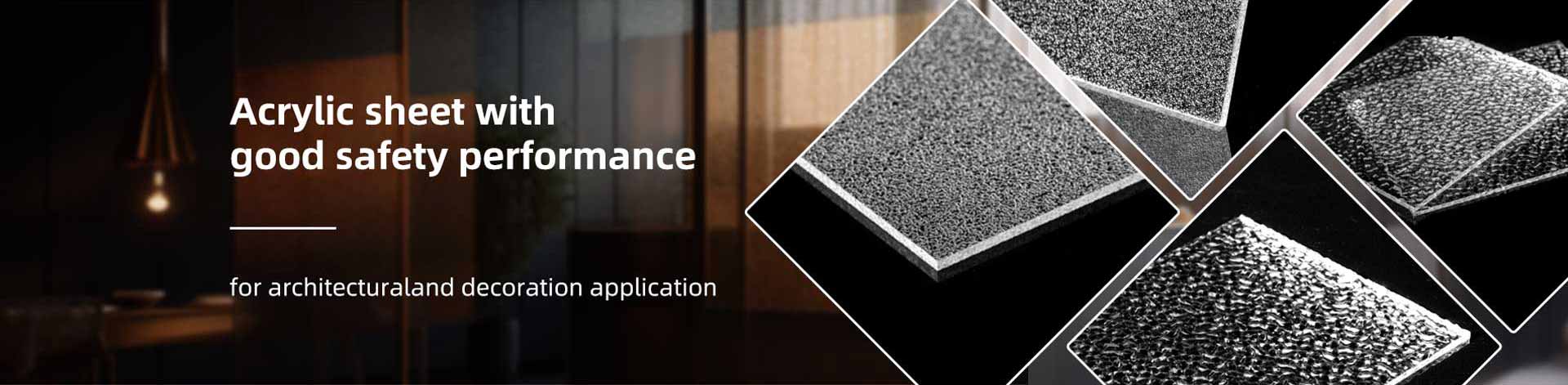
Clear, frosted, matte, textured, and optical-grade acrylic sheets may respond differently to adhesives. Smooth, clean surfaces bond more effectively, while textured surfaces may require additional preparation.
Surface contamination such as dust, oil, or moisture significantly reduces bond strength and must be removed before gluing.
The strength of a glued acrylic joint depends not only on adhesive type but also on joint geometry. Edge-to-edge, edge-to-face, lap joints, and corner joints experience different stress patterns.
Proper joint design helps distribute load evenly and reduces long-term stress on the acrylic sheet.
Solvent cement adhesives are the most widely used bonding method for acrylic sheets. These adhesives work by softening and chemically fusing the acrylic surfaces, creating a nearly invisible joint when done correctly.
They are suitable for:
Clear acrylic sheet bonding
Edge bonding with high optical clarity
Precision display and lighting components
Accurate application and tight fit are essential for consistent results.
Acrylic polymer adhesives cure to form a solid bonding layer between sheets. They provide good strength and are easier to control than solvent cements, especially for thicker sheets or gap-filling applications.
This option is often used when perfect edge fit is difficult to achieve.
Two-part adhesives offer high mechanical strength and are suitable for applications requiring impact resistance or load-bearing joints. However, they may leave a visible glue line and are less suitable for optical clarity requirements.
They are typically used in industrial or structural acrylic assemblies.
Clean both bonding surfaces using mild soap and water or isopropyl alcohol. Remove all dust, grease, and fingerprints. Dry completely with a lint-free cloth.
Avoid strong solvents that can damage or craze the acrylic surface.
Dry-fit the acrylic sheets before applying adhesive. Edges should align tightly with minimal gaps. Proper alignment reduces internal stress and improves bond appearance.
Use clamps, jigs, or positioning blocks to hold parts steady during bonding.
For solvent cement:
Apply adhesive sparingly along the joint using a syringe or applicator
Allow capillary action to draw the adhesive into the joint
Avoid excess adhesive, which can cause surface marks
For polymer or two-part adhesives:
Apply evenly according to manufacturer guidance
Maintain consistent adhesive thickness
Maintain steady pressure without overtightening. Excessive pressure can squeeze out adhesive or induce stress in the acrylic sheet.
Allow sufficient curing time before handling. Full bond strength may require several hours to days depending on adhesive type and ambient conditions.
Household glues, silicone sealants, or instant adhesives are generally unsuitable for acrylic sheets. They often provide poor strength, visible glue lines, or long-term failure.
Too much clamping force can cause stress cracking, edge whitening, or deformation. Acrylic bonds rely on surface fusion, not compression strength.
Temperature and humidity affect adhesive performance. Bonding should be performed in a clean, stable environment to ensure consistent curing.
Optical and Decorative Acrylic Sheets require extra care to preserve surface clarity and appearance. Adhesives that cause haze, bubbles, or visible seams should be avoided.
High-quality acrylic sheets with stable material formulation and smooth edge finishing bond more consistently and reduce the risk of defects during gluing.
Kunxin Plastics manufactures acrylic sheets designed with uniform surface quality, stable internal stress control, and reliable processing behavior, which supports consistent bonding performance in display, lighting, and decorative applications.
For production or repeated assembly, consider:
Edge polishing before bonding
Controlled adhesive dispensing
Dedicated fixtures for alignment
Standardized curing procedures
These practices improve repeatability and reduce rejection rates.
Gluing acrylic sheet successfully depends on choosing the right adhesive, preparing surfaces correctly, and controlling application conditions. Solvent cement adhesives are ideal for clear, seamless bonds, while polymer and two-part adhesives serve specific structural or gap-filling needs.
By following proper bonding techniques and using high-quality acrylic sheets, manufacturers and fabricators can achieve strong, clean, and durable joints suitable for a wide range of applications. Proper material selection and disciplined process control are the foundation of reliable acrylic sheet bonding results.