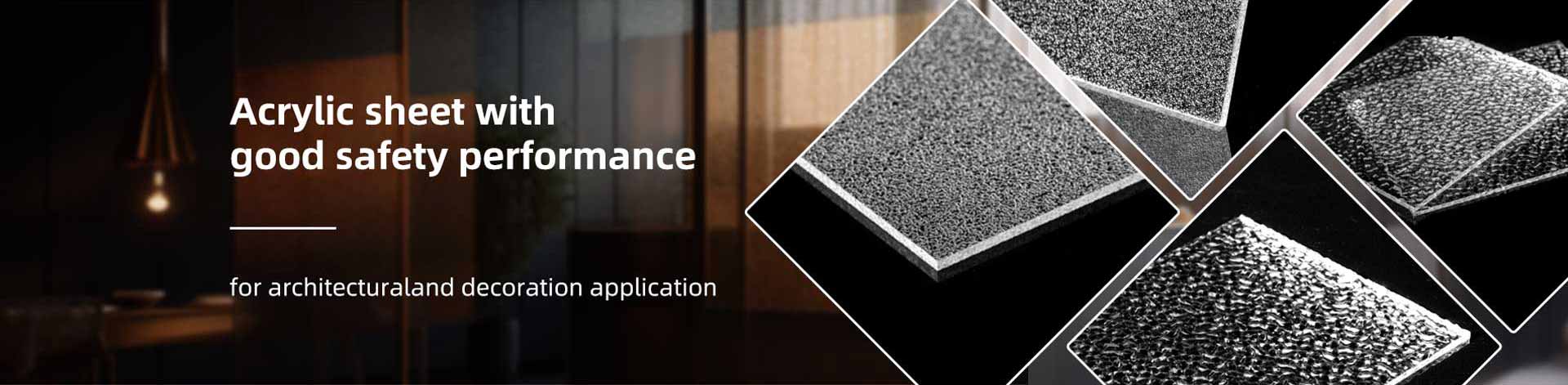
Mounting acrylic sheet on a wall is common in architectural decoration, signage systems, lighting panels, retail displays, and interior partitions. While the installation itself appears straightforward, long-term performance depends heavily on material stability, thickness selection, fixing method, and structural planning.
From a manufacturer’s and decision advisor’s perspective, successful wall mounting begins with choosing acrylic sheet engineered for dimensional stability, internal stress control, and consistent thickness across bulk production.
Kunxin Plastics manufactures acrylic sheet designed for architectural and display applications, supporting OEM customization and stable bulk supply for project-based installations.
Step 1: Choose the Correct Mounting Method
There are three primary installation approaches depending on application:
1. Screw Fixing With Stand-Offs
This is commonly used for:
Signage panels
Decorative wall elements
Information boards
Procedure:
Drill mounting holes with proper edge distance
Use plastic-compatible screws
Install stand-off hardware
Avoid over-tightening
Advantages:
Secure mechanical anchoring
Easy panel replacement
Ventilation gap behind sheet
This method requires stress-controlled acrylic to prevent cracking around hole edges.
2. Adhesive Mounting
Suitable for:
Lightweight decorative panels
Interior partitions
Backlit panels
Use neutral, acrylic-compatible adhesive. Ensure:
Wall surface is clean and level
Adhesive is evenly distributed
Expansion allowance is considered
Improper adhesive selection may cause chemical stress cracking.
3. Frame or Channel System
Used in:
Large architectural panels
Illuminated wall systems
Retail display installations
Metal or aluminum channels hold the acrylic sheet along the edges, allowing for:
Thermal expansion
Easy removal
Structural support for larger sizes
Frame systems reduce direct stress concentration and improve long-term stability.
Material Selection Matters for Wall Mounting
Wall-mounted acrylic sheets are exposed to:
Temperature changes
Humidity variation
Mechanical tension from fastening
Surface cleaning cycles
Light exposure
Poor-quality sheets may exhibit:
Warping
Stress cracking near screw holes
Surface crazing
Uneven expansion
Sheets manufactured with controlled cooling and internal stress management perform more reliably under mounting pressure.
Manufacturing Process Overview and Structural Stability
Acrylic sheet stability begins during production.
A disciplined manufacturing process includes:
High-purity PMMA raw material control
Temperature-regulated extrusion or casting
Gradual cooling to minimize internal stress
Thickness tolerance monitoring
Surface flatness inspection
Protective film application
Stable thickness and low internal stress reduce cracking risk during drilling and mounting.
Manufacturing precision directly impacts installation reliability.
Quality Control Checkpoints Relevant to Mounting
For architectural and display applications, evaluate:
Thickness tolerance consistency
Flatness stability
Internal stress testing
Edge crack resistance
Surface scratch resistance
Sheets engineered for mounting applications should maintain structural integrity under fastening pressure.
Structured quality inspection ensures predictable performance across bulk orders.
Manufacturer vs Trader: Installation Consistency Across Projects
When acrylic sheets are sourced through traders, production origin may vary by batch, leading to:
Thickness variation
Warping inconsistency
Drilling crack risk differences
Surface finish deviation
For multi-site projects, inconsistency increases installation time and adjustment labor.
Working directly with a manufacturer ensures:
Stable formulation
Controlled production parameters
Repeatable machining behavior
Consistent bulk supply for phased projects
Batch stability is critical for architectural installations.
OEM / ODM Customization for Wall Applications
Projects often require customized specifications:
Pre-drilled mounting holes
Specific thickness
Frosted or textured surfaces
UV-resistant formulation
Custom-cut dimensions
OEM process typically includes:
Technical requirement analysis
Sample approval
Installation simulation testing
Parameter locking for mass production
ODM capability allows adaptation of standard platforms for lighting, decorative, or signage systems.
Controlled customization reduces onsite modification risk.
Bulk Supply Considerations
For large installations, confirm:
Thickness uniformity across shipment
Protective packaging for transport
Stable lead times
Surface protection film integrity
Technical documentation availability
Inconsistent panels increase labor cost during installation.
Reliable bulk supply ensures project schedule stability.
Material Standards Used
High-quality acrylic sheets for wall mounting applications emphasize:
Optical-grade PMMA
UV resistance
Thermal expansion stability
Impact resistance
Surface hardness control
Material standard discipline protects long-term appearance and structural safety.
Export Market Compliance
For international architectural projects, acrylic sheet supply should support:
Material safety documentation
Dimensional tolerance reporting
Batch traceability
Packaging standards for long-distance shipment
Application-specific compliance requirements
Stable documentation supports inspection and approval in regulated markets.
Strategic Perspective
Mounting acrylic sheet on a wall is not only an installation task. It is a material and engineering decision. Selecting sheets manufactured with controlled internal stress, consistent thickness, and stable optical properties reduces cracking risk, improves visual consistency, and lowers lifecycle maintenance cost.
Proper mounting method selection combined with reliable material supply ensures predictable performance in decorative, signage, and architectural applications.
Conclusion
To mount acrylic sheet on a wall, choose the appropriate method — screw fixing, adhesive bonding, or frame systems — based on size, weight, and environment. Proper drilling technique and expansion allowance are critical.
Long-term installation stability depends on the manufacturing precision of the acrylic sheet itself. By sourcing from a manufacturer with structured production control, strict quality inspection checkpoints, and reliable bulk supply capability, project buyers can achieve consistent, durable wall installations across large-scale applications.