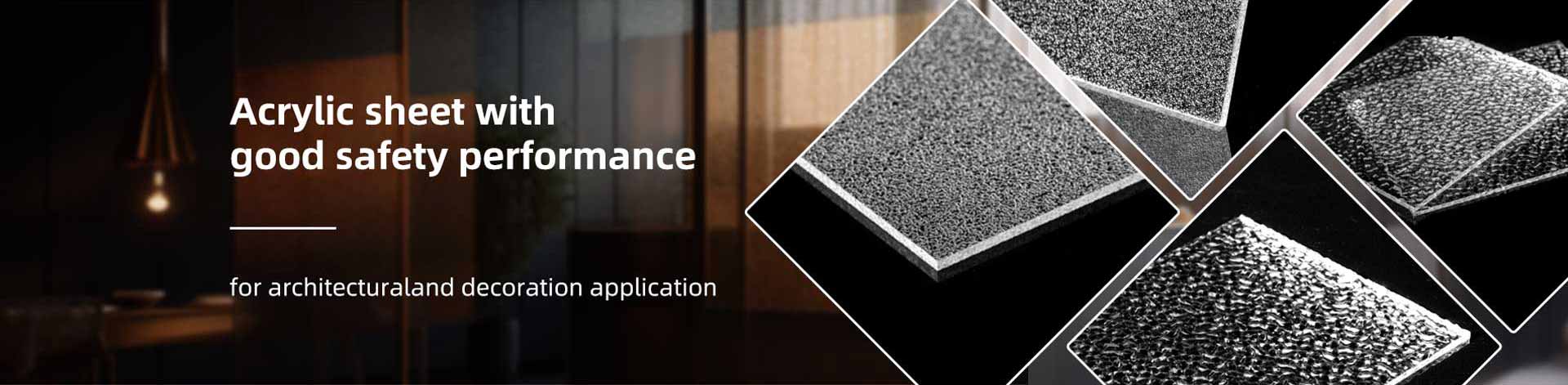
Painting acrylic sheet is a common requirement in signage, display systems, decorative panels, architectural elements, and lighting applications. While acrylic offers excellent optical clarity and surface smoothness, achieving durable paint adhesion requires correct preparation and compatible coating systems.
From a manufacturer’s and decision advisor’s perspective, successful painting depends not only on surface technique but also on material quality, internal stress control, and surface consistency. acrylic sheets engineered for fabrication and finishing deliver more predictable coating results across bulk production runs.
Kunxin Plastics manufactures acrylic sheet designed for stable machining, uniform thickness, and surface consistency, supporting OEM customization and large-scale project supply.
Step 1: Confirm Surface Type
Before painting, determine whether the sheet is:
Gloss surface
Matte or textured surface
Protective-film covered
Remove any protective film before processing. If the surface is extremely smooth, light surface preparation is necessary to promote adhesion.
Step 2: Clean the Surface Thoroughly
Dust, oil, and static particles reduce paint bonding strength.
Cleaning procedure:
Use lint-free cloth
Apply mild detergent solution or appropriate cleaner
Avoid harsh solvents that may cause surface crazing
Dry completely before painting
Contamination during cleaning is one of the main causes of uneven coating.
Step 3: Light Surface Sanding
For glossy acrylic:
Use fine grit sandpaper (800–1000 grit)
Sand lightly to create micro-roughness
Clean dust residue afterward
Excessive sanding may cause visible haze or stress marks. Controlled, uniform abrasion improves paint adhesion without compromising appearance.
Material stability plays a role here. Sheets with uneven internal stress may show whitening during sanding.
Step 4: Apply Compatible Primer
Acrylic-compatible primer improves bonding.
Use primer designed for plastic substrates
Apply thin, even layer
Allow full curing before paint application
Skipping primer increases the risk of peeling, especially in high-contact environments.
Step 5: Apply Paint in Thin Layers
Best practices include:
Use spray application for uniform coverage
Apply multiple thin coats instead of one heavy coat
Maintain consistent distance during spraying
Allow adequate drying time between coats
Heavy coats increase solvent concentration on the surface, which may soften acrylic or cause blistering.
Step 6: Controlled Drying and Curing
Allow paint to cure under stable temperature conditions.
Avoid:
Direct high heat
Excess humidity
Rapid forced drying
Gradual curing improves adhesion strength and finish durability.
Why Material Quality Influences Painting Results
Acrylic sheets manufactured without proper stress control may show:
Surface crazing after solvent contact
Paint blistering
Uneven adhesion
Warping under temperature variation
Sheets produced under controlled extrusion or casting parameters with gradual cooling exhibit better chemical resistance during painting.
Manufacturing consistency ensures predictable coating behavior across bulk shipments.
Manufacturing Process Overview and Surface Stability
High-quality acrylic sheet production includes:
High-purity PMMA raw material selection
Temperature-regulated extrusion or casting
Controlled cooling to minimize internal stress
Thickness tolerance monitoring
Surface flatness inspection
Protective film application
Uniform surface energy and internal stress balance are critical for paint adhesion stability.
Process control at the manufacturing stage reduces downstream finishing issues.
Quality Control Checkpoints Relevant to Painting
For projects requiring painted acrylic, evaluate:
Surface smoothness consistency
Internal stress testing
Thickness tolerance uniformity
Scratch resistance
Chemical compatibility documentation
Structured inspection reduces variability in painting outcomes across batches.
Manufacturer vs Trader: Batch Stability Considerations
When acrylic sheets are sourced through traders from multiple upstream sources, surface quality may vary between shipments.
Possible inconsistencies include:
Slight texture differences
Thickness fluctuation
Stress variation
Surface contamination during storage
For large decorative or branding projects, inconsistent paint adhesion can lead to rework and installation delays.
Working directly with a manufacturer provides:
Stable formulation
Controlled production environment
Repeatable surface characteristics
Consistent bulk supply
Coating performance consistency depends on manufacturing discipline.
OEM / ODM Customization for Painted Applications
Projects may require:
Pre-cut panels
Specific thickness
Surface pre-treatment
Custom packaging
Color matching coordination
An OEM process includes:
Technical requirement confirmation
Surface compatibility validation
Sample approval
Locked production parameters for mass replication
ODM solutions allow adaptation of standard acrylic platforms for decorative or branding applications.
Controlled customization reduces finishing variability.
Bulk Supply Considerations
For large painting projects, confirm:
Thickness consistency
Surface defect rate control
Protective packaging quality
Stable lead times
Technical support documentation
Predictable material performance lowers coating labor cost and scrap rate.
Material Standards Used
High-quality acrylic sheets for painting applications emphasize:
Optical-grade PMMA
Surface hardness control
Thermal stability
UV resistance
Controlled impact resistance
Material discipline ensures long-term finish durability.
Export Market Compliance
For international decorative projects, acrylic supply should support:
Material safety documentation
Dimensional tolerance reporting
Batch traceability
Packaging standards suitable for global transport
Reliable documentation supports project approval and regulated market entry.
Strategic Perspective
Painting acrylic sheet is not just a finishing step. It is a coordinated interaction between surface preparation, coating chemistry, and material stability.
Selecting acrylic manufactured with strict process control reduces the risk of adhesion failure, cracking, and finish inconsistency — especially in bulk production environments.
Conclusion
To paint acrylic sheet successfully, clean the surface thoroughly, lightly sand if necessary, apply compatible primer, use thin paint layers, and allow controlled curing.
Long-term paint performance depends heavily on internal stress control, surface consistency, and manufacturing precision. By sourcing from a manufacturer with structured production control, disciplined quality inspection, and stable bulk supply capability, project buyers can achieve durable, consistent painted acrylic applications across large-scale installations.