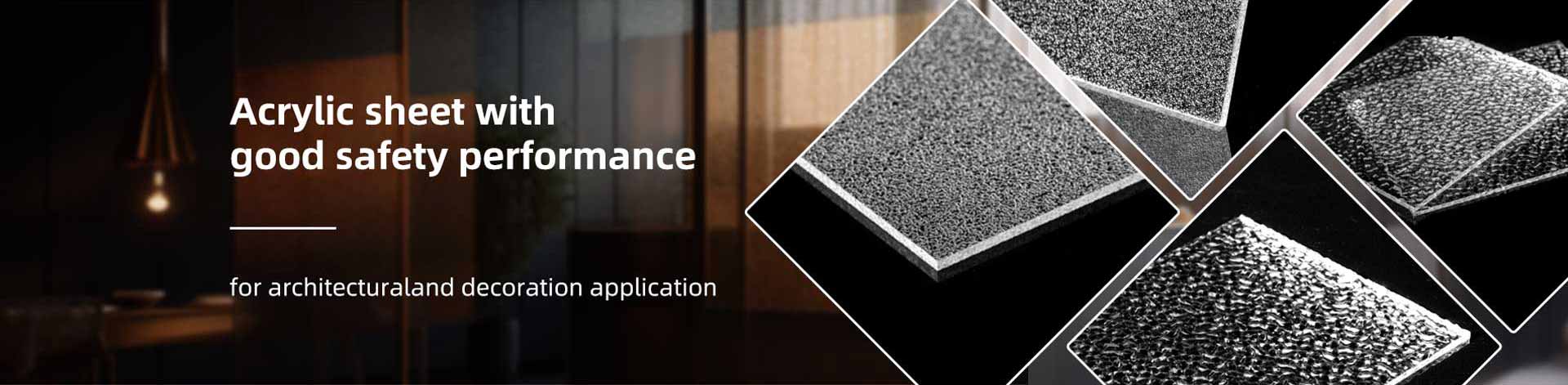
acrylic sheets are valued for their clarity, light weight, and impact resistance and are widely used in lighting diffusers, architectural panels, displays, and protective barriers. Like all transparent plastics, acrylic (also known as PMMA) can develop surface scratches during handling, cutting, or installation. Fortunately, many scratches — especially light or moderate ones — can be reduced or removed through controlled polishing and finishing techniques.
As a manufacturer specializing in high-quality acrylic and polycarbonate sheets, Jiangmen Kunxin New Material Technology Co., Ltd. produces optical acrylic sheets, diffuser plates, textured panels, and high-clarity PMMA products engineered for demanding applications. The following guidance combines practical scratch removal techniques with manufacturing and sourcing insight that is relevant for buyers handling acrylic sheet projects.
Before attempting scratch removal, it’s important to assess the depth of the scratch:
Light scratches — visible but not felt when running a fingernail over them. These can usually be polished out with mild abrasives and polishing compounds.
Moderate scratches — slightly deeper and felt with a nail; require progressive sanding and polishing.
Deep scratches — significant surface damage; may not be fully removed without material loss. Sometimes replacement is more practical than repair.
Check the surface by lightly running a fingernail over the scratched area. If it catches, the scratch is moderate or deeper.
Start with a soft microfiber cloth and mild soap-and-water solution to remove dirt or debris that could cause further scratching. Avoid harsh chemicals that may haze the acrylic.
For deeper marks, begin with medium grit sandpaper (e.g., 800 or 600 grit) under water lubrication. Sand gently in circular motions, reducing grit size gradually (1200 grit or finer) to smooth the surface.
After sanding, use a specialized acrylic or plastic polish applied with a soft cloth or buffing pad. This step restores clarity and shine by removing micro-abrasions.
For a high-clarity surface, finish with a fine abrasive compound or polishing paste and final buffing with a clean cloth. Rapid mechanical buffing should be done carefully to avoid heat distortion.
When sourcing acrylic sheets, choosing a manufacturer instead of a trader has significant advantages for scratch management and surface quality:
Material consistency: Manufacturers control resin quality, optical clarity, and thickness tolerance, reducing the likelihood of initial surface imperfections.
Surface finish quality: Sheets produced in dust-free, computer-controlled extrusion lines have regulated surface characteristics that polish more predictably.
Technical advice: A producer with deep manufacturing expertise can recommend appropriate polishing techniques based on sheet type (diffuser, textured, optical), thickness, and end-use environment.
Traders may supply products lacking documented surface quality standards or usage guidance, making on-site repair more challenging.
For projects requiring custom acrylic sheet specifications — such as thickness, texture, optical diffusion, or patterning — a structured OEM / ODM process ensures that sheets meet both appearance and functional requirements:
Specification definition: Agree on required optical clarity, thickness, and surface texture.
Tooling and prototype review: Produce sample panels for inspection and testing.
Performance validation: Test polishing and finishing behavior, particularly if sheets will be subject to handling or assembly abrasion.
Pre-production approval: Confirm final specifications before bulk production.
Early involvement of the sheet manufacturer reduces the risk of surface damage and ensures polishability.
When ordering acrylic sheets in volume for architectural, lighting, or display applications, procurement teams should include the following in their sourcing checklist:
Surface finish grade: Specify whether sheets require high optical clarity or textured finishes that resist scratch visibility.
Batch consistency: Confirm that all sheets in a bulk order have uniform thickness, surface quality, and masking protection during transport.
Protective film: Request factory-applied masking films to minimize abrasion during handling and installation.
Post-delivery support: Ensure technical guidance on polishing and scratch mitigation is available.
These considerations help minimize handling damage and reduce on-site repair effort.
High-quality acrylic sheet production involves:
Precision co-extrusion or cast processing to achieve consistent thickness.
Controlled calendaring and cooling in dust-free environments to prevent surface defects.
Application of removable masking film to protect the surface during transport and installation.
Rigorous optical inspection prior to shipment.
A disciplined manufacturing process reduces the incidence of scratch-like blemishes upon delivery.
To ensure surface quality, manufacturers implement:
Visual inspection for surface clarity and micro-defects.
Thickness tolerance measurement.
Film adhesion and removal testing.
Optical transmission and diffusion performance validation.
Packaging and protection validation to avoid transport abrasion.
These checkpoints enhance the ability to maintain pristine surface quality and support post-delivery polishing if needed.
Kunxin’s acrylic sheets are produced from virgin PMMA resins using advanced co-extrusion and calendaring systems to deliver:
High optical clarity
UV stability
Uniform surface finish
Biodurable surfaces suitable for polishing
Selecting superior material standards improves both performance and post-scratch repair outcomes.
Acrylic sheet suppliers serving global markets must align with international quality and export standards such as:
ISO9001 quality management systems
Regulatory documentation for raw materials
Packaging protection protocols for international transport
Traceable batch and performance certification
Compliance documentation helps reduce customs delays and supports project approvals in diverse markets.
While acrylic sheets may accumulate scratches during handling or installation, many surface blemishes can be mitigated or removed through careful sanding and polishing using progressively finer abrasives and specialized acrylic polish compounds. The success of these techniques depends on the depth of the scratch, the quality of the sheet surface, and the handling procedures used before and after installation.
Working directly with a professional acrylic sheet manufacturer that controls material standards, production processes, and quality checkpoints — and that supports structured OEM / ODM customization — gives project buyers confidence that their sheets will both meet functional demands and respond predictably to surface restoration efforts.