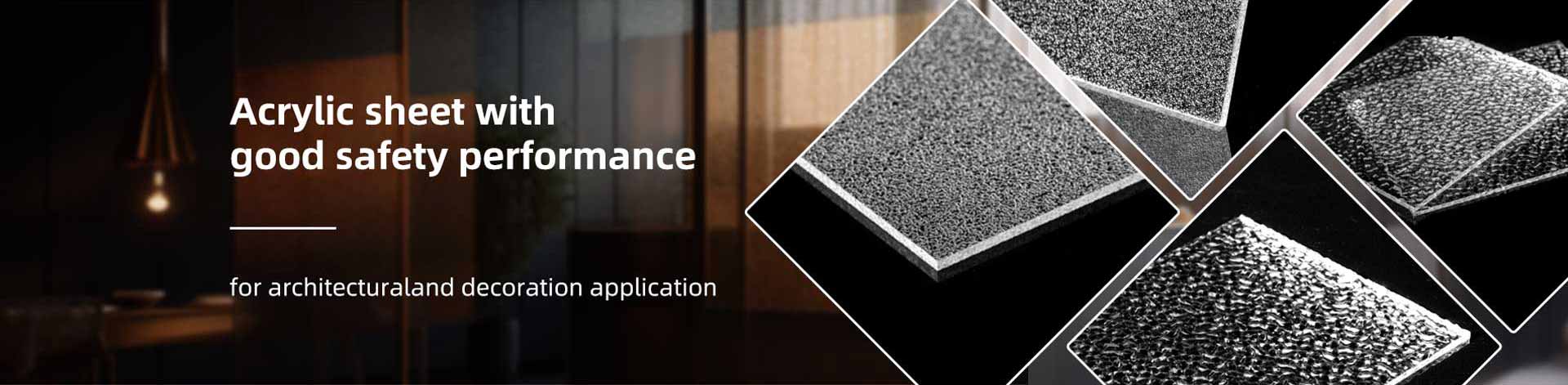
Acrylic sheet, also known as PMMA (polymethyl methacrylate), is widely used in architectural glazing, lighting diffusers, signage, protective panels, and display systems due to its high transparency, lightweight properties, and impact resistance. However, when evaluating acrylic for construction or industrial use, one critical question arises:
Is acrylic sheet fire resistant?
The short answer is: Standard acrylic sheet is not fire resistant, but it is available in flame-retardant grades depending on formulation and manufacturing control.
As a professional acrylic sheet manufacturer, Kunxin Plastics produces high-quality PMMA sheets engineered for optical performance, structural consistency, and export compliance. Understanding the fire characteristics of acrylic sheet requires examining material behavior, production standards, and regulatory classifications.
Standard PMMA acrylic sheet:
Is combustible
Has a relatively high ignition temperature compared to some plastics
Burns with a clear flame
Drips when exposed to high heat
Produces limited smoke compared to certain thermoplastics
While acrylic does not self-extinguish like some engineered plastics, it burns more cleanly than materials such as polycarbonate or PVC in certain conditions.
It is important to note that “fire resistant” does not mean “fireproof.” Acrylic, like most organic plastics, will ignite under sufficient heat exposure.
For projects requiring enhanced fire performance, flame-retardant acrylic grades can be produced by incorporating special additives into the PMMA formulation.
Flame-retardant variants may offer:
Improved ignition resistance
Slower flame spread
Reduced heat release rate
Compliance with specific building standards
These specialized grades are typically developed through controlled OEM/ODM production processes to meet regional fire safety classifications.
When discussing fire resistance, compliance standards are essential. acrylic sheets may be tested under frameworks such as:
UL 94 vertical burn classifications
EN 13501 European reaction-to-fire standards
ASTM E84 surface burning characteristics
Export-oriented projects must specify required fire ratings during sourcing.
Working directly with a manufacturer allows customization and documentation aligned with destination market requirements.
Fire performance depends on formulation consistency.
A manufacturer controls:
PMMA resin selection
Flame-retardant additive ratios
Extrusion temperature regulation
Internal stress management
Thickness consistency
Compliance testing
A trader typically resells standard sheets and may not have visibility into flame-retardant formulation or certification validity.
Kunxin Plastics operates controlled extrusion systems and maintains material traceability, enabling better alignment with project fire performance requirements.
For architectural or industrial applications requiring flame-retardant acrylic, a structured OEM / ODM process includes:
Defining required fire classification
Selecting appropriate resin formulation
Producing prototype samples
Conducting flame spread and smoke tests
Reviewing certification documentation
Approving mass production
Early technical alignment ensures compliance without compromising optical or mechanical properties.
High-quality acrylic sheet production includes:
Virgin PMMA raw material preparation
Controlled extrusion or casting
Uniform cooling to reduce internal stress
Surface finishing and inspection
Protective masking application
Dimensional verification
For flame-retardant grades, formulation blending and additive dispersion are critical stages requiring precision control.
Professional acrylic manufacturers implement fire-related quality checkpoints such as:
Material batch verification
Thickness tolerance measurement
Surface uniformity inspection
Flame test validation (where applicable)
Certification documentation review
Batch traceability tracking
These checkpoints ensure consistent fire behavior across production runs.
Premium acrylic sheets are typically manufactured from high-grade PMMA resin with:
High light transmission
UV stability
Stable thermal expansion
Uniform density
Flame-retardant versions incorporate certified additives while maintaining optical clarity and mechanical strength.
Material standards directly influence fire classification outcomes.
For large projects requiring fire compliance, buyers should verify:
Fire rating certification
Regional compliance documentation
Thickness and density consistency
Long-term availability of specified grade
Protective packaging for export
Consistency across bulk shipments is essential for building code approval.
Export-oriented projects must align with regional fire regulations and building standards. Acrylic sheet suppliers serving international markets must provide:
Fire test reports
Compliance documentation
ISO quality management records
Environmental compliance certification
Traceable production batches
Reliable documentation simplifies project approval and customs clearance.
Standard acrylic sheet is combustible and not inherently fire resistant. However, flame-retardant acrylic grades can be manufactured to meet specific regulatory standards when properly formulated and tested.
For architectural, industrial, or export projects where fire classification is required, partnering directly with a professional acrylic sheet manufacturer that controls raw materials, production processes, quality checkpoints, and certification documentation ensures reliable compliance and consistent performance.
Previous: Is Acrylic Sheet Scratch Resistant