Drilling acrylic sheet requires careful tool selection to prevent cracking, chipping, or melting of the material. Acrylic, also known as PMMA, is strong and transparent but more brittle than many plastics. Using the wrong drill bit or incorrect drilling method can cause fractures around the hole edge or create surface damage that affects both appearance and structural performance.
For manufacturers and project buyers sourcing acrylic materials for fabrication, understanding the proper drilling tools and techniques is essential for achieving clean results and maintaining production efficiency.
Recommended Drill Bit Types For Acrylic Sheet
The most suitable drill bits for acrylic sheets are those designed to reduce cutting pressure and heat buildup. The following drill bit types are commonly used in acrylic machining.
Modified Twist Drill Bit
A modified twist drill bit is one of the most widely used tools for drilling acrylic sheets. Unlike standard metal drill bits, the cutting angle of the bit is adjusted to reduce aggressive cutting.
Typical modifications include a smaller rake angle and a larger clearance angle. This design prevents the bit from grabbing the material and helps avoid cracks around the hole.
Modified twist drill bits are widely used for drilling acrylic sheets with thicknesses ranging from 2 millimeters to 10 millimeters, making them suitable for lighting panels, signage components, and decorative acrylic panels.
Plastic-Specific Drill Bit
Plastic drill bits are designed specifically for thermoplastic materials such as acrylic, polycarbonate, and PVC. These bits usually feature a sharp point and smooth cutting edges that allow gradual material removal.
The geometry of plastic drill bits reduces heat generation and prevents melting along the drilling path. This makes them suitable for high-clarity acrylic panels used in lighting diffusers or transparent protective shields.
Step Drill Bit
Step drill bits are commonly used when drilling thin acrylic sheets. Their stepped cutting structure gradually enlarges the hole diameter without placing sudden stress on the material.
This method reduces the risk of cracking and helps produce smooth hole edges. Step drill bits are often used in sheet fabrication workshops where acrylic panels require multiple hole sizes.
Brad Point Drill Bit
Brad point drill bits can also be effective when drilling acrylic sheet. The center tip stabilizes the drilling position and prevents the bit from sliding across the smooth acrylic surface.
This type of bit is often used for precise hole placement in acrylic components that require high dimensional accuracy.
Drill Bit Angle And Geometry Considerations
Standard metal drill bits typically have a point angle of about 118 degrees. While this works for metals, acrylic sheets often benefit from a different geometry.
Many plastic machining specialists recommend drill bits with a point angle between 60 and 90 degrees for acrylic materials. This shallower angle allows the bit to cut gradually instead of forcing the material apart.
The rake angle is also important. A lower rake angle helps prevent the drill from grabbing the acrylic sheet, which can cause cracks or sudden breakage.
When drilling thicker acrylic sheets, maintaining smooth chip removal is critical. Proper drill geometry helps ensure that acrylic chips exit the hole without melting or sticking to the cutting edge.
Drilling Techniques To Prevent Acrylic Damage
Selecting the correct drill bit is only part of the process. Proper drilling techniques are equally important for maintaining acrylic sheet quality.
Several practical guidelines are commonly used in acrylic machining:
Use moderate drilling speed to prevent excessive heat buildup
Apply light and consistent pressure during drilling
Place a backing board beneath the acrylic sheet to prevent breakout damage
Remove protective film only after machining is completed
Clear chips regularly to prevent melting along the hole edge
Acrylic sheet typically softens at temperatures above 90 degrees Celsius. Excessive drilling speed can raise the local temperature and cause the material to melt or stick to the drill bit.
Careful control of speed and feed rate helps maintain clean edges and prevents surface damage.
Manufacturing Process Overview For Acrylic Sheets
Understanding how acrylic sheets are produced can also help explain their drilling behavior.
Acrylic sheets are generally manufactured using two primary processes: extrusion and casting.
Extruded acrylic sheets are produced through continuous extrusion of molten PMMA pellets. These sheets offer consistent thickness and are widely used in large-scale industrial production.
Cast acrylic sheets are produced by polymerizing liquid monomer between molds. This process often produces higher molecular weight material with improved optical clarity.
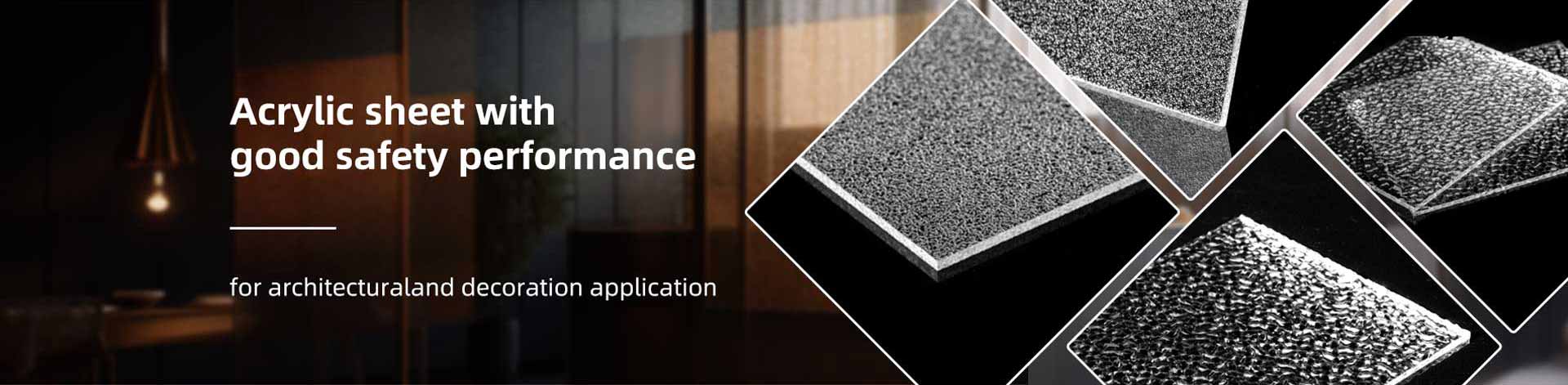
Manufacturers such as Kunxin Plastics supply multiple acrylic sheet types including optical PMMA sheets, Acrylic Diffuser Plates, and textured acrylic panels used in lighting systems and architectural components.
Because different production methods create different internal structures, drilling performance may vary slightly between sheet types.
Quality Control Checkpoints For Machining Acrylic Sheets
Reliable acrylic sheet manufacturers typically implement several quality control procedures to ensure machining compatibility.
These checkpoints may include:
Verification of PMMA raw material purity
Surface inspection for bubbles or impurities
Thickness tolerance measurement
Mechanical property testing such as tensile strength and bending strength
Optical performance verification including light transmission and haze values
High-quality acrylic sheets typically provide light transmission near 90 percent and tensile strength exceeding 60 megapascals. These properties contribute to consistent drilling performance during fabrication.
Stable material structure helps prevent cracking during machining operations.
Bulk Supply Considerations For Fabrication Projects
For large manufacturing projects that require drilled acrylic components, bulk material consistency is critical.
Fabrication efficiency depends on predictable machining performance. Variations in sheet hardness, internal stress, or thickness tolerance can lead to inconsistent drilling results.
When sourcing acrylic sheets for mass production, buyers often evaluate the following factors:
Material grade consistency across batches
Thickness tolerance and dimensional stability
Surface protection film quality
Compatibility with CNC machining and laser cutting
Availability of cut-to-size sheet supply
Manufacturers capable of providing stable batch production can significantly reduce machining errors during large-scale fabrication projects.
OEM And ODM Support For Acrylic Sheet Applications
Many industrial applications require acrylic sheets with customized hole patterns, mounting positions, or structural shapes.
Manufacturers with OEM and ODM capabilities can support these requirements through integrated machining services. These services often include CNC cutting, drilling, laser machining, and edge finishing.
Kunxin Plastics provides customized acrylic sheet production and machining support for lighting equipment manufacturers, architectural panel suppliers, and industrial equipment producers.
Such manufacturing capabilities allow project buyers to receive acrylic components ready for installation or assembly.
Export Market Compliance And Material Standards
Acrylic sheet products supplied to international markets must meet specific performance and quality expectations.
Export-oriented suppliers typically follow standardized testing methods used in the plastics industry. These standards evaluate parameters such as density, tensile strength, impact resistance, and thermal deformation temperature.
Consistent documentation, reliable packaging, and stable production processes help ensure that acrylic sheets arrive in good condition during long-distance shipping.
Manufacturers experienced in global supply chains can support large projects that require long-term material stability and predictable fabrication performance.
Conclusion
The best drill bits for acrylic sheets are modified twist drill bits, plastic-specific drill bits, step drill bits, and brad point drill bits. These tools reduce cutting pressure and heat buildup, helping prevent cracks and surface damage.
Equally important are proper drilling techniques such as moderate speed, controlled pressure, and the use of backing boards. These methods help maintain the clarity and structural integrity of acrylic panels.
For fabrication projects that require consistent drilling performance, sourcing high-quality acrylic sheets from an experienced manufacturer such as Kunxin Plastics can improve machining reliability and support large-scale production requirements.