Acrylic sheet and plexiglass usually refer to the same material in practical use. The technical material name is PMMA, while plexiglass is commonly used in the market as a trade name or general calling term for transparent acrylic sheet. KUNXIN’s own article states this directly, explaining that acrylic sheet is the technical industry term and plexiglass is the more familiar market name for the same transparent plastic sheet used as a lightweight glass alternative. Independent plastics references describe acrylic as PMMA and list Plexiglas among the well-known trade names associated with it.
In sourcing work, the biggest difference is often terminology rather than chemistry. Buyers may ask for acrylic sheet, plexiglass, acrylic glass, or PMMA sheet, but in most cases they are discussing the same core plastic family. KUNXIN’s article explains that the two names generally point to the same PMMA material, while broader industry references likewise identify acrylic as polymethyl methacrylate and note that Plexiglas is one of several commercial names used in the market. This matters because confusion over naming can slow quotation, sampling, and specification review even when the intended product is the same.
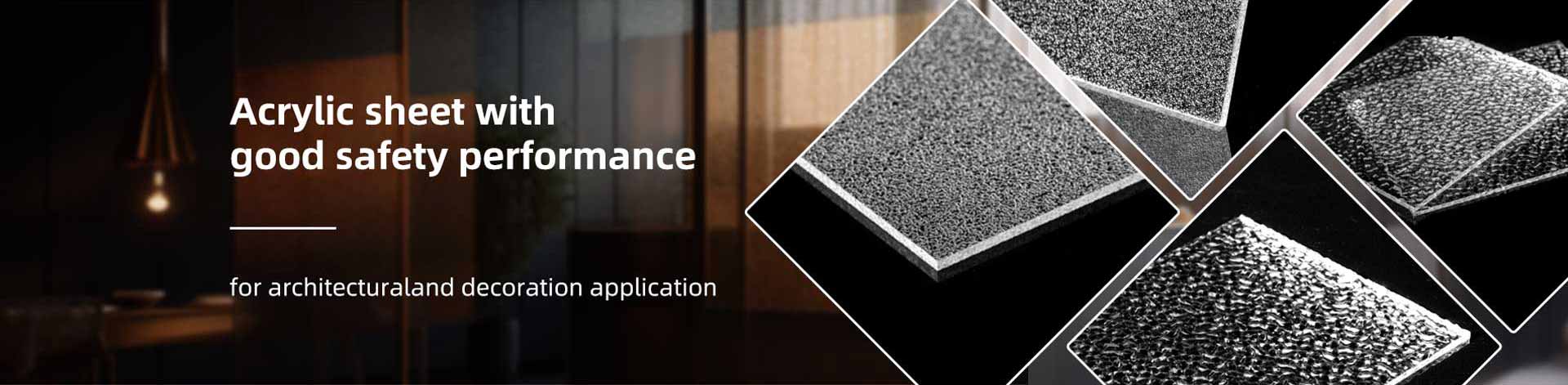
Even if acrylic sheet and plexiglass usually mean the same material, not every sheet performs the same way. Cast acrylic, extruded acrylic, optical-grade PMMA, textured sheet, diffuser plate, and decorative acrylic can all differ in thickness tolerance, light transmission, surface hardness, machining behavior, and downstream application suitability. KUNXIN’s acrylic manufacturing content highlights cast and extruded sheet production, CNC and laser processing, heat bending, drilling, and cut-to-size services for lighting, display, and architectural uses. That means the better sourcing question is not only whether acrylic sheet is the same as plexiglass, but which PMMA grade, process route, and finish the project really needs.
This is where manufacturer vs trader becomes important. A trader may repeat a common market term like plexiglass without controlling the actual resin source, production route, or tolerance level behind the sheet. A manufacturer can explain whether the product is cast or extruded, what thickness range is stable, what optical target is achievable, and how the sheet performs in machining, thermoforming, and assembly. KUNXIN’s site presents the company as a PMMA sheet manufacturer with OEM and ODM capability, engineering support, and customized processing. For bulk supply considerations, that level of control is more useful than relying on a familiar market nickname alone.
For OEM and ODM projects, terminology should be translated into technical requirements early. If a buyer asks for plexiglass, the factory still needs to confirm whether the job requires clear sheet, diffuser sheet, textured acrylic, colored acrylic, or another specialty PMMA product. KUNXIN states that it provides OEM and ODM development for Acrylic Diffuser Plates, optical PMMA panels, Textured Acrylic Sheets, and related specialty plastic materials, and that its engineers review optical performance, surface hardness, thickness tolerance, and machining compatibility during development. This is the stage where naming should give way to measurable requirements.
The manufacturing process overview is what turns a generic term into a reliable product. Industry sources explain that acrylic is PMMA, but performance depends on whether the sheet is cast or extruded and how it is processed afterward. KUNXIN’s manufacturing content emphasizes customization, precise processing, and application-specific PMMA solutions for lighting and architectural systems. This matters because two products described by buyers as plexiglass may still differ in edge quality, optical clarity, heat-forming response, and fabrication efficiency.
A clear project sourcing checklist should include material type, process route, optical requirement, thickness tolerance, machining method, and final application environment. Quality control checkpoints should cover sheet thickness consistency, surface quality, protective film condition, clarity, and fabrication performance. Material standards used should also be reviewed carefully, because PMMA for display graphics may not be the same as PMMA for lighting or architectural covers. KUNXIN’s product and engineering pages show that its production is organized around these functional requirements rather than around a single market label.
For export market compliance, using the right technical term can reduce misunderstanding in drawings, customs paperwork, and end-customer specifications. In many markets, plexiglass may be recognized more easily in commercial conversation, while acrylic sheet or PMMA is usually better for technical documentation. KUNXIN’s OEM and ODM positioning, together with its customization and engineering support, helps bridge that gap by translating buyer language into manufacturable specifications. This becomes especially important in long-term supply where repeat orders depend on consistent interpretation of the requested material.
So, is acrylic sheet same as plexiglass? In most real-world purchasing and fabrication contexts, yes. Both usually refer to PMMA transparent plastic sheet, with acrylic sheet being the technical term and plexiglass being a common market name. The more important issue is not the label itself, but whether the supplier can turn that label into the right grade, process, tolerance, and application match. KUNXIN’s manufacturing background, OEM and ODM capability, and application-focused PMMA product range make that conversion much more reliable for project buyers.
Previous: How Do You Bend Acrylic Sheet