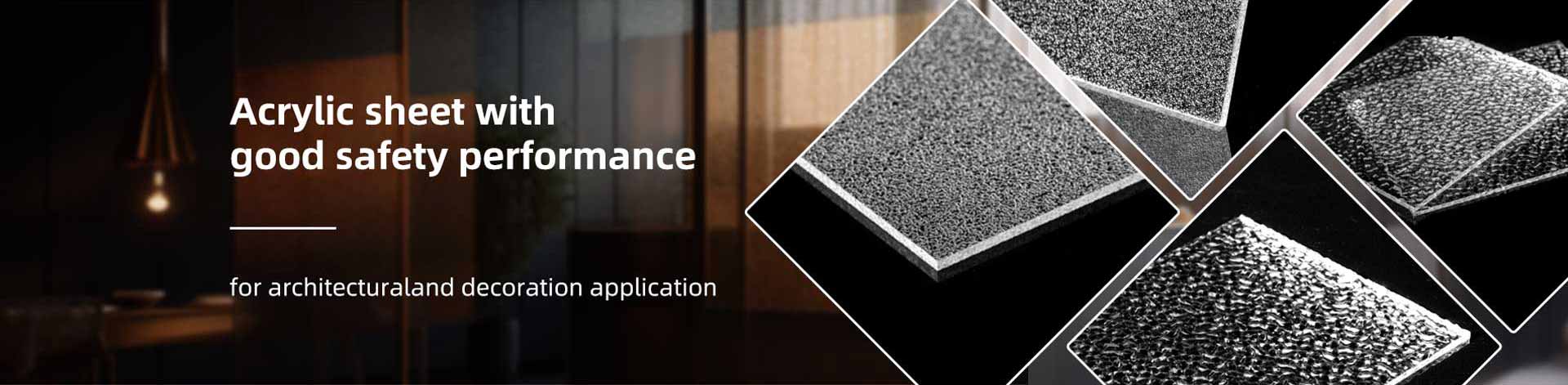
PMMA Vs PC diffuser sheet is a common material decision in lighting projects. Both materials can be used for LED panel lights, ceiling lamps and commercial lighting fixtures, but their performance focus is different. Choosing the right sheet affects brightness, glare control, impact resistance, processing stability and long-term maintenance cost.
PMMA diffuser sheet usually offers higher optical clarity. Standard clear acrylic can reach about 92% light transmission under ASTM D1003 testing, while diffuser-grade PMMA is adjusted through formula design to balance transmission and haze. It is suitable for projects that need high brightness, clean appearance and stable optical performance.
PC diffuser sheet is stronger in impact resistance. According to common engineering plastic data, polycarbonate impact strength can be more than 200 times stronger than glass of similar thickness. It is often used in lighting projects where safety, transportation pressure or installation risk is more important than maximum transparency.
| Item | PMMA Diffuser Sheet | PC Diffuser Sheet |
|---|---|---|
| Optical performance | Higher light transmission | Good diffusion with stronger toughness |
| Impact resistance | Good for regular indoor lighting | Better for impact-prone applications |
| Cost control | Usually more cost-friendly | Usually higher material cost |
| Processing | Easy cutting and forming | Better bending resistance |
| Common use | LED panel light, office lighting, commercial ceiling light | Public lighting, transport lighting, protective lighting cover |
For lighting projects, buying from a manufacturer is more reliable than sourcing from a trader. A trader may only match an existing sheet, but a manufacturer can adjust haze, light transmission, surface texture, thickness and color tone according to the lamp structure.
KUNXIN manufactures Optical Plastic sheets for lighting applications, including PMMA diffuser sheet, PC diffuser sheet, anti-glare diffuser sheet, Prismatic Diffuser Sheet and Light Guide Plate. Our team can review LED spacing, panel depth and brightness targets before recommending a suitable material.
A practical OEM / ODM process should begin with drawing review and sample testing. Buyers should confirm sheet size, thickness tolerance, transmission range, haze level, surface finish, cutting method and packaging requirement before bulk production.
For bulk supply considerations, consistency is more important than one perfect sample. Stable extrusion, controlled raw material selection and batch inspection help reduce color difference, visible LED dots and assembly problems during repeated orders.
During manufacturing, quality control should cover raw material inspection, formula mixing, extrusion temperature, sheet flatness, thickness tolerance, optical testing and final packaging. ASTM D1003 is commonly used to test haze and luminous transmittance for transparent plastic materials.
For export market compliance, buyers should also check material safety documents, packaging strength, labeling requirements and shipment protection. This helps keep sourcing smoother for Europe, North America and other overseas lighting markets.
Choose PMMA diffuser sheet when the project needs higher brightness, clean optical appearance and better cost control. Choose PC diffuser sheet when the lighting fixture requires stronger impact resistance, safer installation and better toughness. For stable project sourcing, working with an optical plastic manufacturer helps control material performance from sample development to bulk order delivery.