UGR 19 Vs UGR 16 is mainly about glare control level. UGR means Unified Glare Rating, a method used in indoor lighting design to evaluate discomfort glare. A lower UGR value shows better glare control. In many office lighting projects, UGR below 19 is commonly used as a comfortable target, while UGR 16 is stricter and often required for spaces with higher visual comfort needs.
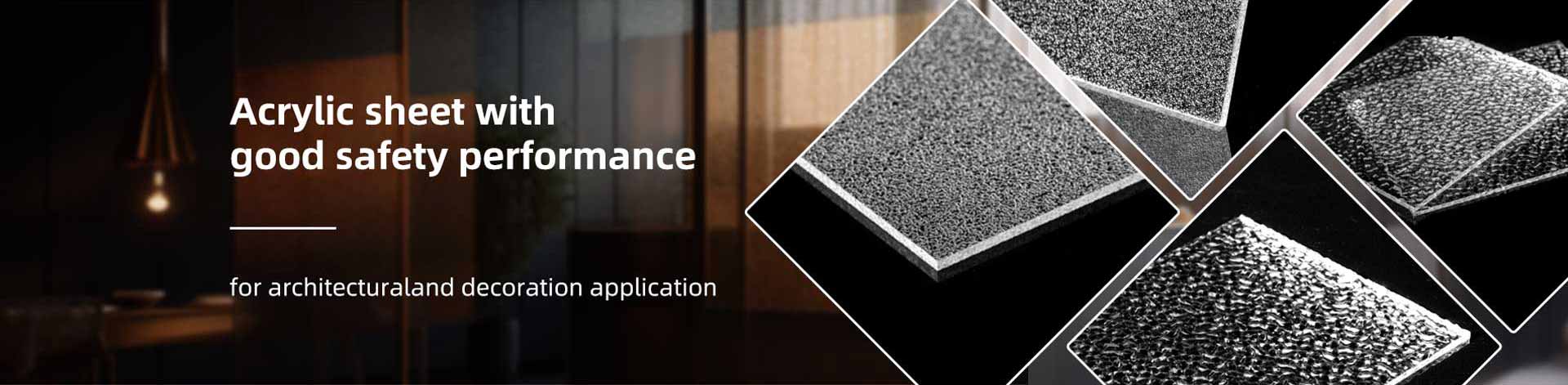
For LED panel lights, UGR is affected by diffuser sheet, prismatic structure, fixture depth, LED layout, brightness and installation position. A standard clear sheet cannot solve glare alone. PMMA can reach about 92% light transmission under ASTM D1003 testing, but anti-glare diffuser sheet needs controlled haze, surface texture and light distribution.
| Item | UGR 19 | UGR 16 |
|---|---|---|
| Glare level | Comfortable for general office use | Stronger glare control |
| Optical design | Easier to achieve | Requires stricter material matching |
| Light output | Less brightness loss | May need better optical balance |
| Common use | Office, school, commercial lighting | Meeting room, classroom, precision work area |
A trader may only provide standard diffuser sheets, but UGR control requires optical matching. A manufacturer can adjust haze, light transmission, prism angle, surface texture, thickness and cutting size according to the fixture design.
KUNXIN manufactures Optical Plastic materials for LED lighting, including anti-glare diffuser sheet, acrylic diffuser sheet, Prismatic Diffuser Sheet, PC diffuser sheet and Light Guide Plate. Our team can review LED spacing, panel depth and target UGR before sample development.
A practical OEM / ODM process should start with lighting structure review. Buyers need to confirm fixture size, LED layout, diffuser distance, target lumen output, beam requirement and target UGR. Sample testing should check glare control, light uniformity, brightness loss, surface appearance and assembly fit.
For bulk supply, the project sourcing checklist should include UGR target, haze range, transmittance range, thickness tolerance, surface defects, protective film, packaging strength and export documents.
During manufacturing, KUNXIN controls raw material selection, formula mixing, extrusion stability, prismatic texture, thickness measurement, optical testing and final inspection. Quality checkpoints include haze, luminous transmittance, glare control effect, size accuracy, flatness and batch consistency.
For export market compliance, stable batch documents, safe packaging and clear labeling help support lighting projects in Europe, North America and other overseas markets.
UGR 19 is suitable for many standard commercial lighting projects, while UGR 16 needs stronger optical control and more careful material matching. For stable anti-glare LED panel light production, choosing an optical plastic manufacturer helps control visual comfort from sample testing to bulk supply.