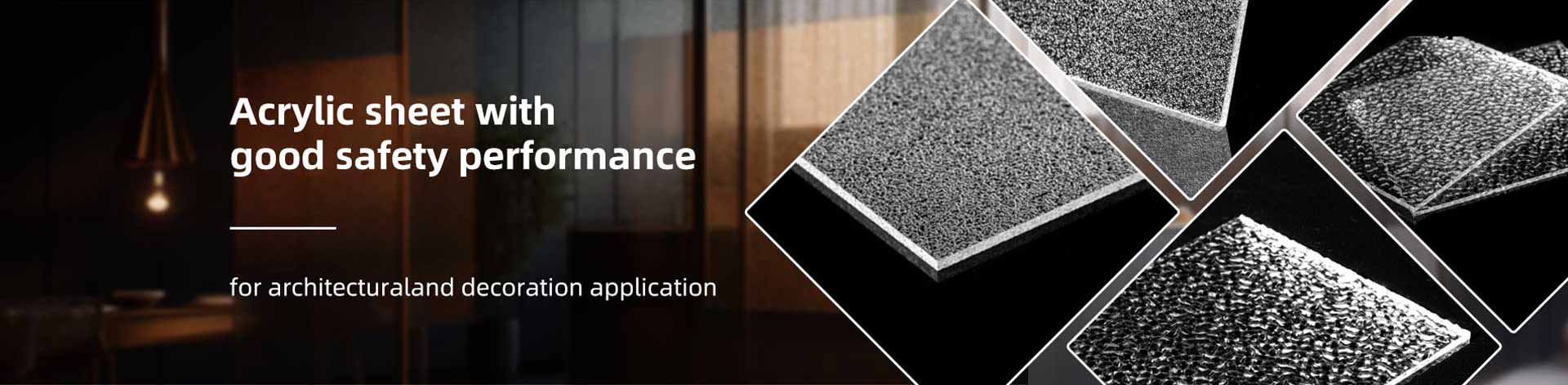
Frosted acrylic diffuser sheets provide surface-controlled light scattering, while opal acrylic sheets create built-in diffusion through material composition. The better choice depends on required light softness, transmission, and application design.
Frosted acrylic diffuser sheet and opal acrylic sheet are two acrylic solutions widely used in LED lighting applications. Both improve light appearance by reducing harsh brightness, but they achieve diffusion through different methods.
Frosted acrylic diffuser sheet uses a textured or matte surface treatment to scatter incoming light. The surface structure changes the light path and creates a softer visual effect.
Opal acrylic sheet uses diffusion particles blended into the acrylic material. The entire sheet provides light scattering performance, creating a more consistent diffusion effect throughout the material.
From a manufacturer’s perspective, selecting between frosted acrylic diffuser sheets and opal acrylic sheets requires evaluating light transmission, diffusion level, appearance requirements, and LED fixture structure.
Frosted acrylic diffuser sheet creates diffusion through surface texture.
The matte surface breaks up direct light and reduces the visibility of LED points. This helps create a softer appearance while maintaining a certain level of transparency.
The main advantages include:
Smooth matte appearance
Reduced direct brightness
Improved visual comfort
Decorative surface effect
Flexible design options
Frosted acrylic diffuser sheets are commonly used in:
Decorative LED lighting
Architectural lighting
Interior panels
Privacy lighting
Display applications
They are suitable for projects where both optical performance and surface appearance are important.
Opal acrylic sheet provides diffusion through internal optical particles.
During manufacturing, diffusion materials are added into the acrylic resin. These particles scatter light as it passes through the sheet, creating consistent illumination.
The main advantages include:
Uniform light diffusion
Stable optical performance
Hidden LED appearance
Consistent brightness distribution
Reliable mass production quality
Opal acrylic sheets are commonly used in:
LED light covers
Panel lights
Ceiling fixtures
Commercial lighting
Backlit displays
They are especially suitable for applications requiring stable diffusion performance.
Opal acrylic sheet generally provides more consistent overall light diffusion.
Because diffusion particles are distributed throughout the material, opal acrylic can create uniform scattering across the entire sheet.
Frosted acrylic diffuser sheet provides excellent surface diffusion but relies more on the texture quality and design of the surface treatment.
| Comparison | Frosted Acrylic Diffuser Sheet | Opal Acrylic Sheet |
|---|---|---|
| Diffusion method | Surface texture | Internal diffusion particles |
| Light uniformity | Excellent | Excellent |
| Surface appearance | Matte texture | Opal appearance |
| Transmission control | Flexible | Stable |
| LED hotspot reduction | Excellent | Excellent |
| Decorative effect | Higher | Moderate |
| Production consistency | Good | Excellent |
Both solutions can provide excellent LED light uniformity, but they are suitable for different designs.
Opal acrylic sheet is often preferred for LED products requiring consistent brightness across large areas.
It helps reduce:
Visible LED points
Uneven brightness
Light concentration areas
Harsh illumination
Frosted acrylic diffuser sheet is often selected when designers want a softer surface appearance combined with diffusion performance.
Light transmission depends on the specific grade and diffusion level.
Frosted acrylic diffuser sheets can maintain higher transparency in some designs because diffusion mainly occurs on the surface.
Opal acrylic sheets balance transmission and diffusion by adjusting internal diffusion particles.
Manufacturers typically select different optical grades according to:
Required brightness
Diffusion level
Viewing distance
LED power
Fixture design
Opal acrylic sheet is commonly preferred for LED lighting covers requiring stable and uniform illumination.
Applications include:
LED ceiling lights
Commercial light panels
Linear lighting fixtures
Backlit products
Frosted acrylic diffuser sheets are suitable for lighting products where appearance and decorative effects are also important.
Examples include:
Designer lighting
Architectural fixtures
Decorative panels
Yes, both materials can be combined with different optical structures.
A lighting system may include:
LED source
Reflective layer
Opal acrylic diffusion layer
Frosted surface finish
This combination can provide:
Better light distribution
Reduced glare
Improved appearance
Enhanced user comfort
Professional lighting manufacturers often select different optical treatments according to the final product requirements.
Professional manufacturers evaluate several factors before selecting acrylic diffusion materials.
If consistent diffusion is the priority, opal acrylic sheet is often preferred.
If a decorative matte appearance is required, frosted acrylic diffuser sheet provides advantages.
Manufacturers consider:
Light transmission
Haze level
Diffusion performance
Brightness requirements
Selection depends on:
LED arrangement
Fixture structure
Installation environment
Surface appearance requirements
Material consistency, thickness accuracy, surface quality, and processing capability influence the final choice.
Experienced Optical Plastic manufacturers analyze the complete lighting application before recommending the suitable acrylic solution.
Frosted acrylic diffuser sheet is the better choice when LED applications require a matte appearance, surface texture, and comfortable light diffusion.
Opal acrylic sheet is the better choice when LED applications require consistent diffusion, stable optical performance, and uniform illumination.
For commercial LED panels, light covers, and large-area lighting systems, opal acrylic sheets provide strong advantages. For decorative lighting and architectural applications, frosted acrylic diffuser sheets offer greater design flexibility.
As an optical plastic manufacturer, Kunxin provides customized acrylic optical solutions, including frosted acrylic diffuser sheets, opal acrylic sheets, and LED diffusion materials designed for different lighting requirements.