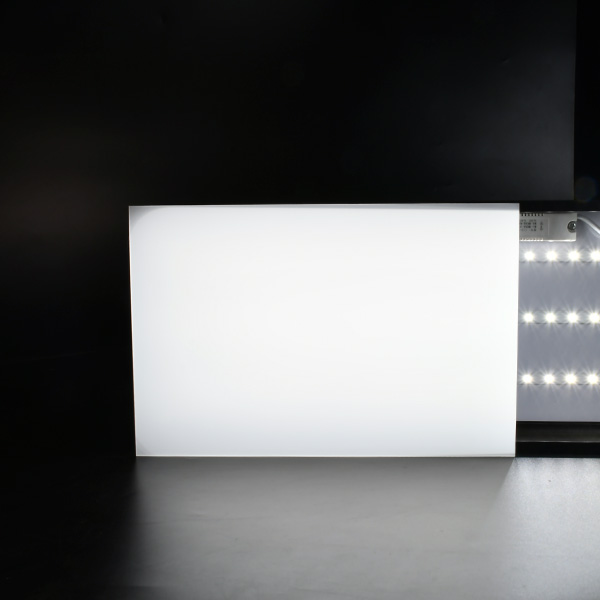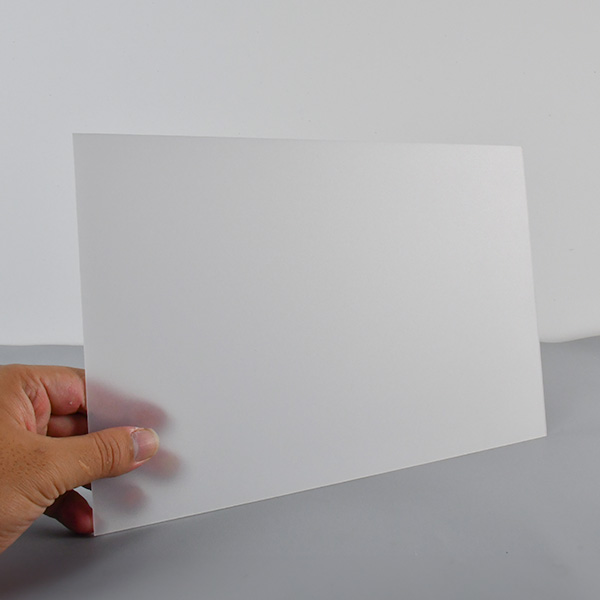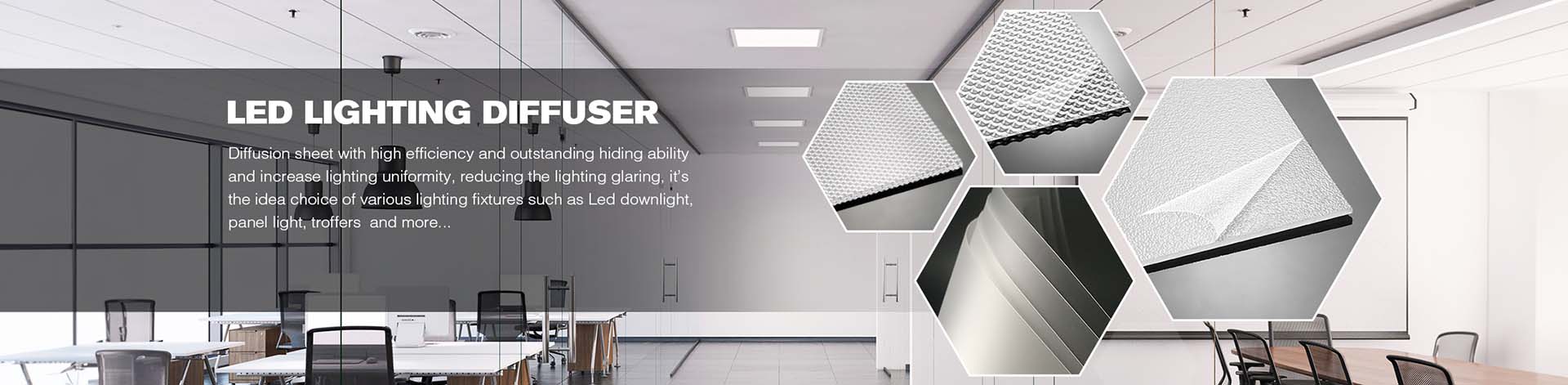
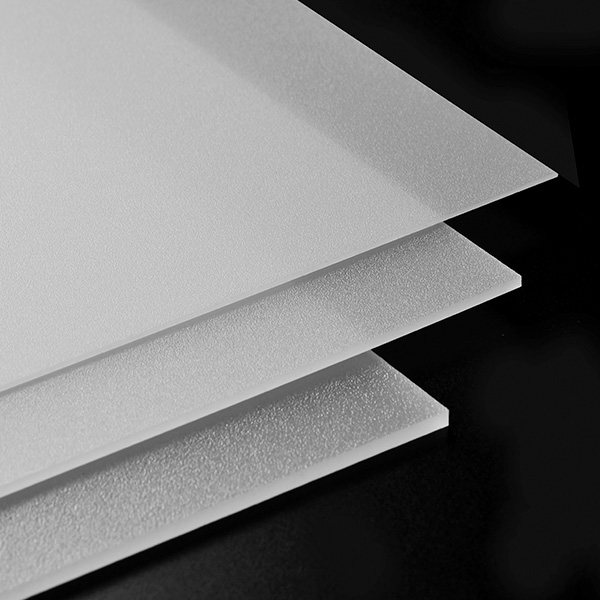
Polystyrene Diffuser Panel is a mechanically textured white PS lighting panel designed to regulate LED light output in visually demanding indoor environments. From the user experience perspective, it delivers a stable and comfortable visual field by balancing light transmission with lamp obstruction. The panel presents a controlled brightness level that avoids harsh exposure while maintaining sufficient illumination. Its surface configuration creates a visually soft yet structured light appearance, allowing users to remain visually focused over extended periods without discomfort caused by excessive brightness or uneven luminance distribution.
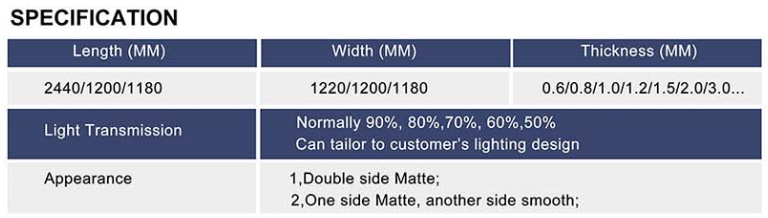
The diffuser panel offers selectable light transmission levels of 90 percent, 80 percent, 70 percent, 60 percent, and 50 percent, allowing precise adjustment to different lighting intensity requirements. These transmission values are measured using standardized transmission and haze testing methods, enabling predictable luminance output. By controlling transmission levels, the panel ensures consistent brightness balance while preventing excessive light penetration that could lead to glare or visual fatigue in LED lighting systems.
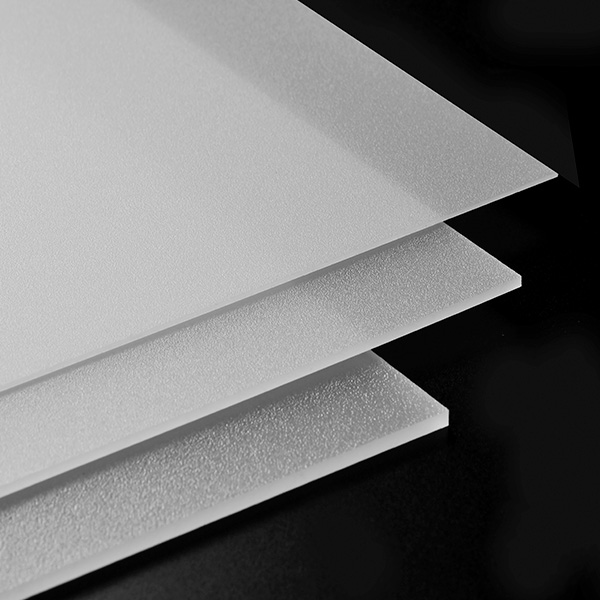
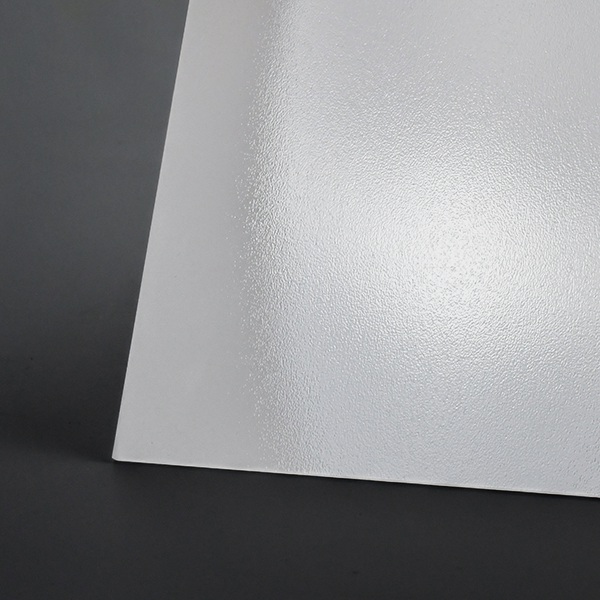
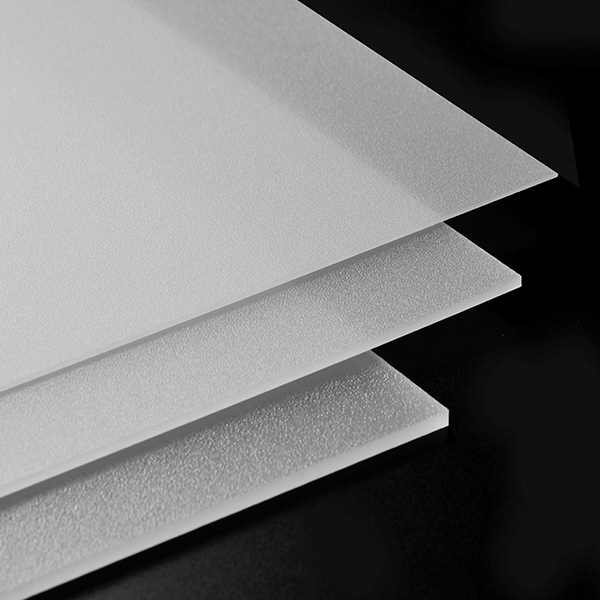
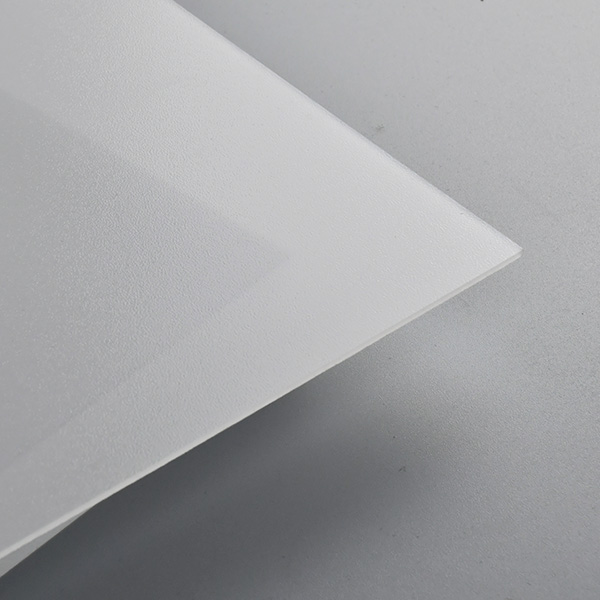
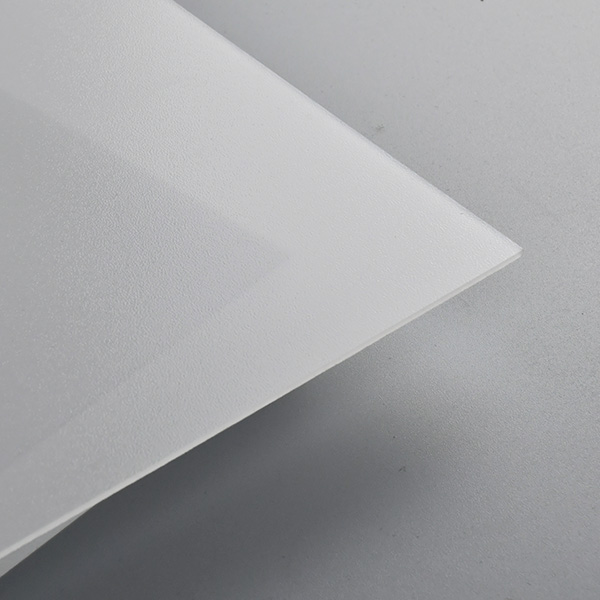
The panel provides configurable surface appearances including double-side matte or one side matte with the other side smooth. This mechanical texturing directly influences light diffusion behavior by dispersing light rays before emission. The matte surface reduces direct lamp visibility, while the smooth surface supports uniform light flow. This combination allows flexible optical tuning without altering material composition, ensuring stable visual comfort across different luminaire designs.
Available thickness options range from 0.6 mm to 3.0 mm, including intermediate specifications such as 0.8 mm, 1.0 mm, 1.2 mm, 1.5 mm, 2.0 mm, and 2.5 mm. Thickness selection directly affects diffusion strength and lamp hiding capability. Thicker panels provide increased obstruction of LED point sources, while thinner panels maintain higher luminous efficiency, allowing designers to balance efficiency and visual comfort precisely.
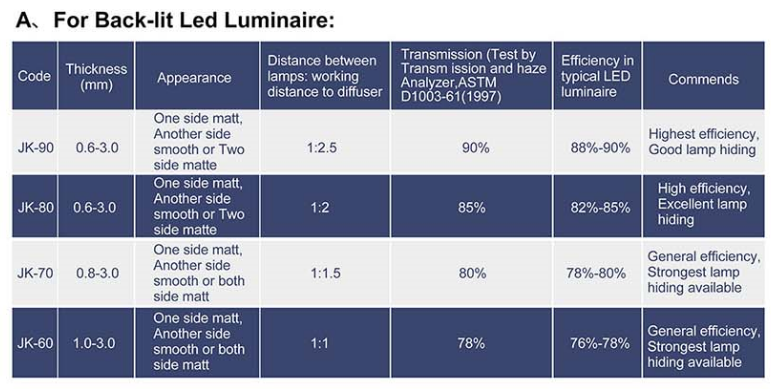
Performance data indicates lamp hiding efficiency between 82 percent and 90 percent depending on model and thickness. For example, thinner panels at 0.6–0.8 mm achieve high efficiency with effective lamp concealment, while thicker panels enhance hiding strength further. This controlled obstruction ensures that LED sources remain visually shielded, improving overall lighting uniformity and preventing visible hot spots.
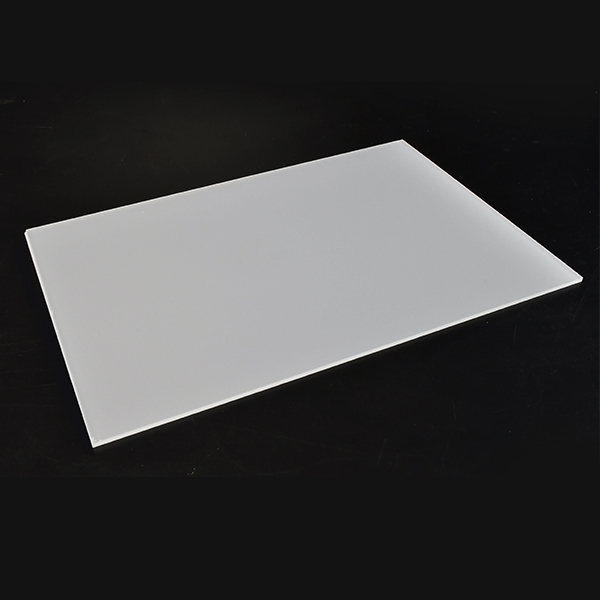
The panel is produced in standardized dimensions including 2440, 1200, and 1180 mm lengths, with matching widths of 1220, 1200, and 1180 mm. These standardized formats support compatibility with common LED luminaire frameworks and ceiling systems. Precision sizing ensures consistent optical performance across large installations, minimizing light leakage and maintaining alignment within lighting assemblies.
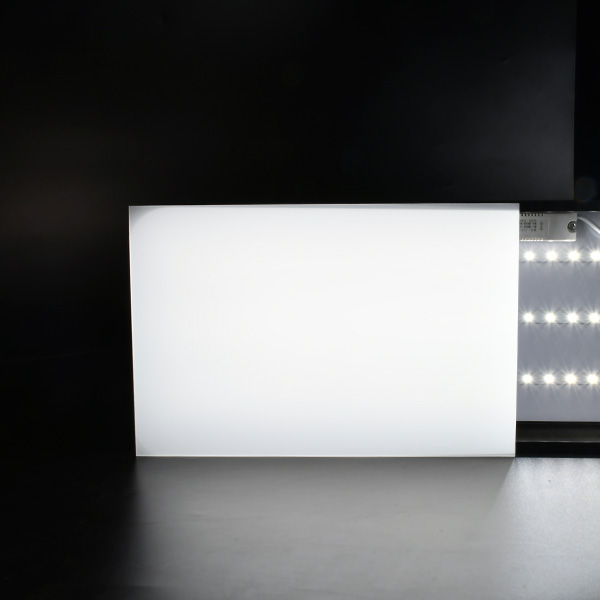
In back-lit LED luminaires, the polystyrene diffuser panel ensures balanced light distribution by positioning at optimized distances such as 1:1 to 1:2.5 between lamps and diffuser. This spacing allows controlled diffusion while maintaining luminous efficiency between 76 percent and 90 percent, ensuring consistent panel brightness without visible lamp images.
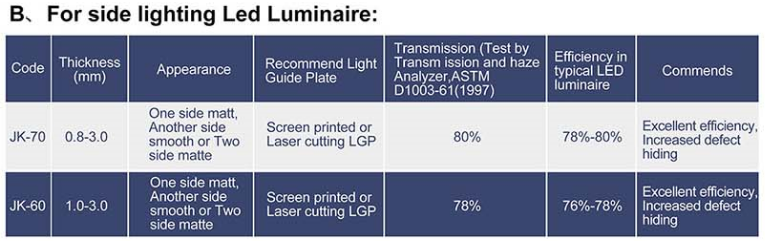
For side lighting LED luminaires, the panel works in coordination with screen-printed or laser-cut light guide plates. Transmission values of 78 percent to 80 percent support stable light extraction along the panel surface, improving defect hiding and reducing visible brightness irregularities across extended light paths.
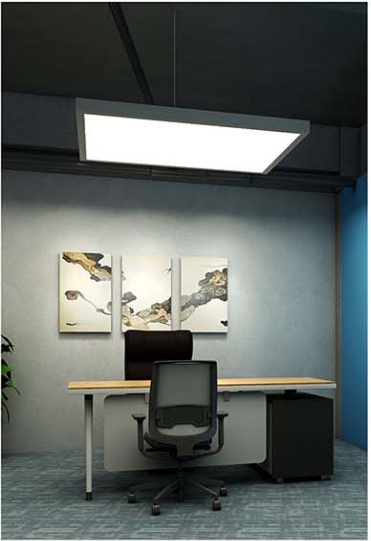
In office lighting environments, the diffuser panel provides visually comfortable illumination by balancing brightness and lamp concealment. Controlled transmission and matte surface treatment reduce direct glare while maintaining sufficient light levels for desk tasks, improving long-term visual comfort during prolonged working hours.
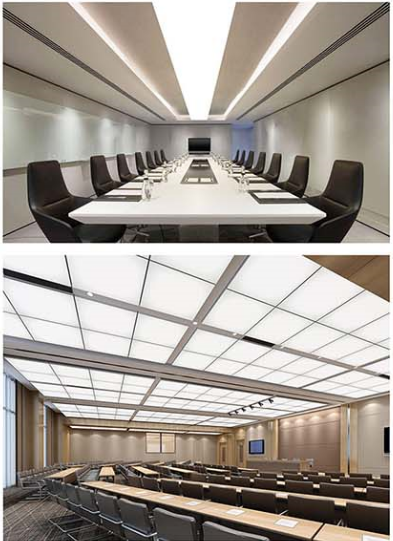
In conference room lighting systems, the panel supports uniform overhead illumination across tables and seating areas. The controlled lamp hiding performance prevents direct visual distraction from LED sources, ensuring consistent lighting conditions suitable for meetings and presentations.
In training spaces, the diffuser panel helps maintain uniform light distribution across large seating arrangements. Standardized sizes and predictable transmission allow consistent brightness across the room, supporting visual clarity for reading, writing, and instructional activities.
Within institutional environments such as public buildings and educational facilities, the panel ensures stable lighting quality through standardized optical performance. Its controlled diffusion and lamp obstruction characteristics support compliance with professional lighting comfort expectations across multiple installations.
In commercial interior lighting designs, the diffuser panel enhances visual consistency across large ceiling or wall-mounted luminaires. Its mechanical surface structure ensures even light emission, reducing visual fatigue while maintaining an orderly and professional lighting appearance.