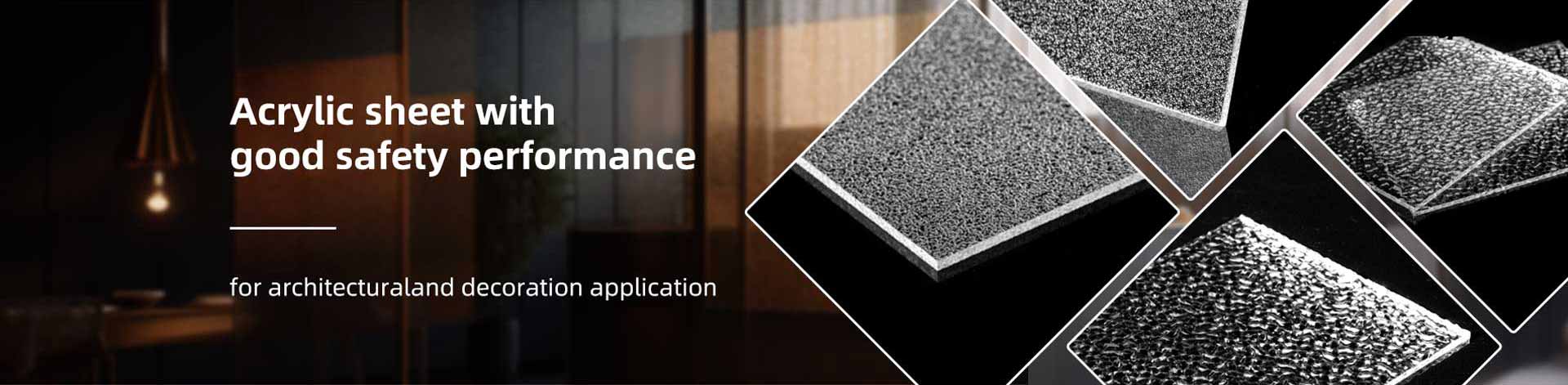
acrylic sheet and polycarbonate sheet are both widely used transparent plastic materials, yet their performance characteristics and application focus are clearly different. Acrylic sheet is known for its excellent optical clarity, smooth surface finish, and strong weather resistance. Polycarbonate sheet stands out for its superior impact strength, durability, and safety performance under demanding conditions.
From an optical perspective, acrylic sheet can achieve up to about 92% light transmission based on ASTM D1003 testing standards. This high transparency makes it ideal for lighting panels, display systems, and diffuser sheet production where visual clarity is critical. Polycarbonate sheet typically offers light transmission between 85% and 90%, slightly lower than acrylic, but compensates with exceptional mechanical strength. Industry data indicates that polycarbonate can be over 200 times stronger than glass, while acrylic provides around 10 to 20 times the strength of glass.
Item | Acrylic Sheet | Polycarbonate Sheet
Material Type | PMMA | PC
Light Transmission | Up to about 92% | Around 85% to 90%
Impact Strength | Moderate | Extremely high
Surface Hardness | Strong scratch resistance | Lower surface hardness
Weather Resistance | Excellent outdoor stability | Requires UV layer for outdoor use
Processing Performance | Easy cutting and polishing | Requires controlled processing
Main Applications | Lighting, display, decoration | Safety panels, industrial protection
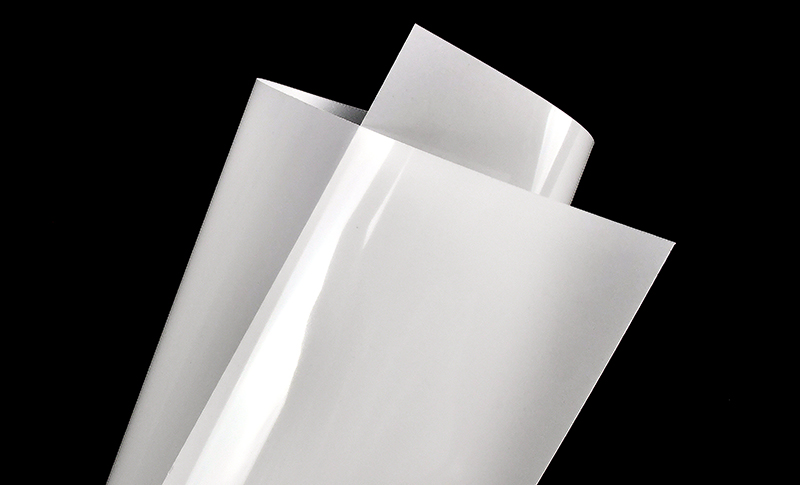
When selecting materials for bulk projects, performance data alone is not sufficient. Factors such as thickness tolerance, optical uniformity, haze value, and color consistency play a direct role in final product quality. In lighting applications, even slight variation in diffuser sheet properties can affect light distribution and visual comfort.
The role of a manufacturer becomes critical in ensuring stability. A direct plastic sheet manufacturer like KUNXIN controls the full production chain, including raw material sourcing, extrusion processing, temperature control, cooling calibration, and precision cutting. This integrated system ensures that every batch maintains consistent specifications. In contrast, sourcing through a trader often introduces variability due to multiple supply sources, which can lead to inconsistent quality and longer lead times.
For OEM and ODM projects, KUNXIN follows a structured process that supports customization and scalability. The process starts with technical requirement confirmation and material selection, followed by sample production and optical performance validation. After approval, batch production is carried out under strict monitoring, ensuring that each sheet meets defined standards. This process is especially important for Optical Plastic sheet applications where performance consistency is essential.
Manufacturing process control directly influences product quality. Acrylic sheet and polycarbonate sheet are typically produced using extrusion technology. Key factors such as melt temperature, die precision, cooling speed, and stress control determine sheet flatness, internal stability, and surface quality. Poor control may result in defects such as warping, bubbles, flow marks, or uneven thickness, which can impact downstream processing.
Quality control checkpoints are applied throughout production. These include raw material inspection, thickness measurement, light transmission testing, haze evaluation, surface inspection, and dimensional accuracy verification. Optical testing commonly follows ASTM D1003 standards, while mechanical performance aligns with ISO and ASTM testing systems. These checkpoints ensure that each batch meets performance expectations for industrial use.
Material standards also play an important role in project sourcing. High-quality PMMA and PC resins must meet requirements for purity, stability, and optical performance. For export markets, compliance with RoHS and REACH regulations is often required. Additional requirements may include flame retardant performance, UV resistance, and application-specific certifications depending on the target market.
From a bulk supply perspective, a clear project sourcing checklist helps reduce risks. Key considerations include material grade, thickness tolerance, optical data, UV requirements, flame rating, minimum order quantity, production lead time, packaging method, and inspection standards. A manufacturer with full production capability can provide stable supply, consistent quality, and reliable documentation for global distribution.
Acrylic sheet is generally preferred for applications requiring high clarity, smooth finish, and cost efficiency, such as LED lighting panels, signage, and decorative structures. Polycarbonate sheet is more suitable for environments where impact resistance and safety are critical, including industrial covers, protective panels, and structural applications.
Choosing between acrylic sheet and polycarbonate sheet requires balancing optical performance and mechanical strength. Working with a manufacturer that offers integrated production, strict quality control, and export compliance support ensures better performance, lower risk, and more reliable project execution.