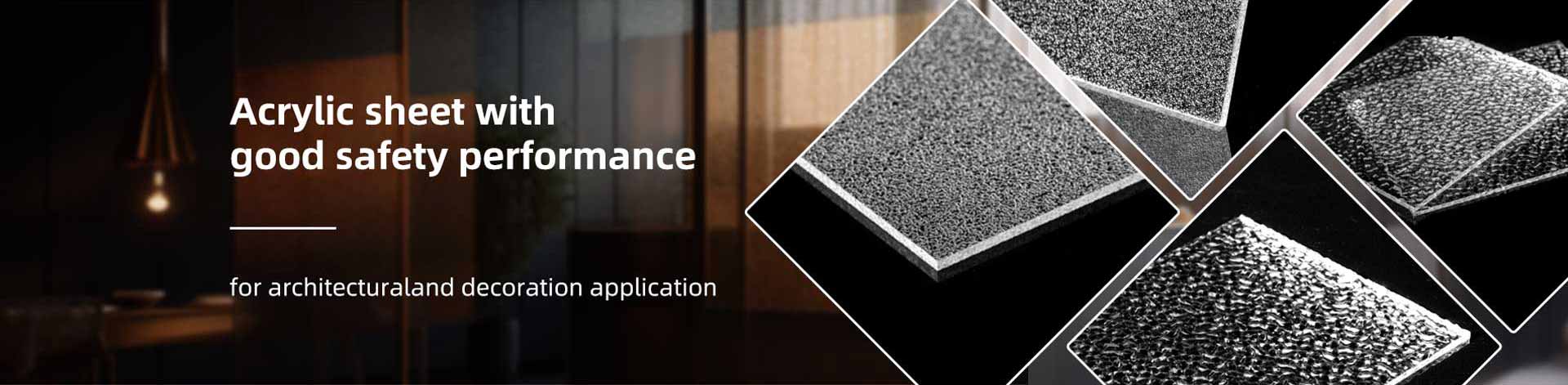
Diffuser sheet plays a critical role in LED lighting by controlling how light is distributed, softened, and transmitted. Without proper diffusion, LED light sources can create glare, hotspots, and uneven brightness. A well-designed diffuser sheet improves visual comfort while maintaining high optical efficiency.
According to ASTM D1003 testing standards, diffuser materials are evaluated based on luminous transmittance and haze. Materials with haze values above 30% are considered diffusing materials, which are essential for scattering light effectively . In LED applications, haze levels can reach over 90% to achieve strong diffusion performance while maintaining acceptable light output .
When selecting a diffuser sheet, the decision should be based on multiple technical parameters rather than price alone.
Light transmission determines how much light passes through the material. High-quality diffuser sheet typically balances transmission between 60% and 90%, depending on application requirements.
Haze value controls how light is scattered. Higher haze reduces glare but may lower brightness. The correct balance ensures both comfort and efficiency.
Optical efficiency is another important factor. Industry testing shows that diffuser systems can maintain around 90% to 95% efficiency in optimized LED designs, depending on configuration .
Thickness also affects performance. Sheets that are too thin may cause light spots, while thicker sheets improve diffusion but reduce transmission.
The most common materials used in diffuser sheet production are acrylic sheet and polycarbonate sheet. Acrylic offers better optical clarity and weather resistance, making it suitable for indoor lighting and decorative applications. Polycarbonate provides higher impact resistance and is preferred for industrial lighting or environments requiring durability.
For Optical Plastic sheet applications, the internal structure of the material determines diffusion quality. Micro-particle distribution and extrusion precision directly influence haze and light uniformity. Poor dispersion can result in visible defects and inconsistent lighting performance.
Diffuser sheet quality depends heavily on production control. The extrusion process must maintain stable temperature, pressure, and cooling conditions. Any variation can lead to defects such as bubbles, flow marks, or uneven thickness.
At KUNXIN, the manufacturing process is optimized for optical plastic sheet production. Raw materials are carefully selected, and extrusion parameters are tightly controlled to ensure consistent optical performance across large batches. This level of process control is essential for projects that require stable lighting output.
Reliable diffuser sheet production includes multiple inspection stages. Raw material verification ensures resin quality and purity. Thickness measurement guarantees dimensional accuracy. Optical testing evaluates light transmission and haze based on ASTM D1003 standards. Surface inspection identifies defects that could affect appearance or performance.
Haze and transmittance data are widely used for quality control and specification verification in plastic sheet manufacturing . Consistent testing ensures that each batch meets the same performance level.
Choosing between a manufacturer and a trader can significantly impact project outcomes. A direct manufacturer like KUNXIN controls raw material sourcing, extrusion production, and quality inspection in one system. This ensures stable quality, accurate specifications, and reliable delivery timelines.
Traders typically source from multiple factories, which may lead to variations in color, thickness, and optical performance. For large-scale LED lighting projects, this inconsistency can increase risk and affect installation results.
For customized LED lighting solutions, OEM and ODM capability is essential. KUNXIN provides a structured process that begins with technical requirement analysis, followed by material selection, sample development, optical testing, and batch production.
This approach ensures that diffuser sheet performance matches project requirements, whether the focus is high transmission, anti-glare performance, or specific visual effects.
In large-scale projects, stable supply is as important as product quality. Factors such as production capacity, lead time, packaging, and logistics must be evaluated.
KUNXIN supports bulk supply with consistent production scheduling and standardized packaging solutions. This helps ensure that materials arrive in stable condition and are ready for immediate use in assembly or installation.
A structured sourcing checklist helps reduce risk and improve efficiency. Key items include material type, thickness tolerance, light transmission, haze value, UV resistance, flame rating, minimum order quantity, lead time, and inspection standards.
Clear documentation is also critical for export. Compliance with regulations such as RoHS and REACH ensures that products meet environmental and safety requirements in different markets.
Choosing the right diffuser sheet for LED lighting requires a balance between optical performance, material durability, and manufacturing stability. Evaluating haze, transmission, and process control provides a clearer understanding of product quality.
Working with a manufacturer that offers full production control, strict quality inspection, and customization capability helps ensure consistent results across projects and reduces sourcing risks.