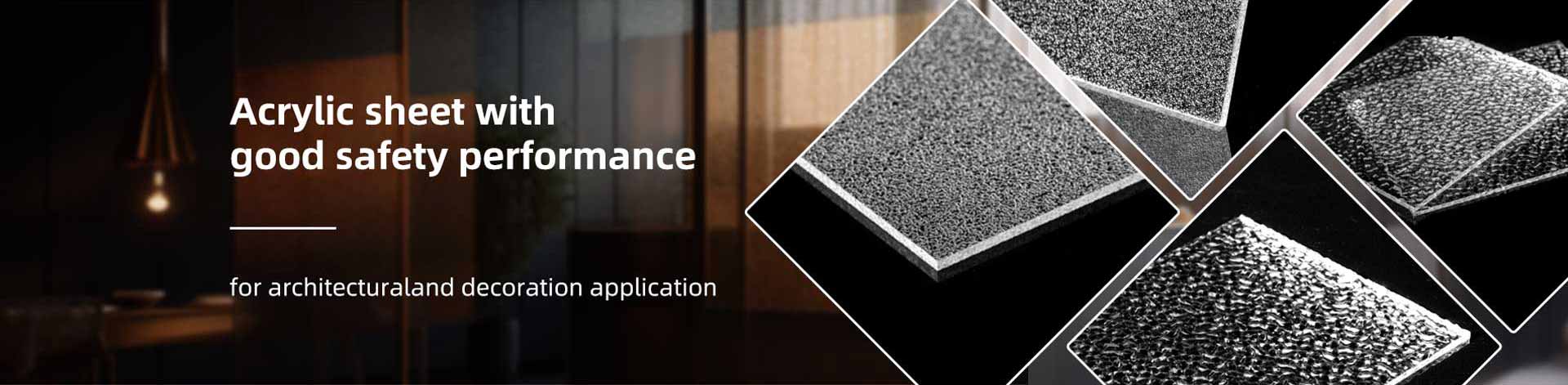
Acrylic Sheet Vs Glass is a common material decision in interior decoration projects. Glass offers a hard surface and traditional transparency, while acrylic provides lighter weight, easier processing and more flexible decorative effects. For hotels, retail spaces, offices and furniture applications, the final choice should consider safety, installation cost, transport risk and design flexibility.
Clear acrylic can reach about 92% light transmission under ASTM D1003 testing, which is close to or higher than many common glass options. Acrylic is also about half the weight of glass with similar thickness, based on typical material density data. This helps reduce handling pressure during cutting, delivery and on-site installation.
| Factor | Acrylic Sheet | Glass |
|---|---|---|
| Weight | Lighter and easier to handle | Heavier during transport |
| Processing | Easy cutting, drilling and shaping | Requires more careful processing |
| Safety | Less likely to shatter into sharp pieces | Higher breakage risk |
| Design | Color, frosted, reeded and textured options | More limited surface flexibility |
| Installation | Suitable for partitions, panels and displays | Needs stronger support structure |
For interior decoration projects, a manufacturer can offer more stable support than a trader. A trader may only provide standard stock sizes, but a manufacturer can adjust color, thickness, texture, surface finish and cutting size according to project drawings.
KUNXIN produces Decorative Acrylic Sheet for interior applications, including reeded acrylic sheet, ribbed acrylic sheet, frosted acrylic sheet, cracked Ice Acrylic Sheet, Mirrored Acrylic Sheet and color acrylic sheet. Our team can support material selection for different design styles and project requirements.
A practical OEM / ODM process starts with design confirmation. Buyers should provide thickness, color tone, texture direction, panel size, edge treatment and installation method. Sample approval is important before bulk order because acrylic decoration projects often require visual consistency across many panels.
For bulk supply considerations, buyers should confirm thickness tolerance, surface protection film, color consistency, cutting accuracy, packaging method and delivery schedule. These details help reduce scratches, color difference and installation loss during overseas projects.
The manufacturing process includes raw material selection, color matching, sheet forming, surface texture control, cutting, protective film application and final inspection. KUNXIN checks sheet flatness, surface defects, color stability, size accuracy and batch consistency before shipment.
For export market compliance, stable material documents, safe packaging and clear labeling help support projects in Europe, North America and other overseas markets. Strong packaging is especially important because decorative acrylic sheets need clean surfaces when they arrive on site.
Choose Acrylic Sheet when the project needs lighter weight, easier processing, safer handling and more decorative choices. Choose glass when the design requires a harder surface and higher scratch resistance. For interior decoration projects with custom colors, textures and bulk delivery needs, acrylic sheet is often a more flexible and practical option.