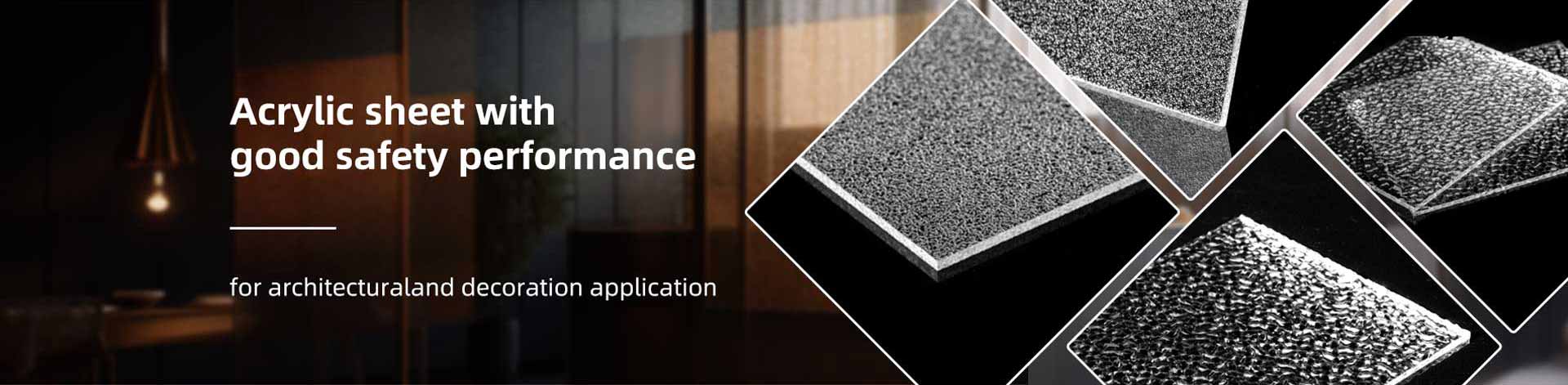
Ordering decorative acrylic sheet in bulk requires more than confirming price and quantity. Large-volume projects depend on consistent appearance, stable material performance, accurate specifications, and reliable production capability.
Glass paint can be used on acrylic sheet, but the result depends on paint compatibility, surface preparation, curing conditions, and the final application environment. Acrylic is a smooth and non-porous plastic material, so glass paint may not always bond as effectively as it does on glass.
Acrylic sheets can be shaped into different forms for lighting fixtures, decorative panels, displays and architectural applications. Because acrylic is a thermoplastic material, it can be processed through controlled heating and forming methods to create curved surfaces and customized designs.
Decorative acrylic panels are widely used in modern interiors, commercial spaces and architectural designs because they combine visual appeal with lightweight structure and flexible processing options.
Optical plastic materials are becoming increasingly important in modern lighting, architectural design and advanced display applications. As industries demand better light efficiency, thinner structures and more customized designs, optical plastics continue to evolve through improvements in material formulation, processing technology and optical performance.
Acrylic is becoming an increasingly popular alternative to glass in modern construction because it combines optical clarity, lightweight structure and design flexibility. From architectural partitions and decorative walls to lighting panels and protective covers, acrylic materials provide new possibilities for designers and manufacturers.
Clear acrylic sheets are widely used in lighting fixtures, windows, displays, partitions and architectural applications because of their transparency, lightweight structure and excellent optical appearance.
Choosing the right blade to cut acrylic sheets is important for achieving clean edges, accurate dimensions and a high-quality finished surface. Acrylic is a versatile plastic material used in lighting fixtures, decorative panels, partitions and customized products, but incorrect cutting tools may cause cracking, chipping or rough edges.
Acrylic sheets are known for their excellent transparency, lightweight structure and flexible processing capabilities. Whether an acrylic sheet can be bent depends on factors such as thickness, material grade, heating method and application requirements.
Making keychains with an acrylic sheet laser cutter combines creative design with precise material processing. Acrylic sheets are widely used for customized keychains because they provide smooth surfaces, lightweight structure, good transparency and excellent processing flexibility.
Making keychains with acrylic sheets is a popular application for customized decorative products, promotional items and creative accessories. Acrylic sheets are widely used because they provide lightweight construction, smooth surfaces, excellent transparency and flexible processing options.
Fixing acrylic sheets on ceilings requires careful planning, accurate measurement and suitable installation methods. Acrylic ceiling panels are widely used in lighting fixtures, decorative ceilings, partitions and architectural interiors because they provide lightweight construction, optical clarity and design flexibility.