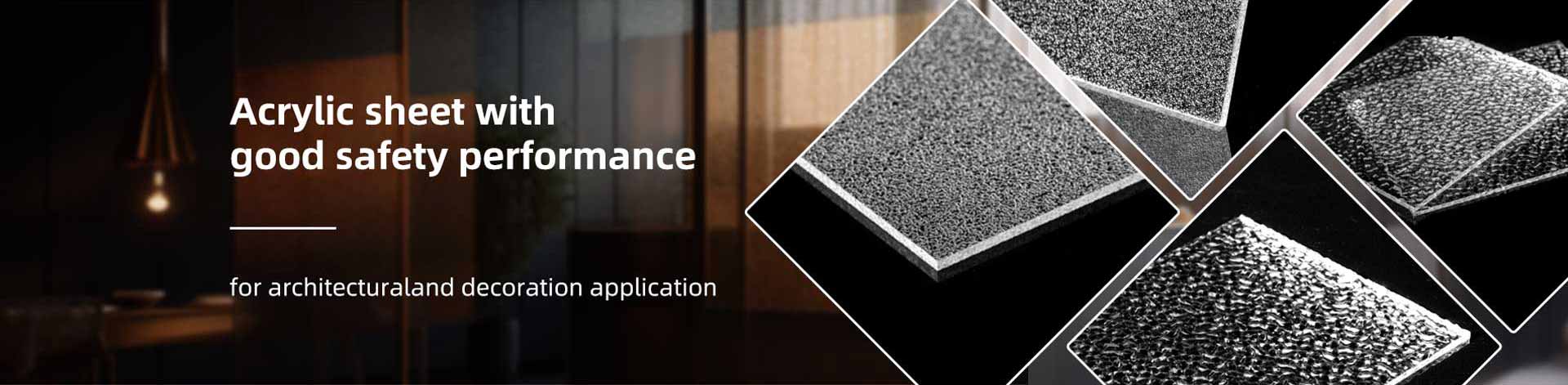
Glass paint can be used on acrylic sheet, but the result depends on paint compatibility, surface preparation, curing conditions, and the final application environment. Acrylic is a smooth and non-porous plastic material, so glass paint may not always bond as effectively as it does on glass. For decorative panels, displays, lighting covers, and customized acrylic applications, selecting the right coating method is essential.
Glass paint is mainly designed for glass surfaces because glass provides a hard, chemically stable, non-porous surface. Acrylic sheet, also known as PMMA, is a thermoplastic material with different surface energy and flexibility.
When applying glass paint to acrylic, several issues may appear:
Weak adhesion
Peeling after drying
Surface scratches
Cracking when the acrylic bends
Uneven appearance
For professional applications, manufacturers usually evaluate the coating system together with the acrylic grade, surface finish, and processing method.
KUNXIN produces acrylic sheets and Optical Plastic materials for lighting, architectural applications, display panels, and customized decorative projects. The company provides different surface textures, colors, thicknesses, and processing solutions according to application requirements.
Before applying any paint, the acrylic surface must be properly prepared.
A typical preparation process includes:
| Step | Purpose |
|---|---|
| Cleaning | Remove dust, oil, and contamination |
| Surface treatment | Improve coating adhesion |
| Primer application | Create stronger bonding |
| Controlled curing | Improve finish stability |
Smooth acrylic surfaces usually require suitable primers or coatings developed for plastic materials. Simply applying glass paint directly may create an attractive appearance at first but may not provide long-term durability.
The acrylic surface type has a major influence on coating performance.
| Acrylic Type | Painting Consideration |
|---|---|
| Clear acrylic sheet | Good visual effect but requires proper adhesion preparation |
| White acrylic sheet | Suitable for decorative color applications |
| frosted acrylic sheet | Texture may affect coating uniformity |
| Textured acrylic sheet | Requires coating evaluation |
| Mirror acrylic sheet | Special treatment may be needed |
KUNXIN offers clear acrylic sheets, frosted acrylic sheets, textured acrylic sheets, mirrored acrylic sheets, and colorful acrylic sheets for different design requirements.
For custom acrylic projects, painting is only one part of the complete manufacturing process.
A professional acrylic sheet manufacturer should evaluate:
Material selection
Sheet thickness
Cutting method
Surface treatment
Printing or coating process
Packaging protection
KUNXIN provides fabrication services including laser cutting, CNC milling, heat bending, diamond polishing, thermoforming, surface treatment, and acrylic laminating.
These processes allow manufacturers to prepare acrylic panels for different decorative and functional applications.
Different coating solutions create different results.
| Coating Method | Main Advantage |
|---|---|
| Glass paint | Decorative appearance |
| Acrylic paint | Better compatibility with acrylic surfaces |
| UV printing | Precise patterns and colors |
| Spray coating | Large-area color coverage |
| Silk screen printing | Repeatable graphic designs |
For OEM and ODM projects, the coating method should be selected based on the final use rather than only the visual effect.
For large-volume acrylic projects, coating consistency is more important than a single successful sample.
Important quality control checkpoints include:
Surface cleanliness
Color consistency
Adhesion strength
Scratch resistance
Thickness tolerance
Edge quality
Packaging protection
KUNXIN uses optical-grade materials and automated production systems. The company states that it uses Mitsubishi raw materials from Japan, with key processes including extrusion, calendaring, cooling, and protective film application completed under dust-free conditions. Its monthly processing capability reaches approximately 600 tons.
These production controls help maintain stable material quality for customized applications.
Working directly with an acrylic sheet manufacturer instead of a trader provides advantages during material selection and processing.
A manufacturer can evaluate whether the acrylic grade, surface texture, coating method, and fabrication process are suitable before mass production begins.
A practical project sourcing checklist should include:
Acrylic material type
Surface finish
Paint or coating requirement
Application environment
Expected service life
Processing method
Quantity requirement
Packaging requirements
This helps avoid coating failures after production has already started.
For international projects, coating performance, material stability, and processing quality should be confirmed before shipment.
Acrylic sheets used in lighting, decoration, and display applications may require different requirements depending on the market and application. KUNXIN follows ISO9001 quality management standards and controls production processes to maintain consistency.
Glass paint can be used on acrylic sheet for decorative purposes, but the best results depend on choosing the correct coating system and preparing the acrylic surface properly. With optical plastic manufacturing experience, customized processing capabilities, and controlled production systems, KUNXIN helps transform acrylic sheets into reliable solutions for lighting, decoration, display, and customized applications.