Acrylic sheet can be used with dry erase markers when the surface is smooth, non-porous, and properly prepared. Clear acrylic, white acrylic, and some glossy acrylic panels can work as writing surfaces because PMMA does not absorb ink like porous materials. However, surface texture, coating, and finishing methods can affect erase performance.
Acrylic is a thermoplastic material with a smooth molecular structure. Unlike wood, paper-based boards, or unsealed surfaces, acrylic does not easily allow marker ink to penetrate into the material.
For applications such as:
Office writing boards
Educational panels
Display boards
Interactive design surfaces
Customized interior panels
a smooth acrylic sheet can provide a clean writing experience with a modern appearance.
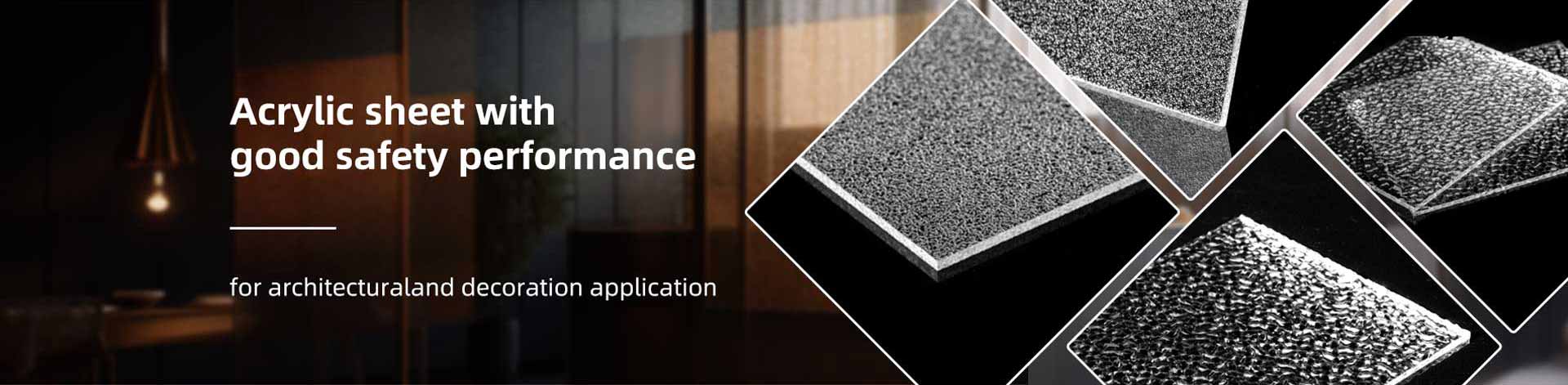
KUNXIN produces acrylic sheets including clear plastic plates, frosted acrylic sheets, Textured Acrylic Sheets, mirrored acrylic sheets, and colorful acrylic sheets for different decorative and functional applications.
Not all acrylic sheets provide the same writing experience.
The surface treatment has a direct impact on how easily marker ink can be removed.
| Acrylic Surface | Dry Erase Performance |
|---|---|
| Glossy clear acrylic | Excellent smooth writing surface |
| White acrylic sheet | Suitable for visible writing |
| Frosted acrylic sheet | May require more cleaning effort |
| Textured acrylic sheet | Not ideal for repeated writing |
| Mirror acrylic sheet | Depends on surface coating |
A smooth acrylic sheet generally performs better because the marker ink remains on the surface instead of entering small textures.
For example, KUNXIN's clear acrylic sheets feature optical-grade surfaces with high clarity and uniformity, making them suitable for applications requiring clean visual appearance.
Thickness selection depends on the application.
For small writing panels, thinner sheets may be sufficient. Larger dry erase boards or installed panels require stronger support to prevent bending.
Important factors include:
Panel size
Installation method
Support structure
Impact requirements
Processing method
During an OEM or ODM project, manufacturers should evaluate the complete structure instead of selecting thickness only from appearance.
A professional acrylic sheet manufacturer can help determine the right thickness, cutting method, edge treatment, and installation solution before production.
Acrylic sheets used for functional surfaces require consistent flatness, smoothness, and thickness tolerance.
The manufacturing process typically includes:
Raw material selection
Extrusion
Calendering
Cooling
Surface protection
Cutting
Quality inspection
KUNXIN uses optical-grade raw materials and computer-controlled production lines. The company states that it uses Mitsubishi raw materials from Japan and completes extrusion, calendaring, cooling, and protective film processes under dust-free conditions. Its monthly processing capability reaches approximately 600 tons.
These manufacturing controls help maintain surface consistency for different applications.
Acrylic provides different advantages compared with traditional writing boards.
| Factor | Acrylic Sheet | Traditional Board Materials |
|---|---|---|
| Appearance | Modern transparent or colored design | Usually limited styles |
| Customization | Easy cutting and shaping | More limited |
| Weight | Lightweight | Often heavier |
| Processing | CNC, laser cutting, bending possible | Limited fabrication |
| Decorative options | High | Lower |
For architectural interiors, retail spaces, and customized environments, acrylic offers more design flexibility.
For large projects, the acrylic sheet itself is only one part of the solution.
A complete project sourcing checklist should include:
Sheet thickness
Color requirement
Transparency level
Surface finish
Cutting size
Edge polishing
Hole drilling
Packaging protection
Final installation method
KUNXIN provides acrylic fabrication services including laser cutting, CNC milling, heat bending, diamond polishing, thermoforming, surface treatment, and acrylic laminating.
These processes allow acrylic panels to be customized according to different project requirements.
Acrylic writing surfaces should be checked for:
Surface flatness
Thickness tolerance
Transparency consistency
Scratch protection
Edge quality
Surface cleanliness
For repeated commercial applications, consistent production quality is more important than a single good-looking sample.
Acrylic sheet can be an effective material for dry erase applications when the correct surface type and manufacturing process are selected. With Optical Plastic expertise, customized processing capability, and controlled production systems, KUNXIN helps transform acrylic sheets into functional panels for lighting, decoration, display, and customized applications.