Acrylic sheet can be used for dining tables, especially when the project requires lightweight structure, modern appearance, transparency, color options, and customized designs. However, choosing the right acrylic material, thickness, surface finish, and fabrication method is essential to ensure stability and long-term performance.
Traditional materials such as glass and wood are widely used for furniture, but acrylic offers different advantages for modern interior designs.
Compared with glass, acrylic is lighter and easier to process. It can be cut, shaped, polished, drilled, and thermoformed into different furniture structures. Optical-grade acrylic can also provide high transparency, with clear PMMA commonly reaching around 92% light transmission under ASTM D1003 testing.
For dining table applications, acrylic sheets are often selected for:
Transparent tabletops
Modern minimalist furniture
Decorative table surfaces
Custom-shaped furniture panels
Luxury interior projects
KUNXIN produces optical acrylic sheets and decorative acrylic panels that are used in architectural applications, display panels, and customized designs. The company provides different textures, colors, thicknesses, and surface solutions for various applications.
Not every acrylic sheet is designed for furniture use. The selection depends on the expected appearance and functional requirements.
| Acrylic Sheet Type | Suitable Application |
|---|---|
| Clear Acrylic Sheet | Transparent modern tabletops |
| frosted acrylic sheet | Soft visual effect and privacy design |
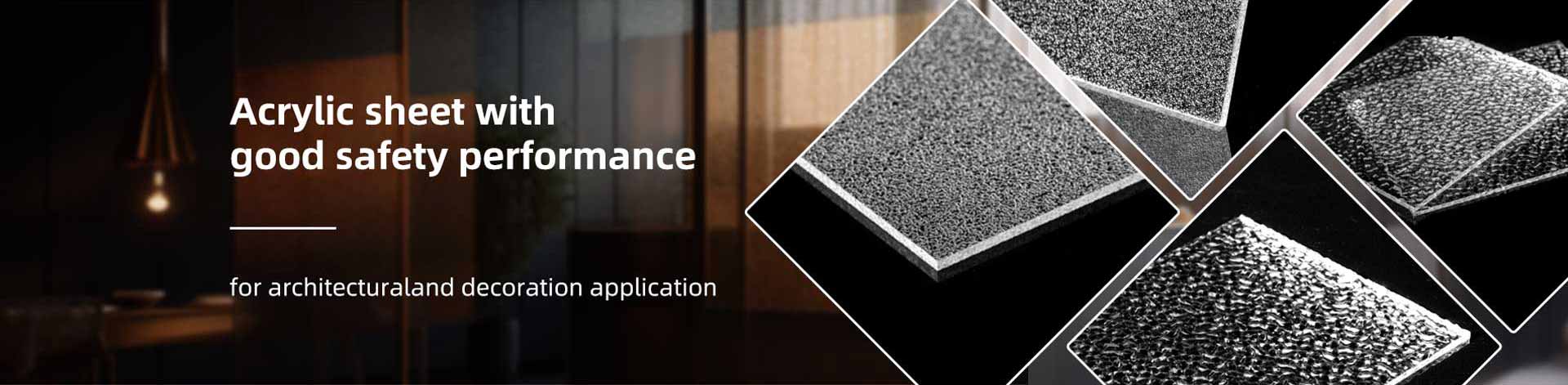
| Textured Acrylic Sheet | Decorative furniture surfaces |
| Colored Acrylic Sheet | Customized interior styles |
| Mirror Acrylic Sheet | Creative furniture designs |
KUNXIN offers clear acrylic sheets, frosted sheets, textured acrylic sheets, mirrored acrylic sheets, and colorful acrylic sheets with customized thickness and fabrication options.
For dining tables, thickness is one of the most important design factors.
A thin acrylic panel may be suitable for decorative layers, while a thicker sheet is usually preferred for standalone tabletop structures. The final thickness depends on:
Table size
Support structure
Expected load
Edge design
Fabrication method
During the OEM and ODM process, manufacturers should evaluate the complete design instead of selecting thickness only based on appearance.
A professional acrylic sheet manufacturer can help review material thickness, reinforcement methods, edge finishing, and processing requirements before production.
The surface condition directly affects the final furniture quality.
For dining tables, manufacturers may use different surface treatments:
| Surface Treatment | Main Benefit |
|---|---|
| Diamond polishing | Clear and smooth edges |
| Frosted surface | Soft visual appearance |
| Textured surface | Decorative patterns |
| Protective film | Prevents scratches during processing |
KUNXIN provides various acrylic processing capabilities including laser cutting, CNC milling, heat bending, diamond polishing, thermoforming, surface treatment, and acrylic laminating.
These processes allow acrylic sheets to be adapted for different furniture designs.
Acrylic and glass provide different design possibilities.
| Factor | Acrylic Sheet | Glass |
|---|---|---|
| Weight | Lighter | Heavier |
| Processing | Easier cutting and shaping | More limited fabrication |
| Transparency | High clarity | High clarity |
| Design flexibility | More colors and textures | Fewer customization options |
| Impact resistance | Higher flexibility | More brittle |
For custom furniture projects requiring special shapes, colors, or textures, acrylic can provide more manufacturing flexibility.
A dining table surface requires consistent appearance and reliable performance.
Important quality checkpoints include:
Thickness tolerance
Surface flatness
Transparency consistency
Scratch protection
Edge quality
Material purity
Processing accuracy
KUNXIN uses optical-grade materials and computer-controlled production lines. The company states that it uses Mitsubishi raw materials from Japan, with extrusion, calendaring, cooling, and masking processes completed in dust-free conditions. Its production capability reaches approximately 600 tons per month.
When developing acrylic dining tables, manufacturers should confirm:
Required sheet size
Thickness specification
Transparent or decorative effect
Edge treatment
Shape requirements
Surface texture
Packaging protection
Final application environment
This project sourcing checklist helps reduce production adjustments and improves consistency during bulk manufacturing.
KUNXIN provides customized acrylic solutions with different light transmission levels, surface textures, and shaping options.
Acrylic sheet can be an excellent choice for dining tables when the material specification and fabrication process are properly controlled. With optical material expertise, customized processing capabilities, and production experience, manufacturers can transform acrylic sheets into durable and visually distinctive furniture solutions.