Although acrylic has a smooth and non-porous surface, its low surface energy can make paint adhesion more challenging compared with traditional materials. A professional coating process helps improve adhesion, appearance consistency, and long-term durability.
For applications such as decorative panels, display products, lighting components, and architectural acrylic sheets, choosing the correct coating method is essential to achieve reliable results.
Acrylic sheet has excellent transparency, lightweight properties, and weather resistance, but its smooth surface makes it difficult for some paints to bond directly.
Before coating, manufacturers usually prepare the surface through:
Cleaning dust and oil contamination
Removing protective film correctly
Surface treatment
Applying suitable primer
Testing coating adhesion
Without proper preparation, paint may peel, crack, or lose adhesion after exposure to handling, temperature changes, or moisture.
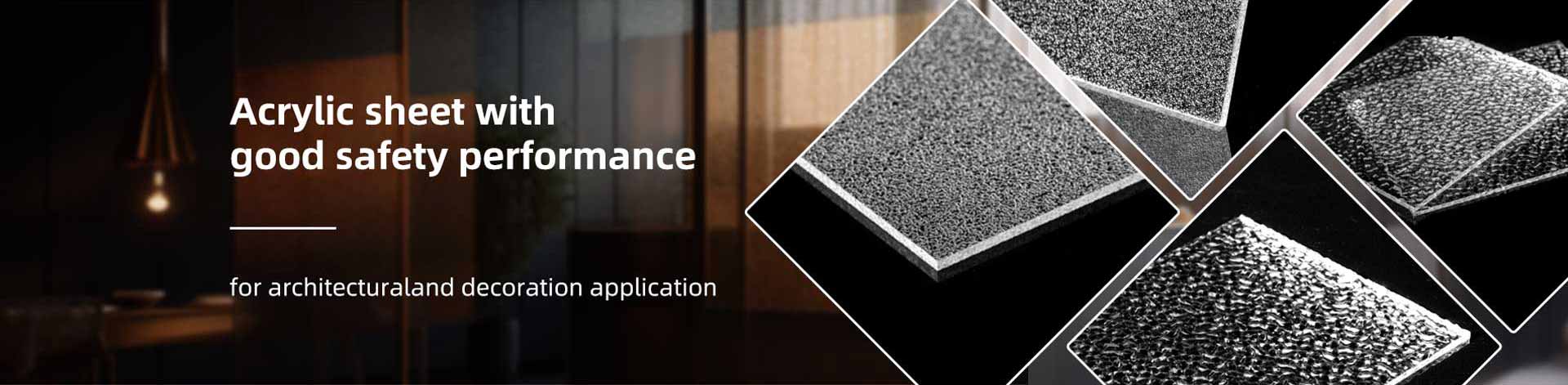
KUNXIN produces optical acrylic sheets, textured acrylic panels, and decorative acrylic materials with controlled surface quality for lighting, architectural, and display applications. The company provides customized solutions with different colors, textures, light transmission levels, and shaping options. (KUNXIN)
The correct paint system depends on the application requirements and the final environment.
| Paint Type | Suitable Application |
|---|---|
| Acrylic-based paint | Good compatibility with acrylic surfaces |
| Spray coating | Large-area decorative coating |
| UV printing ink | Detailed patterns and graphics |
| Silk screen ink | Repeated designs and logos |
| Protective coating | Improve surface performance |
For professional projects, manufacturers normally evaluate paint compatibility through sample testing before mass production.
Acrylic sheet coating performance depends heavily on surface condition.
Common surface treatment methods include:
| Treatment Method | Purpose |
|---|---|
| Cleaning | Remove contamination |
| Primer coating | Improve bonding |
| Surface activation | Increase adhesion |
| Sanding | Create better coating grip |
The goal is not to damage the acrylic surface but to create a stable foundation for the coating layer.
For optical applications, surface treatment must be carefully controlled because excessive processing may affect transparency, light diffusion, or surface appearance.
Acrylic sheet quality starts before the coating stage.
A typical acrylic sheet manufacturing process includes:
Raw material preparation
Extrusion
Calendering
Cooling
Thickness inspection
Protective film application
Cutting and packaging
KUNXIN uses optical-grade materials and computer-controlled production lines. The company states that it uses Mitsubishi raw materials from Japan, with extrusion, calendaring, cooling, and masking film processes completed under dust-free conditions. Its monthly processing capability reaches approximately 600 tons. (KUNXIN)
Stable thickness and surface consistency provide a better foundation for further coating and fabrication.
Not every acrylic sheet is suitable for the same coating application.
A project sourcing checklist should consider:
Acrylic material type
Sheet thickness
Surface finish
Paint compatibility
Color requirement
Indoor or outdoor environment
Required durability
Production quantity
| Project Requirement | Material Consideration |
|---|---|
| Transparent design | Clear acrylic sheet |
| Decorative appearance | Colored or Textured Acrylic Sheet |
| Light diffusion | Acrylic diffuser sheet |
| Pattern effect | Surface textured acrylic panel |
KUNXIN offers clear plastic plates, frosted acrylic sheets, textured acrylic sheets, mirrored acrylic sheets, and colorful acrylic sheets for different design requirements. (KUNXIN)
For customized acrylic products, coating requirements should be confirmed during the early development stage.
A complete OEM and ODM process usually includes:
Product design review
Material selection
Surface treatment evaluation
Sample production
Coating testing
Mass production approval
Working with a manufacturer allows coating, fabrication, and material selection to be evaluated together.
A manufacturer can help determine:
Whether the acrylic grade matches the coating
Whether the surface texture affects appearance
Whether the coating method suits the application
Whether production can maintain consistency
For bulk supply, coating quality should be controlled through multiple checkpoints.
Important quality control checkpoints include:
| Inspection Item | Purpose |
|---|---|
| Adhesion test | Check coating bonding |
| Color consistency | Maintain appearance |
| Surface inspection | Detect defects |
| Thickness measurement | Ensure stability |
| Scratch resistance | Improve durability |
| Batch comparison | Maintain repeatability |
For decorative and optical acrylic applications, consistent appearance is especially important because small differences between batches may affect the final product design.
Working directly with an acrylic sheet manufacturer provides better control over material selection, coating preparation, and fabrication processes.
A trader may provide standard acrylic sheets, but a manufacturer can evaluate the complete production process, including:
Raw material selection
Sheet production
Surface treatment
Cutting
Polishing
Coating compatibility
Quality inspection
KUNXIN has over 10 years of experience manufacturing acrylic sheets and polycarbonate sheets. The company focuses on optical acrylic sheets, diffuser sheets, textured acrylic panels, and customized plastic solutions for lighting, decoration, architectural applications, and display products. (KUNXIN)
For international projects, acrylic coating performance should be evaluated before large-scale production.
Important considerations include:
Environmental conditions
Transportation protection
Surface durability
Color stability
Packaging requirements
Acrylic sheet can be successfully coated for paint applications when the correct material, surface preparation, coating system, and manufacturing process are selected. With Optical Plastic expertise, customized fabrication capabilities, and controlled production systems, KUNXIN helps provide acrylic solutions that combine appearance, performance, and production consistency.