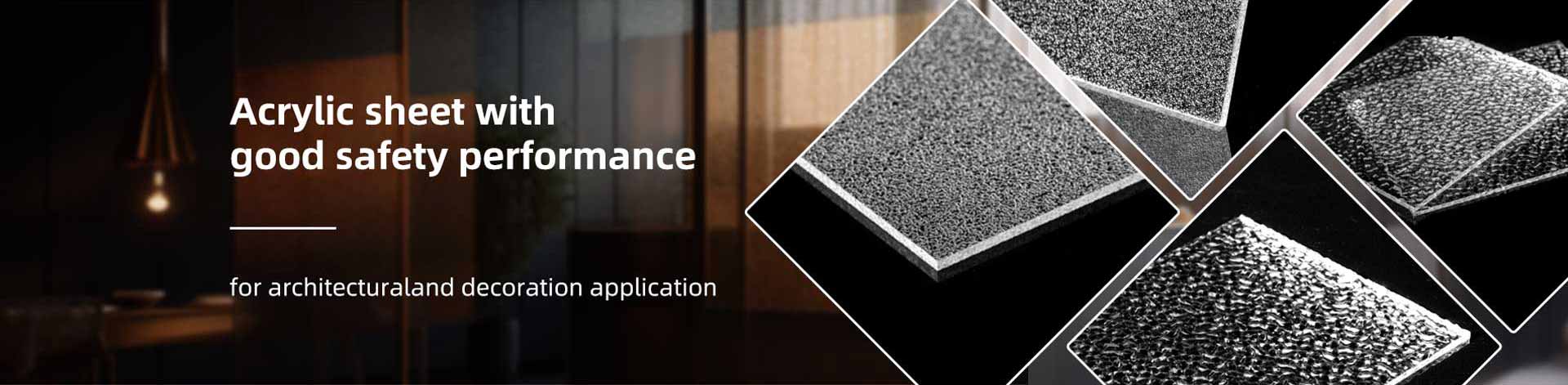
Frosted acrylic diffuser sheets create soft light diffusion through surface texture, while opal acrylic sheets achieve uniform illumination through internal diffusion. The better option depends on lighting design requirements.
Frosted acrylic diffuser sheet and opal acrylic sheet are two commonly used acrylic optical materials for LED lighting applications. Both solutions help reduce glare, hide LED hotspots, and create comfortable illumination, but they achieve light diffusion in different ways.
Frosted acrylic diffuser sheets use a textured or matte surface treatment to scatter incoming light. The surface structure changes how light passes through the sheet, creating a soft visual effect.
Opal acrylic sheets use diffusion particles distributed throughout the acrylic material. These particles scatter light internally, creating more consistent brightness across the entire panel.
From a manufacturing perspective, choosing between frosted acrylic diffuser sheet and opal acrylic sheet depends on light uniformity requirements, transmission efficiency, appearance goals, and fixture structure.
Frosted acrylic diffuser sheet creates diffusion through surface texture and controlled light scattering.
The matte surface reduces direct reflections and softens concentrated LED light. This helps reduce harsh brightness and creates a comfortable viewing experience.
Key advantages of frosted acrylic diffuser sheets include:
Smooth surface appearance
Reduced direct glare
Decorative visual effects
Good light transmission balance
Flexible design possibilities
frosted acrylic sheets are often used in decorative lighting, architectural applications, privacy panels, and LED fixtures where surface appearance is an important design element.
Opal acrylic sheet improves light diffusion through internal optical scattering.
The material contains diffusion elements that distribute light as it passes through the sheet. This allows the sheet to hide LED points and create a more evenly illuminated surface.
Opal acrylic sheets are commonly selected for:
LED panel lights
Ceiling light covers
Light boxes
Commercial lighting fixtures
Backlit displays
The internal diffusion structure provides consistent brightness even when LED sources are arranged closely behind the sheet.
Opal acrylic sheet generally provides better light uniformity for applications requiring consistent brightness across large areas.
Because diffusion occurs throughout the material, opal acrylic can distribute light more evenly and reduce visible differences between LED positions.
Frosted acrylic diffuser sheet provides excellent visual softness but relies more on surface scattering. Its performance may vary depending on texture design, thickness, and LED distance.
| Comparison | Frosted Acrylic Diffuser Sheet | Opal Acrylic Sheet |
|---|---|---|
| Diffusion method | Surface texture | Internal diffusion particles |
| Light uniformity | Very good | Excellent |
| Glare reduction | Excellent | Excellent |
| Surface appearance | Matte texture | Smooth appearance |
| LED hotspot hiding | Good | Excellent |
| Decorative effect | Excellent | Good |
| Large-area lighting | Good | Excellent |
The light transmission of both materials depends on thickness, haze level, and optical formulation.
Frosted acrylic diffuser sheets can maintain high transparency while creating a soft surface effect. They are suitable when designers want both light diffusion and a visible textured appearance.
Opal acrylic sheets usually provide stronger diffusion but may reduce direct light transmission because more light is scattered inside the material.
For projects requiring maximum brightness, manufacturers often adjust diffusion levels to achieve the right balance between transmission and uniformity.
Opal acrylic sheet is usually preferred for LED panel lights because these products require high uniformity and effective LED concealment.
LED panel lighting needs diffuser materials that can:
Eliminate visible LED points
Create even brightness
Reduce uncomfortable glare
Maintain consistent appearance
Support long-term optical performance
Frosted acrylic diffuser sheets are more commonly used when lighting design requires a decorative surface effect combined with diffusion performance.
Applications include:
Interior decorative lighting
Architectural partitions
Customized light fixtures
Display and signage lighting
Frosted acrylic diffuser sheets often provide stronger decorative value because of their unique surface appearance.
The matte texture can create a premium visual effect while maintaining light diffusion. This makes frosted acrylic suitable for modern interior design, retail spaces, and customized lighting projects.
Opal acrylic sheets focus more on functional illumination. Their smooth appearance and consistent diffusion make them suitable for professional lighting products where uniform brightness is the priority.
Professional lighting manufacturers usually consider several factors before selecting acrylic diffuser materials.
Projects requiring maximum uniformity usually select opal acrylic sheets because internal diffusion provides stable light distribution.
Projects focusing on appearance and surface design may choose frosted acrylic diffuser sheets.
Commercial lighting systems often prioritize optical consistency, while decorative projects may require unique surface effects.
The distance between LED sources and the diffuser material affects the final lighting result. Opal acrylic is often effective for compact LED arrangements because it helps hide hotspots.
Thickness, haze level, surface finish, and processing methods all influence the final material selection. Experienced Optical Plastic manufacturers evaluate the complete lighting structure before recommending a suitable acrylic solution.
Frosted acrylic diffuser sheet is the better choice when lighting projects require decorative appearance, soft visual effects, and surface texture.
Opal acrylic sheet is the better choice when applications require maximum light uniformity, LED concealment, and consistent illumination.
For LED panel lights, commercial fixtures, and large-area lighting systems, opal acrylic sheets usually provide stronger diffusion performance. For decorative lighting and architectural designs, frosted acrylic diffuser sheets offer greater visual flexibility.
As an optical plastic manufacturer, Kunxin provides customized acrylic diffuser solutions for LED lighting applications, supporting different requirements in diffusion performance, thickness, surface treatment, and optical design.