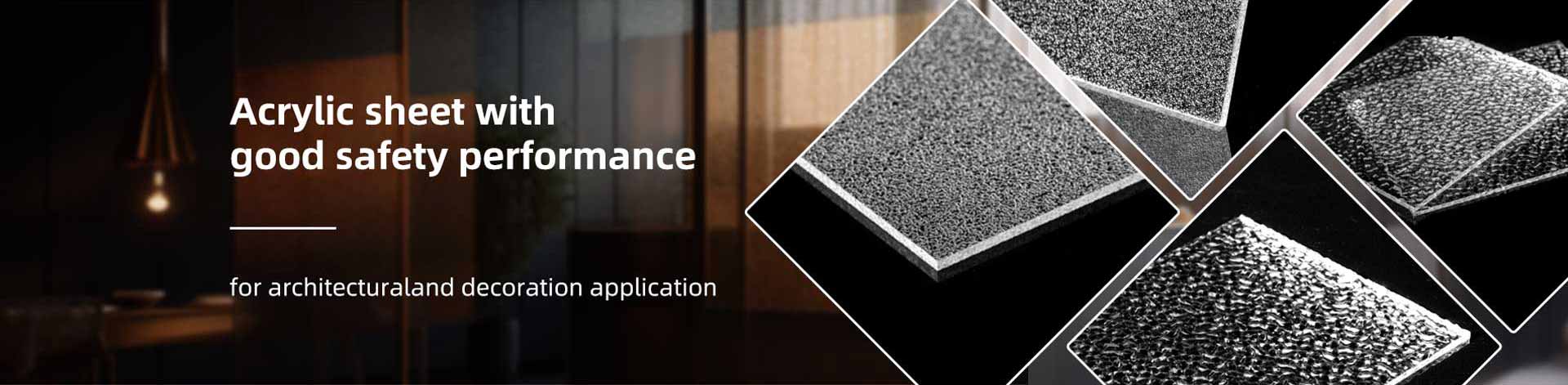
acrylic sheets provide better optical stability and surface appearance, while polycarbonate sheets offer stronger impact resistance and durability. The suitable choice depends on application conditions and performance priorities.
Acrylic sheet and polycarbonate sheet are two widely used plastic materials for optical, lighting, architectural, and industrial applications. Both materials provide lightweight structures and design flexibility, but their long-term performance characteristics are different.
Acrylic sheet, also known as PMMA sheet, is valued for its excellent transparency, UV resistance, weather stability, and premium surface appearance. It is widely used in LED lighting components, displays, decorative panels, and optical applications.
Polycarbonate sheet, also known as PC sheet, is an engineering plastic recognized for its exceptional toughness, impact resistance, and heat stability. It is commonly used in environments where mechanical protection is required.
From a manufacturer’s perspective, long-term material selection requires evaluating environmental exposure, mechanical requirements, optical performance, and expected service life.
Acrylic sheet generally provides better long-term optical stability.
Acrylic maintains excellent transparency and color stability over extended periods, especially in applications exposed to light and weather conditions.
Its advantages include:
Excellent UV resistance
Stable optical clarity
Low yellowing tendency
Premium surface appearance
Consistent light transmission
This makes acrylic suitable for applications where visual quality must remain stable over years of use.
Polycarbonate also provides good optical performance, but long-term exposure to UV radiation may require additional protection depending on the application environment.
Polycarbonate sheet provides better mechanical durability than acrylic sheet.
Polycarbonate has excellent impact resistance and can withstand stronger external forces without cracking easily. This makes it suitable for applications exposed to vibration, impact, or heavy usage.
Typical applications include:
Industrial protection panels
Safety covers
Outdoor structures
High-impact lighting fixtures
Transportation applications
Acrylic has good rigidity and surface hardness but is more brittle when exposed to strong impact.
Both acrylic and polycarbonate can be used outdoors, but they offer different advantages.
Acrylic sheet provides excellent weather resistance and maintains its appearance under outdoor conditions. It performs well in applications where transparency and surface quality are important.
Polycarbonate sheet provides stronger physical protection and better resistance to impact from external conditions.
| Comparison | Acrylic Sheet | Polycarbonate Sheet |
|---|---|---|
| Optical clarity | Excellent | Very good |
| UV resistance | Excellent | Good |
| Impact resistance | Good | Excellent |
| Weather resistance | Excellent | Good |
| Heat resistance | Good | Excellent |
| Surface appearance | Premium | Good |
| Long-term transparency | Excellent | Good with protection |
Acrylic sheet is often preferred for LED lighting applications requiring stable optical performance.
LED lighting products need materials that can maintain:
Light transmission efficiency
Uniform illumination
Low visual distortion
Consistent appearance
Acrylic diffuser sheets and optical components provide excellent light control and maintain visual quality during long-term operation.
Polycarbonate sheet is suitable for lighting applications where stronger protection and heat resistance are more important.
Yes, temperature conditions can influence the lifespan of plastic sheets.
Polycarbonate performs better in high-temperature environments because of its stronger thermal stability.
Acrylic performs well under normal operating conditions and maintains excellent optical properties when properly designed for the application.
For high-power LED systems, industrial environments, or applications with frequent temperature changes, polycarbonate may provide additional reliability.
Acrylic sheet often requires less maintenance when appearance and transparency are important.
Its smooth surface and excellent weather resistance help maintain a clean visual appearance over long periods.
Polycarbonate provides stronger mechanical protection but may require additional surface protection in certain environments to maintain optical quality.
The best choice depends on whether maintenance priorities focus on appearance or physical durability.
Professional manufacturers evaluate several factors before selecting acrylic or polycarbonate sheets.
Indoor applications often prioritize optical quality and appearance.
Outdoor and industrial applications may require stronger impact protection.
Projects requiring transparency, brightness, and premium appearance often choose acrylic.
Projects requiring strength, safety, and heat resistance often choose polycarbonate.
Long-term applications require materials that maintain their key properties over time.
Manufacturers consider:
UV exposure
Temperature changes
Mechanical stress
Cleaning requirements
Optical performance
Cutting, forming, polishing, surface treatment, and thickness requirements also influence material selection.
Experienced plastic manufacturers evaluate the complete application instead of selecting materials based on a single specification.
Acrylic sheet is the better choice when long-term applications require excellent optical stability, UV resistance, and premium appearance.
Polycarbonate sheet is the better choice when long-term applications require maximum impact resistance, heat performance, and mechanical durability.
For LED lighting, optical components, and decorative applications, acrylic provides strong long-term visual performance. For industrial, protective, and high-impact environments, polycarbonate offers greater reliability.
As an Optical Plastic manufacturer, Kunxin provides customized acrylic and polycarbonate sheet solutions for different applications, supporting material selection, optical performance, surface design, and stable production requirements.