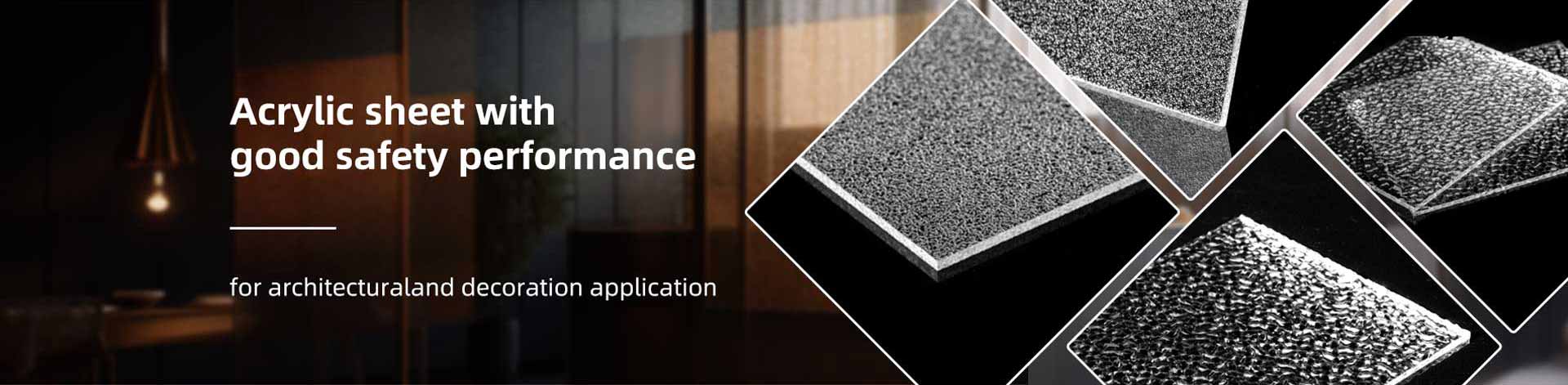
Optical acrylic sheets are manufactured with higher optical precision and consistency, while general acrylic sheets focus on standard transparency and appearance. The right choice depends on application requirements.
Optical acrylic sheet and general acrylic sheet are both made from PMMA material, but they are designed for different performance requirements.
General acrylic sheet is widely used for standard applications such as signage, decoration, displays, and protective panels. It provides good transparency, easy processing, and reliable physical performance.
Optical acrylic sheet is developed for applications requiring precise light transmission, controlled diffusion, and consistent optical performance. It is commonly used in LED lighting components, Light Guide Plates, optical covers, and advanced illumination systems.
From a manufacturing perspective, the main difference is not only the material itself but also the control of optical quality, surface accuracy, thickness consistency, and production standards.
Optical acrylic sheet is designed with stricter requirements for light management.
Compared with general acrylic sheet, optical acrylic sheet focuses on:
Higher light transmission consistency
Better optical clarity
Lower visual distortion
More precise thickness control
Improved light distribution performance
These characteristics allow optical acrylic sheets to guide, diffuse, or transmit light more effectively.
In LED applications, small differences in material quality can affect brightness efficiency, light uniformity, and the final visual effect.
Yes, optical acrylic sheet generally provides more consistent light transmission than general acrylic sheet.
Both materials can offer high transparency, but optical acrylic is produced with tighter control over:
Material purity
Internal structure
Surface quality
Thickness tolerance
This helps reduce optical loss and maintain stable light output.
For applications such as LED light guide plates and diffuser systems, optical acrylic provides better performance because light needs to travel through the material in a controlled way.
General acrylic sheet provides good transparency but is mainly designed for appearance, fabrication, and structural applications.
Typical uses include:
Advertising signs
Display panels
Interior decoration
Protective covers
Decorative products
These applications usually do not require precise optical control.
General acrylic remains a reliable material choice when basic transparency, easy processing, and cost efficiency are the main considerations.
LED lighting requires precise control of how light travels through materials.
Optical acrylic sheet helps manufacturers achieve:
Higher brightness efficiency
Better light uniformity
Reduced light loss
Improved visual comfort
Consistent lighting appearance
Common applications include:
LED light guide plates
LED diffuser sheets
Panel light components
Architectural lighting
Display illumination
General acrylic sheet may transmit light, but it does not always provide the optical precision required for advanced lighting systems.
Optical acrylic sheet generally provides better surface quality because it is manufactured under stricter production controls.
Surface quality affects:
Light reflection
Light transmission
Visual appearance
Optical consistency
For lighting products, surface defects or unevenness can affect the final illumination effect.
General acrylic sheet provides good surface quality for normal applications but may not meet the requirements of precision optical products.
| Comparison | Optical Acrylic Sheet | General Acrylic Sheet |
|---|---|---|
| Optical precision | Excellent | Good |
| Light transmission consistency | Excellent | Good |
| Thickness control | Higher | Standard |
| Surface quality | Premium | Good |
| Light guide applications | Excellent | Limited |
| Decorative applications | Suitable | Excellent |
| Cost level | Higher | Lower |
Optical acrylic sheet is commonly selected for applications where light performance directly affects product quality.
Typical applications include:
Optical acrylic helps control brightness, diffusion, and light distribution.
The material needs to transmit and guide light efficiently without excessive loss.
Optical consistency is important for maintaining clear and uniform illumination.
High-quality lighting effects require reliable optical materials.
General acrylic sheet is suitable when optical precision is not the main requirement.
It provides advantages such as:
Lower material cost
Easy fabrication
Good transparency
Flexible design options
For decorative panels, signage, and general transparent structures, general acrylic provides sufficient performance.
Professional manufacturers evaluate several factors before selecting acrylic materials.
If the product requires light control and optical performance, optical acrylic is usually preferred.
If the product mainly requires transparency and appearance, general acrylic may be suitable.
LED systems require precise optical properties, making optical acrylic more suitable.
Decorative products may only require standard acrylic performance.
Material selection should consider:
Thickness tolerance
Surface quality
Processing methods
Optical performance
Final product requirements
Applications requiring consistent lighting output over long periods benefit from optical acrylic’s higher stability.
Optical acrylic sheet is the better choice for LED lighting, optical components, and applications requiring precise light control.
General acrylic sheet is the better choice for standard transparent applications where cost efficiency and easy processing are more important.
For professional lighting systems, optical acrylic provides stronger advantages in light transmission, uniformity, and consistency. For decorative and general applications, standard acrylic remains a practical and economical solution.
As an Optical Plastic manufacturer, Kunxin provides customized acrylic sheet solutions, including optical acrylic sheets and diffuser materials designed for LED lighting, display, and optical applications.