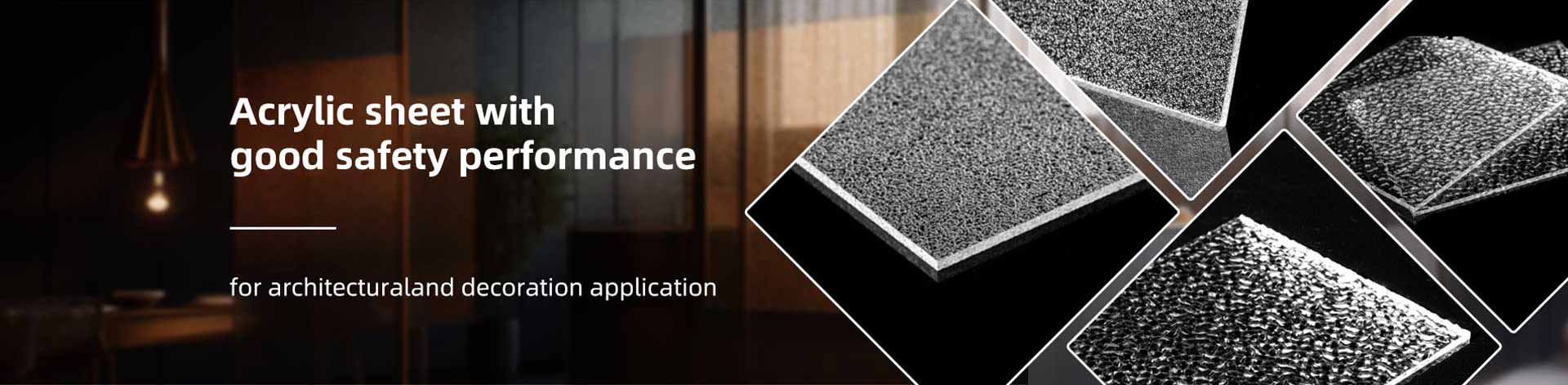
Anti-glare acrylic sheets provide stronger control of reflected light and brightness, while frosted acrylic sheets create softer diffusion through surface texture. The better choice depends on visual comfort requirements and application goals.
Anti glare acrylic sheet and frosted acrylic sheet are two surface-treated acrylic solutions designed to improve visual comfort. Both materials reduce harsh light effects, but they work through different optical principles.
Frosted acrylic sheet creates a matte appearance by adding a textured surface. This surface scatters light and reduces transparency, producing a soft visual effect.
Anti glare acrylic sheet is designed to reduce reflected glare from lighting sources and surrounding environments. It uses specialized surface treatment technology to minimize unwanted reflections and improve viewing comfort.
From a manufacturing perspective, selecting between anti glare acrylic and frosted acrylic requires evaluating lighting conditions, viewing angles, application environment, and desired appearance.
Frosted acrylic sheet improves visual comfort through surface diffusion.
The textured surface breaks up direct light transmission and reduces harsh brightness. This creates a softer appearance that is widely used in decorative and architectural applications.
Key advantages include:
Soft matte appearance
Reduced direct light intensity
Improved privacy effect
Decorative surface texture
Comfortable visual experience
frosted acrylic sheets are commonly used for:
Interior partitions
Decorative lighting panels
Privacy screens
Display applications
Architectural designs
Anti glare acrylic sheet reduces glare by controlling reflected light.
Unlike traditional frosted surfaces that mainly scatter transmitted light, anti glare treatment focuses on reducing reflections from the surface.
This helps minimize:
Bright reflections
Visual discomfort
Screen reflections
Strong light interference
Anti glare acrylic sheets are commonly used in applications where viewers need to observe the surface for extended periods.
Typical applications include:
Display covers
Control panels
Office lighting components
Commercial displays
Professional equipment panels
The better choice depends on the source of visual discomfort.
Anti glare acrylic sheet generally provides better performance when glare comes from reflected light sources.
Frosted acrylic sheet provides better performance when the goal is creating soft, diffused illumination.
| Comparison | Anti Glare Acrylic Sheet | Frosted Acrylic Sheet |
|---|---|---|
| Main function | Reduce reflection glare | Scatter transmitted light |
| Surface effect | Low reflection | Matte texture |
| Visual comfort | Excellent | Very good |
| Light diffusion | Good | Excellent |
| Transparency | Higher | Lower |
| Decorative effect | Moderate | Excellent |
| Common use | Displays and professional applications | Decorative and architectural applications |
Frosted acrylic sheet generally provides stronger light diffusion.
The textured surface spreads incoming light in multiple directions, creating a softer and more uniform appearance.
This makes frosted acrylic suitable for lighting applications where designers want:
Soft illumination
Reduced brightness contrast
Decorative effects
Improved privacy
Anti glare acrylic sheet focuses more on controlling surface reflections rather than maximizing diffusion.
The choice depends on the LED product design.
Frosted acrylic sheet is commonly used for LED lighting covers because it helps hide LED points and create comfortable illumination.
Applications include:
LED light covers
Decorative fixtures
Architectural lighting
Interior lighting systems
Anti glare acrylic sheet is more suitable when users directly view the surface and reflected light may affect visibility.
Applications include:
Display lighting
Interactive equipment
Office environments
Commercial products
Yes, anti glare acrylic can improve visibility in applications involving screens or displayed information.
Reflected light from windows, lamps, and surrounding environments can reduce readability.
Anti glare treatment helps reduce these reflections and creates a clearer viewing experience.
This makes it suitable for:
Industrial control panels
Display protection panels
Electronic equipment covers
Commercial information displays
Frosted acrylic sheet is suitable when the main goal is soft light diffusion and decorative appearance.
Typical selection factors include:
Need for matte appearance
Requirement for privacy
Desire for soft illumination
Decorative design requirements
It is often selected for architectural and interior applications where appearance is as important as functionality.
Anti glare acrylic sheet is suitable when reflection control and viewing comfort are the priority.
Typical selection factors include:
Strong ambient lighting
Direct viewing requirements
Need for reduced reflection
Professional display environments
It helps maintain clearer visibility in challenging lighting conditions.
Professional manufacturers evaluate several factors before selecting surface-treated acrylic sheets.
Bright environments with strong reflections often require anti glare solutions.
Decorative lighting environments may benefit from frosted surfaces.
Applications requiring long viewing periods usually prioritize reflection control.
Applications focused on appearance may prioritize surface texture.
Manufacturers consider:
Light transmission
Diffusion level
Reflection control
Surface finish
Required visual effect
The final choice depends on whether the product needs better illumination, better visibility, or improved decorative appearance.
Experienced acrylic manufacturers evaluate the complete application before recommending the appropriate surface treatment.
Anti glare acrylic sheet is the better choice when applications require reduced reflection, improved visibility, and professional visual comfort.
Frosted acrylic sheet is the better choice when applications require soft diffusion, decorative appearance, and comfortable illumination.
For displays, control panels, and professional viewing environments, anti glare acrylic provides stronger advantages. For LED lighting covers, architectural designs, and decorative applications, frosted acrylic remains an excellent solution.
As an Optical Plastic manufacturer, Kunxin provides customized acrylic sheet solutions, including anti glare acrylic sheets, frosted acrylic sheets, and optical materials designed for different lighting and visual applications.