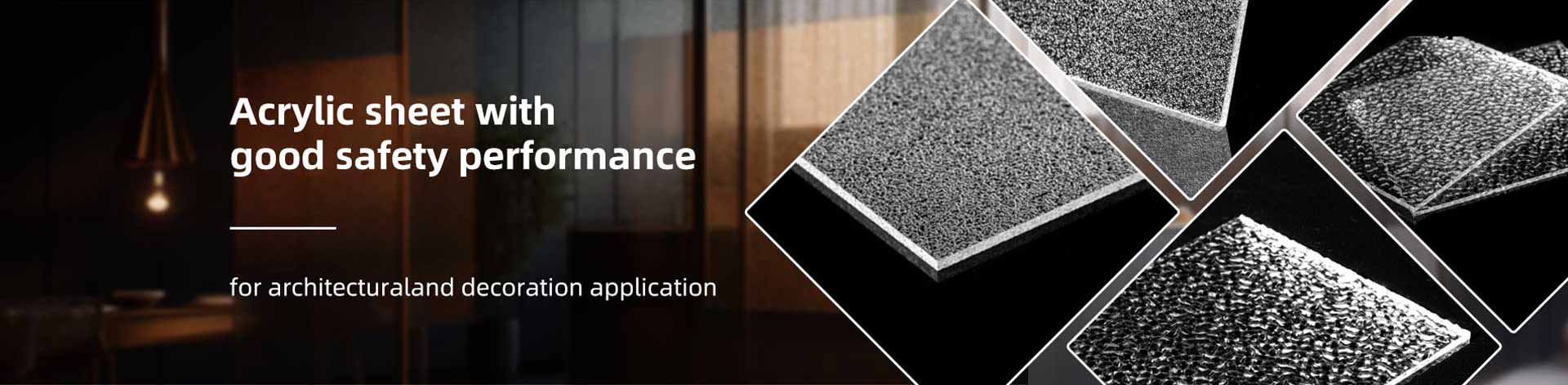
Light diffuser sheets improve light uniformity through diffusion, while anti-glare sheets reduce uncomfortable brightness and reflections. The right choice depends on lighting goals, user comfort, and application requirements.
Light diffuser sheet and anti-glare sheet are two optical solutions commonly used in LED lighting systems. Both improve lighting quality, but they solve different visual challenges.
Light diffuser sheet is designed to scatter LED light evenly. It reduces visible hotspots, softens direct brightness, and creates a smoother illumination effect.
Anti-glare sheet focuses on controlling excessive brightness and reflections. It reduces uncomfortable glare caused by direct LED sources or reflected light from surrounding surfaces.
From a manufacturer’s perspective, lighting designers should select between these solutions based on the lighting environment, viewing conditions, fixture structure, and expected user experience.
Light diffuser sheet improves lighting performance by distributing concentrated LED light more evenly.
LED chips create strong point sources that may produce uneven brightness. A diffuser sheet uses optical particles or surface structures to scatter light and create a balanced illumination surface.
The main benefits include:
Reducing LED hotspots
Improving brightness uniformity
Creating softer illumination
Enhancing visual comfort
Supporting different LED layouts
Light diffuser sheets are widely used in:
LED panel lights
Ceiling fixtures
Commercial lighting
Decorative lighting
Backlit applications
They are suitable when the main objective is achieving smooth and consistent illumination.
Anti-glare sheet improves visual comfort by controlling unwanted brightness and reflections.
Unlike standard diffuser sheets that mainly spread light, anti-glare sheets are designed to reduce direct glare entering the viewer’s eyes.
The key advantages include:
Lower reflected glare
Reduced visual discomfort
Improved viewing experience
Better screen visibility
More controlled light output
Anti-glare sheets are commonly used in environments where people interact with lighting or displays for extended periods.
Typical applications include:
Office lighting
Display equipment
Control panels
Commercial environments
Professional lighting systems
Anti-glare sheet generally provides better glare control than light diffuser sheet.
Light diffuser sheets reduce glare indirectly by scattering light and lowering visible brightness differences.
Anti-glare sheets directly target glare problems by controlling reflection and light direction.
| Comparison | Light Diffuser Sheet | Anti-Glare Sheet |
|---|---|---|
| Main function | Light diffusion | Glare reduction |
| LED hotspot reduction | Excellent | Good |
| Reflection control | Moderate | Excellent |
| Light uniformity | Excellent | Very good |
| Visual comfort | Very good | Excellent |
| Application focus | General lighting | Professional viewing environments |
Light diffuser sheet usually provides better light uniformity.
Its primary purpose is to spread light across the surface and eliminate uneven brightness caused by LED spacing.
This makes diffuser sheets ideal for:
Large-area LED panels
Ceiling lighting
Uniform illumination systems
Anti-glare sheets can improve visual comfort but may not provide the same level of diffusion unless combined with other optical layers.
The choice depends on office lighting requirements.
Office environments require a balance between brightness and visual comfort. Lighting designers need to consider:
Working hours
Screen usage
Viewing angles
Fixture position
Glare sensitivity
Light diffuser sheets are suitable when uniform ceiling illumination is the main requirement.
Anti-glare sheets are more suitable when employees directly view lighting fixtures or work near reflective surfaces such as computer screens.
For premium office lighting, a combination of diffusion and anti-glare technology may provide better results.
Yes, both solutions can be combined in advanced LED lighting systems.
A combined optical structure can provide:
LED light source
Optical guide layer
Diffuser sheet
Anti-glare surface layer
Each component performs a different role:
Diffuser sheet creates uniform brightness
Anti-glare sheet improves visual comfort
Optical layers improve light efficiency
This combination is commonly used in professional LED products requiring both appearance quality and user comfort.
The better solution depends on the application.
Light diffuser sheet is commonly selected for:
Retail lighting
Commercial ceiling lights
Large-area illumination
General indoor lighting
Anti-glare sheet is commonly selected for:
Offices
Schools
Healthcare facilities
Professional workspaces
Projects requiring long viewing periods usually place greater importance on glare control.
Professional lighting designers evaluate several factors before selecting optical materials.
If the goal is creating even illumination, diffuser sheets are usually preferred.
If the goal is reducing discomfort caused by excessive brightness, anti-glare sheets are more suitable.
Different spaces have different visual requirements.
Offices require glare management
Retail spaces require attractive illumination
Decorative lighting focuses on appearance
Designers consider:
Light transmission
Diffusion level
Glare reduction
Viewing angle
Brightness efficiency
LED arrangement, installation height, and optical layer design influence the final material selection.
Experienced Optical Plastic manufacturers evaluate the complete lighting system to recommend suitable optical solutions.
Light diffuser sheet is the better choice when lighting projects require uniform illumination, reduced hotspots, and soft light distribution.
Anti-glare sheet is the better choice when lighting projects require improved visual comfort, reflection control, and reduced direct glare.
For LED panels, ceiling fixtures, and general lighting systems, diffuser sheets provide strong performance advantages. For offices, displays, and professional environments requiring long-term viewing comfort, anti-glare sheets provide additional benefits.
As an optical plastic manufacturer, Kunxin provides customized optical solutions, including diffuser sheets, anti-glare sheets, and LED optical materials designed for different lighting applications.