Optical Films improve LED panel efficiency by enhancing light extraction and brightness, while diffuser plates improve uniformity and visual comfort. The better choice depends on the lighting design requirements.
Optical film and diffuser plate are two important optical components used in LED panel lighting systems. Both improve lighting performance, but they achieve different results through different optical principles.
Optical film is a thin functional layer designed to optimize light transmission, enhance brightness, and improve optical efficiency. It can redirect or concentrate light to increase usable output.
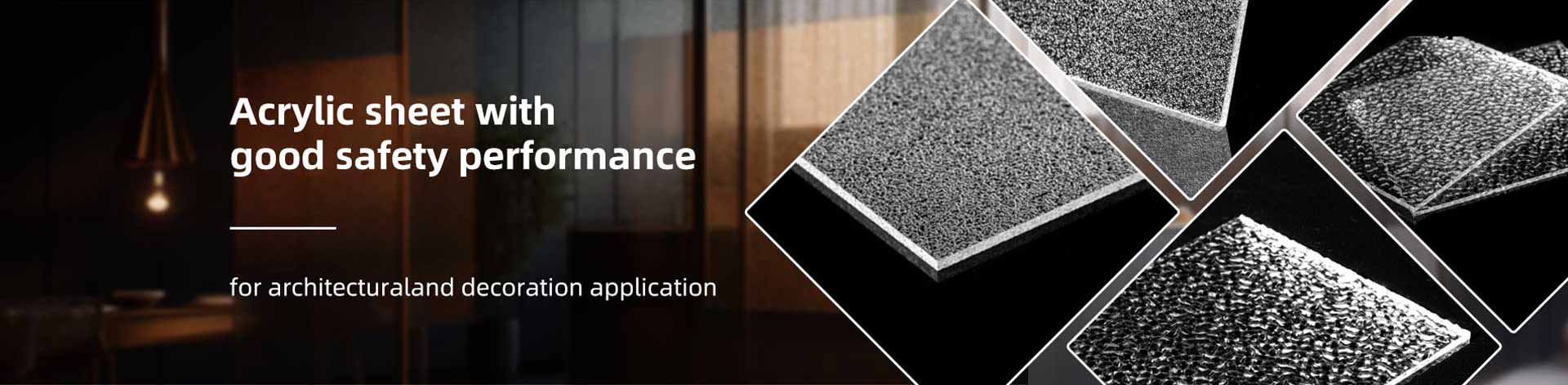
Diffuser plate is a rigid optical component designed to scatter LED light evenly. It reduces visible hotspots and creates a smooth illumination surface.
From a manufacturer’s perspective, selecting between optical film and diffuser plate requires evaluating LED structure, brightness requirements, uniformity goals, and product design limitations.
Optical film improves LED panel efficiency by controlling and enhancing light transmission.
In an LED panel structure, some light may be lost due to scattering, reflection, or inefficient light paths. Optical films help redirect light and improve the amount of usable illumination reaching the target area.
The main advantages include:
Improved brightness efficiency
Better light extraction
Reduced optical loss
Enhanced directional control
Support for thinner panel designs
Optical films are commonly used in:
Slim LED panels
Display lighting
Electronic devices
High-efficiency illumination systems
They are especially suitable for products where brightness improvement and compact design are important.
Diffuser plate improves LED panel performance by creating uniform light distribution.
LED chips or light guide structures can produce uneven brightness. A diffuser plate spreads light across the surface, reducing visible LED points and creating a more comfortable appearance.
The key benefits include:
Better light uniformity
Reduced hotspots
Improved visual comfort
Softer illumination
Stable surface brightness
Diffuser plates are widely used in:
Office LED panels
Ceiling lights
Commercial lighting fixtures
Architectural lighting systems
They are suitable for applications where consistent illumination quality is the priority.
Optical film generally provides stronger advantages for improving optical efficiency, while diffuser plate provides better control of light uniformity.
Optical film focuses on maximizing usable light output by redirecting and enhancing light.
Diffuser plate focuses on creating balanced illumination by spreading light evenly.
| Comparison | Optical Film | Diffuser Plate |
|---|---|---|
| Main function | Light enhancement | Light diffusion |
| Brightness improvement | Excellent | Good |
| Light uniformity | Good | Excellent |
| Optical efficiency | Excellent | Very good |
| Glare control | Good | Excellent |
| Thickness | Very thin | Thicker |
| Application focus | Efficiency optimization | Visual quality |
Optical film provides stronger advantages for slim LED panel designs.
Modern LED panels require thinner structures while maintaining high brightness. Optical films can improve light performance without adding significant thickness.
This makes them suitable for:
Thin ceiling panels
Ultra-slim LED products
Display lighting systems
Compact illumination products
Diffuser plates require more physical thickness but provide stronger structural support and better diffusion performance.
Diffuser plate generally provides better light uniformity than optical film.
The main purpose of a diffuser plate is to distribute light evenly across the output surface.
It helps reduce:
LED hotspots
Uneven brightness
Visible light patterns
Harsh illumination
Optical film can improve light distribution but usually requires combination with other optical layers to achieve the same level of diffusion.
Yes, optical film and diffuser plate are often combined in advanced LED panel designs.
A typical LED panel structure may include:
LED light source
Reflective layer
Optical film
Diffuser plate
Each component performs a different function:
Optical film improves brightness efficiency
Diffuser plate creates uniform illumination
light guide plate manages light transmission
This combination helps manufacturers achieve high brightness, good uniformity, and comfortable viewing.
The choice depends on office lighting goals.
Office LED panels require:
Comfortable illumination
Reduced glare
Balanced brightness
Long-term visual comfort
Diffuser plates are commonly used because they provide smooth and uniform lighting.
Optical films are used when higher efficiency and brighter output are required, especially in slim and high-performance LED systems.
Premium office lighting products often combine both technologies to achieve better overall performance.
Professional LED manufacturers evaluate several factors before selecting optical components.
Projects requiring maximum brightness efficiency may prioritize optical films.
Projects requiring smooth illumination may prioritize diffuser plates.
Manufacturers consider:
Available installation space
LED arrangement
Light guide design
Required thickness
Optical layer combination
Lighting products must balance:
Brightness
Uniformity
Glare control
Energy efficiency
Material consistency, optical quality, processing capability, and assembly methods influence the final selection.
Experienced Optical Plastic manufacturers evaluate the complete LED system before recommending the appropriate solution.
Optical film is the better choice when LED panels require higher brightness efficiency, improved light extraction, and thinner designs.
Diffuser plate is the better choice when LED panels require uniform illumination, reduced hotspots, and better visual comfort.
For high-performance slim LED panels, optical films provide strong efficiency advantages. For commercial lighting products requiring comfortable and consistent illumination, diffuser plates remain an essential optical solution.
As an optical plastic manufacturer, Kunxin provides customized LED optical solutions, including diffuser plates, optical sheets, and related materials designed for different lighting performance requirements.