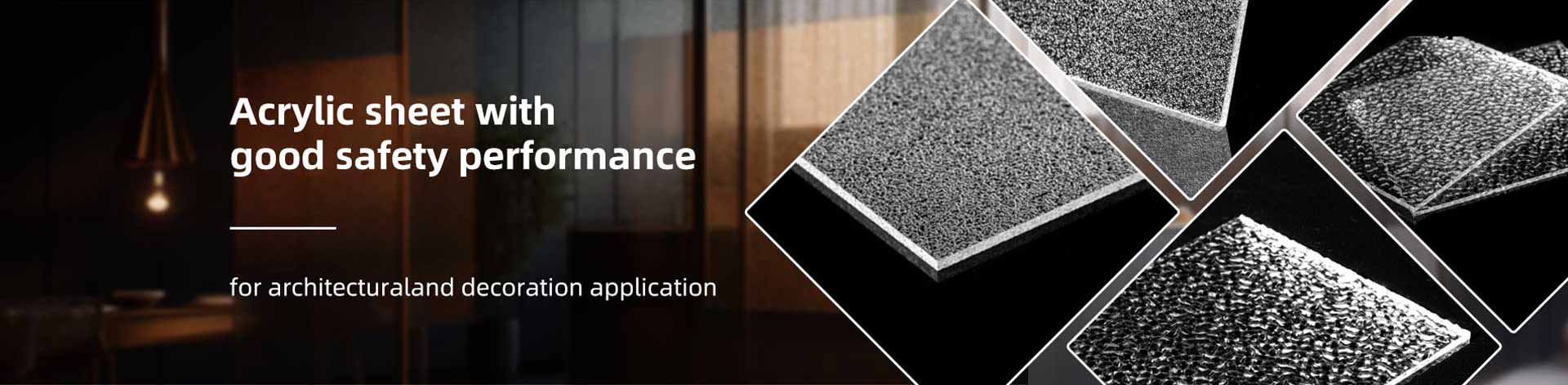
Diffusion sheets control light uniformity, while reflective films improve light utilization by redirecting wasted light. Both components serve different functions in LED optical systems and are often used together.
Diffusion sheet and reflective film are two important optical components used in LED lighting systems. Although both improve LED performance, they solve different optical challenges.
Diffusion sheet is designed to scatter light evenly. It reduces LED hotspots, softens brightness, and creates a more uniform illumination surface.
Reflective film is designed to reflect unused light back into the optical system. It improves light efficiency by redirecting scattered or escaping light toward the output area.
From a manufacturer’s perspective, diffusion sheets and reflective films are not competing materials. They work together in many LED designs to achieve better brightness, uniformity, and optical efficiency.
Diffusion sheet improves LED lighting quality through controlled light scattering.
LED sources often create concentrated brightness points. Without proper diffusion, users may see uneven illumination or uncomfortable light patterns.
Diffusion sheets help by:
Spreading concentrated LED light
Reducing visible hotspots
Improving surface brightness uniformity
Creating softer illumination
Enhancing visual comfort
Common applications include:
LED panel lights
Ceiling lighting
Commercial fixtures
Backlighting systems
Architectural illumination
The main goal of a diffusion sheet is not increasing brightness, but improving the quality and uniformity of emitted light.
Reflective film improves LED efficiency by recovering light that would otherwise be lost.
Inside an LED optical structure, some light travels in unwanted directions. Reflective film redirects this light back toward the output surface, increasing the amount of usable illumination.
The main advantages include:
Improved light extraction
Reduced optical loss
Increased brightness efficiency
Better energy utilization
Enhanced optical system performance
Reflective films are commonly used in:
LED backlight systems
Light Guide Plate structures
Slim LED panels
Display illumination systems
The primary purpose of reflective film is improving efficiency rather than controlling surface appearance.
Diffusion sheet and reflective film perform different functions within LED optical systems.
A diffusion sheet manages the quality of outgoing light.
A reflective film manages the light inside the optical structure.
| Comparison | Diffusion Sheet | Reflective Film |
|---|---|---|
| Main function | Light scattering | Light reflection |
| Primary goal | Uniform illumination | Improve efficiency |
| Optical role | Controls output light | Recovers lost light |
| Hotspot reduction | Excellent | Limited |
| Brightness improvement | Moderate | Excellent |
| Visual comfort | Excellent | Indirect improvement |
| Position in system | Output layer | Internal optical layer |
Reflective film generally provides a stronger effect on brightness improvement.
By reflecting unused light back into the optical path, reflective film helps increase light output efficiency.
Diffusion sheet may slightly affect brightness because some light is scattered, but its main value is creating a more comfortable and uniform appearance.
High-performance LED systems often combine reflective films with diffusion sheets to balance efficiency and visual quality.
Diffusion sheet provides better light uniformity.
The main function of a diffusion sheet is distributing light evenly across the visible surface.
It helps reduce:
Brightness differences
LED visibility
Uneven illumination
Harsh light effects
Reflective film improves internal light management but does not directly create the final visible uniformity.
Yes, diffusion sheet and reflective film are commonly combined in advanced LED optical designs.
A typical LED optical structure may include:
LED light source
Reflective film
Optical enhancement layer
Diffusion sheet
Each component contributes differently:
Reflective film improves light efficiency
Light guide plate controls transmission
Diffusion sheet creates uniform illumination
This combination allows LED manufacturers to achieve higher brightness while maintaining comfortable lighting quality.
Both components are important, but their importance depends on the design goal.
For high-efficiency LED panels:
Reflective film improves optical output
Diffusion sheet improves user experience
A panel without reflective optimization may lose valuable light energy.
A panel without proper diffusion may show uneven brightness or visible LED patterns.
Professional LED manufacturers usually evaluate the complete optical system rather than selecting only one component.
Manufacturers consider several factors before selecting optical materials.
If the priority is improving brightness efficiency, reflective film is important.
If the priority is achieving smooth illumination, diffusion sheet is required.
Selection depends on:
LED arrangement
Light guide plate structure
Panel thickness
Optical layer combination
Different applications require different optical priorities:
Offices require visual comfort
Displays require brightness efficiency
Commercial lighting requires both performance and appearance
Optical material quality, thickness consistency, surface performance, and assembly accuracy affect the final LED performance.
Experienced Optical Plastic manufacturers evaluate the complete system to recommend suitable optical solutions.
Diffusion sheet is the better choice when LED systems require uniform illumination, reduced hotspots, and improved visual comfort.
Reflective film is the better choice when LED systems require higher brightness efficiency, better light utilization, and reduced optical loss.
In advanced LED optical systems, these two components often work together rather than replace each other. Reflective film improves internal light efficiency, while diffusion sheet improves final lighting quality.
As an optical plastic manufacturer, Kunxin provides customized optical solutions, including diffuser sheets, optical sheets, and LED-related materials designed for different lighting system requirements.