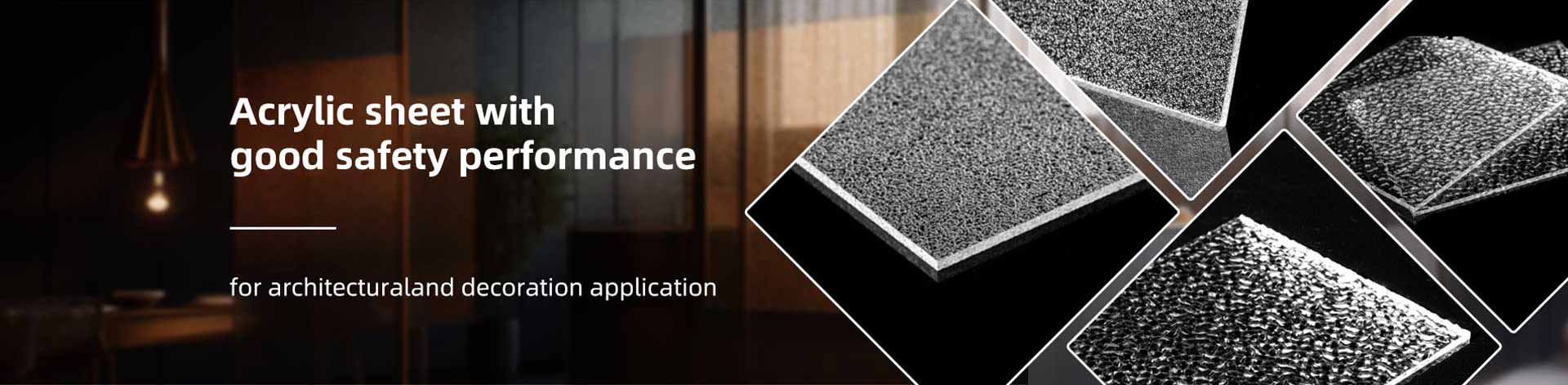
PMMA Light Guide Plates provide better optical clarity and light efficiency, while PC light guide plates offer stronger durability and heat resistance. The right choice depends on LED display performance requirements.
PMMA light guide plate and PC light guide plate are two optical solutions used in LED display and illumination systems. Both materials help distribute LED light evenly, but their material characteristics create different performance advantages.
PMMA light guide plate, also known as acrylic light guide plate, is widely used in LED displays because of its excellent transparency, high light transmission, and optical stability.
PC light guide plate, made from polycarbonate, is an engineering plastic solution known for its toughness, impact resistance, and temperature performance.
From a manufacturer’s perspective, material selection for LED displays requires balancing optical performance, durability, processing requirements, and application environment.
PMMA light guide plate improves LED display performance through superior optical transmission.
PMMA has excellent transparency and low optical loss, allowing light to travel efficiently through the guide plate. This helps LED displays achieve brighter and more uniform illumination.
The main advantages include:
High light transmission
Excellent optical clarity
Better brightness efficiency
Stable light distribution
Premium visual quality
PMMA light guide plates are commonly used in:
LED display panels
Commercial displays
Edge-lit display systems
Advertising light boxes
Thin illumination products
For display applications where image brightness and visual quality are important, PMMA provides strong optical advantages.
PC light guide plate focuses on durability and environmental resistance.
Polycarbonate provides stronger mechanical properties than PMMA, making it suitable for applications where displays may experience impact, vibration, or higher operating temperatures.
The main advantages include:
Excellent impact resistance
Better heat stability
Higher toughness
Stronger structural protection
Reliable performance in demanding environments
PC light guide plates are commonly used in:
Industrial displays
Outdoor display systems
Transportation equipment
High-temperature applications
PMMA light guide plate generally provides better light transmission than PC light guide plate.
The optical clarity of PMMA allows more efficient light transfer with lower visual distortion.
This helps LED displays achieve:
Higher brightness
Better color appearance
Improved illumination efficiency
More consistent display quality
PC provides good transparency, but its main advantages are related to mechanical strength rather than maximum optical performance.
| Comparison | PMMA Light Guide Plate | PC Light Guide Plate |
|---|---|---|
| Light transmission | Excellent | Very good |
| Optical clarity | Excellent | Good |
| Brightness efficiency | Excellent | Good |
| Impact resistance | Good | Excellent |
| Heat resistance | Good | Excellent |
| Surface appearance | Premium | Good |
| Application focus | Optical performance | Durability performance |
PMMA light guide plates often provide better light uniformity for LED displays.
The optical performance of PMMA allows manufacturers to create precise light guide structures, including:
Laser dot patterns
Printed optical designs
Micro optical structures
These designs help distribute LED light evenly across the display surface.
PC light guide plates can also achieve good uniformity, especially when durability is a key requirement.
PC light guide plate generally performs better under high temperatures.
LED displays may generate heat during continuous operation. Polycarbonate maintains better structural stability when exposed to elevated temperatures.
PMMA performs well in standard LED display environments where proper thermal management is available.
For outdoor displays, industrial equipment, and high-power LED systems, PC may provide additional reliability.
The better material depends on the operating environment.
PMMA light guide plates provide:
Stable optical clarity
Long-term brightness performance
Excellent visual appearance
PC light guide plates provide:
Strong mechanical durability
Better impact protection
Higher temperature resistance
Manufacturers usually evaluate:
Display location
Operating temperature
Impact risk
Required brightness
Expected service life
before selecting the appropriate material.
The basic optical principles are similar, but material properties affect the final design.
Important factors include:
Refractive index
Light transmission rate
Material thickness
Optical pattern structure
Manufacturing process
An optical design optimized for PMMA may require adjustments when using PC because the materials handle light differently.
Professional optical manufacturers optimize the structure according to the selected material.
Professional LED display manufacturers evaluate several factors before selecting materials.
When brightness, transparency, and visual quality are the priority, PMMA light guide plates are commonly selected.
When displays face impact, vibration, or high temperatures, PC provides stronger advantages.
Manufacturers consider:
LED arrangement
Display thickness
Heat dissipation design
Installation environment
Material consistency, optical accuracy, surface quality, and processing methods influence final display performance.
Experienced Optical Plastic manufacturers evaluate the complete LED display system before recommending suitable materials.
PMMA light guide plate is the better choice for LED displays requiring excellent optical clarity, high brightness efficiency, and premium visual performance.
PC light guide plate is the better choice for LED displays requiring stronger impact resistance, higher temperature tolerance, and mechanical reliability.
For commercial displays, advertising panels, and applications focused on optical quality, PMMA provides stronger advantages. For industrial and demanding environments, PC offers greater durability.
As an optical plastic manufacturer, Kunxin provides customized light guide plate solutions, including PMMA and PC LGP products designed for different LED display and lighting requirements.