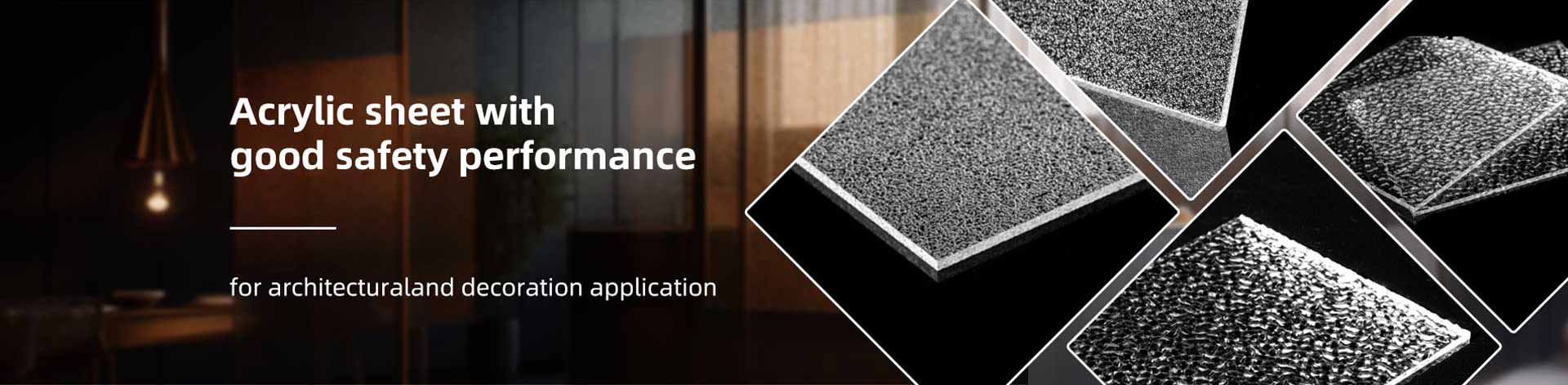
Optical acrylic plates guide and transmit light with high precision, while Acrylic Diffuser Plates scatter light to create uniform illumination. Both serve different functions in LED optical systems.
Optical acrylic plate and acrylic diffuser plate are both made from acrylic material, but they are designed for different lighting functions.
An optical acrylic plate focuses on controlling light transmission. It uses the excellent transparency and optical stability of acrylic to guide or transfer light efficiently.
An acrylic diffuser plate focuses on light scattering. It distributes concentrated LED light, reduces hotspots, and creates a softer illumination effect.
From a manufacturer’s perspective, these two products are not substitutes. They are designed for different positions in LED optical systems and are selected according to lighting performance requirements.
Optical acrylic plate manages the movement and transmission of light.
Because acrylic has excellent optical clarity and high light transmission, it can efficiently transfer light with minimal loss.
The main functions include:
Guiding LED light
Improving light transmission efficiency
Supporting optical designs
Maintaining brightness performance
Reducing optical distortion
Optical acrylic plates are commonly used in:
LED optical components
Display illumination systems
Backlighting applications
Precision lighting products
The optical performance of the plate directly affects brightness efficiency and light distribution quality.
Acrylic diffuser plate controls the final appearance of emitted light.
LED sources can create concentrated brightness points. A diffuser plate uses diffusion particles or surface structures to scatter light and create a more balanced output.
The main advantages include:
Reducing LED hotspots
Improving light uniformity
Softening direct brightness
Reducing visual discomfort
Creating comfortable illumination
Acrylic diffuser plates are commonly used in:
LED panel lights
Ceiling fixtures
Commercial lighting
Decorative lighting
Architectural illumination
The key difference is how they manage light.
Optical acrylic plate controls light movement inside the optical system.
Acrylic diffuser plate controls how light appears after leaving the optical structure.
| Comparison | Optical Acrylic Plate | Acrylic Diffuser Plate |
|---|---|---|
| Main function | Light transmission and control | Light scattering |
| Optical goal | Improve efficiency | Improve uniformity |
| Light behavior | Guides light | Spreads light |
| Transparency | Excellent | Controlled by diffusion level |
| Hotspot reduction | Limited | Excellent |
| Main application | Optical systems | Lighting output surfaces |
Optical acrylic plate provides better light transmission.
Its high transparency allows LED light to pass through efficiently with minimal loss. This makes it suitable for applications where brightness efficiency is critical.
Acrylic diffuser plate intentionally modifies light transmission through diffusion materials or surface structures. Some light energy is scattered to improve visual comfort.
For applications requiring maximum optical efficiency, optical acrylic plates provide stronger advantages.
Acrylic diffuser plate provides better light uniformity.
The main purpose of a diffuser plate is to distribute light evenly across the visible surface.
It helps reduce:
Uneven brightness
Visible LED points
Harsh illumination
Concentrated light areas
Optical acrylic plates can support uniform lighting when designed as light guide components, but their primary role is light management rather than final diffusion.
Yes, they are often combined in advanced LED lighting systems.
A typical LED optical structure may include:
LED light source
Reflective layer
Optical acrylic light guide component
Diffusion layer
Protective cover
Each component performs a different function:
Optical acrylic plate improves light transmission
Diffuser plate improves surface uniformity
Reflective layers reduce light loss
Combining different optical materials helps manufacturers achieve better brightness, uniformity, and visual comfort.
The choice depends on the role of the component.
Optical acrylic plates are suitable for:
Light guide systems
Slim LED panels
Display lighting
Optical modules
Acrylic diffuser plates are suitable for:
LED panel covers
Ceiling lights
Commercial fixtures
General illumination products
Premium LED panels often require both optical control and diffusion performance.
Professional LED manufacturers evaluate several factors before selecting optical materials.
If the goal is transferring and controlling light, optical acrylic plate is preferred.
If the goal is creating soft and uniform illumination, acrylic diffuser plate is more suitable.
Manufacturers consider:
LED arrangement
Optical layer design
Panel thickness
Required brightness
Installation environment
Important factors include:
Light transmission
Diffusion level
Surface quality
Optical consistency
Different products require different optical solutions:
Displays focus on brightness and clarity
Offices focus on comfort
Decorative lighting focuses on appearance
Experienced Optical Plastic manufacturers evaluate the complete lighting system before recommending materials.
Optical acrylic plate is the better choice when LED applications require efficient light transmission, optical control, and brightness performance.
Acrylic diffuser plate is the better choice when LED applications require uniform illumination, glare reduction, and comfortable lighting.
In many professional LED systems, these two products work together rather than replace each other. Optical acrylic plates manage how light moves, while diffuser plates improve how light is experienced by users.
As an optical plastic manufacturer, Kunxin provides customized acrylic optical solutions, including optical acrylic plates, diffuser plates, and LED optical materials designed for different lighting applications.