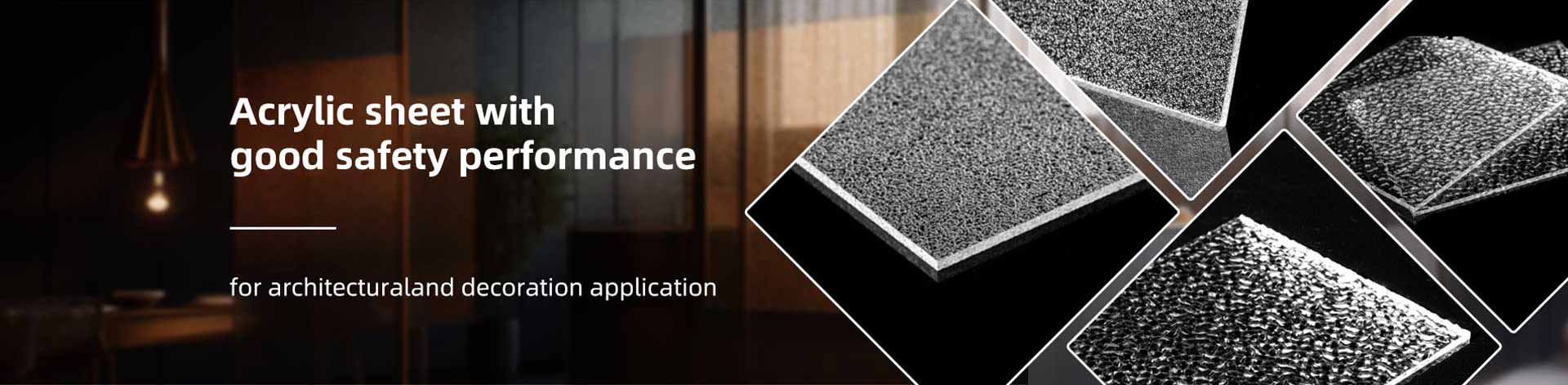
Textured Acrylic Sheets create decorative effects, privacy, and light diffusion, while smooth acrylic sheets provide clarity and a clean modern appearance. The better choice depends on interior design requirements.
textured acrylic sheet and smooth acrylic sheet are two popular materials used in interior decoration, furniture, lighting, and architectural applications. Both offer the lightweight and durable advantages of acrylic, but their surface designs create different visual effects.
Textured acrylic sheet features patterns or surface structures that modify light transmission and create decorative appearances.
Smooth acrylic sheet has a flat and clear surface that provides high transparency, simple aesthetics, and easy cleaning.
From a manufacturer’s perspective, choosing between textured and smooth acrylic sheets depends on the desired interior style, lighting effect, privacy level, and functional requirements.
Textured acrylic sheet adds visual depth and decorative value through surface patterns.
The textured surface changes how light interacts with the material, creating effects such as soft diffusion, shadows, and layered appearance.
The main advantages include:
Unique decorative appearance
Light diffusion effect
Improved privacy
Enhanced visual texture
Creative design flexibility
Textured acrylic sheets are commonly used in:
Interior partitions
Cabinet doors
Decorative wall panels
Lighting covers
Furniture components
Retail displays
They are suitable for designers who want acrylic materials to contribute to the overall atmosphere of a space.
Smooth acrylic sheet provides a clean and modern visual appearance.
Its flat surface allows maximum transparency and creates a bright, open feeling in interior spaces.
The main advantages include:
High transparency
Excellent optical clarity
Minimalist appearance
Easy surface maintenance
Flexible fabrication
Smooth acrylic sheets are commonly used in:
Transparent partitions
Furniture panels
Display cases
Protective covers
Modern interior elements
They are ideal for projects that require simplicity, brightness, and visual openness.
Textured acrylic sheet generally creates stronger decorative effects.
The surface patterns can produce:
Light and shadow changes
Three-dimensional appearance
Unique visual textures
Artistic design elements
Smooth acrylic sheet provides a cleaner appearance but focuses more on transparency rather than decoration.
| Comparison | Textured Acrylic Sheet | Smooth Acrylic Sheet |
|---|---|---|
| Surface design | Patterned texture | Flat surface |
| Visual effect | Decorative and dimensional | Clean and minimal |
| Light diffusion | Excellent | Limited |
| Transparency | Moderate to high | Excellent |
| Privacy | Higher | Lower |
| Cleaning | Good | Easier |
| Application focus | Design effects | Clear appearance |
Textured acrylic sheet provides better light diffusion.
The surface structure changes the direction of transmitted light, helping reduce harsh brightness and create softer illumination.
This makes textured acrylic suitable for:
Decorative lighting
Ambient interiors
Lighting panels
Feature walls
Smooth acrylic sheet allows light to pass through directly and is better for applications requiring maximum brightness and transparency.
Textured acrylic sheet provides better privacy.
Surface patterns reduce direct visibility while still allowing light transmission.
It is commonly used in:
Office partitions
Bathroom interiors
Room dividers
Commercial spaces
Smooth acrylic sheet provides clear visibility, making it suitable where openness and transparency are important.
Smooth acrylic sheet is generally easier to clean.
Its flat surface reduces areas where dust or stains can accumulate.
Textured acrylic sheets require more attention because surface patterns may collect dust in detailed areas.
However, with proper cleaning methods, both materials can maintain good appearance for long-term use.
Yes, combining both materials can create balanced interior effects.
Designers may use:
Smooth acrylic for transparent sections
Textured acrylic for decorative areas
This combination can achieve:
Better visual layering
Different privacy levels
Balanced lighting effects
Enhanced design flexibility
Manufacturers can customize:
Surface patterns
Sheet thickness
Colors
Dimensions
Optical properties
according to project requirements.
Professional interior material suppliers evaluate several factors before selecting acrylic sheets.
If the project requires decoration and visual texture, textured acrylic is usually preferred.
If the project requires openness and transparency, smooth acrylic is more suitable.
Manufacturers consider:
Natural light transmission
Artificial lighting effects
Diffusion requirements
Visual comfort
Different spaces have different needs:
Offices may require privacy
Retail spaces may require visibility
Residential interiors may prioritize appearance
Important factors include:
Cutting accuracy
Surface protection
Installation method
Thickness selection
Experienced acrylic manufacturers evaluate the complete interior application before recommending suitable materials.
Textured acrylic sheet is the better choice when interior projects require decorative effects, privacy, and light diffusion.
Smooth acrylic sheet is the better choice when projects require transparency, brightness, and a minimalist appearance.
For creative interiors, lighting applications, and decorative projects, textured acrylic sheets provide stronger design advantages. For modern spaces requiring clean visual effects, smooth acrylic sheets offer greater flexibility.
As an acrylic sheet manufacturer, Kunxin provides customized acrylic solutions, including textured acrylic sheets, smooth acrylic sheets, and decorative acrylic materials designed for interior and architectural applications.