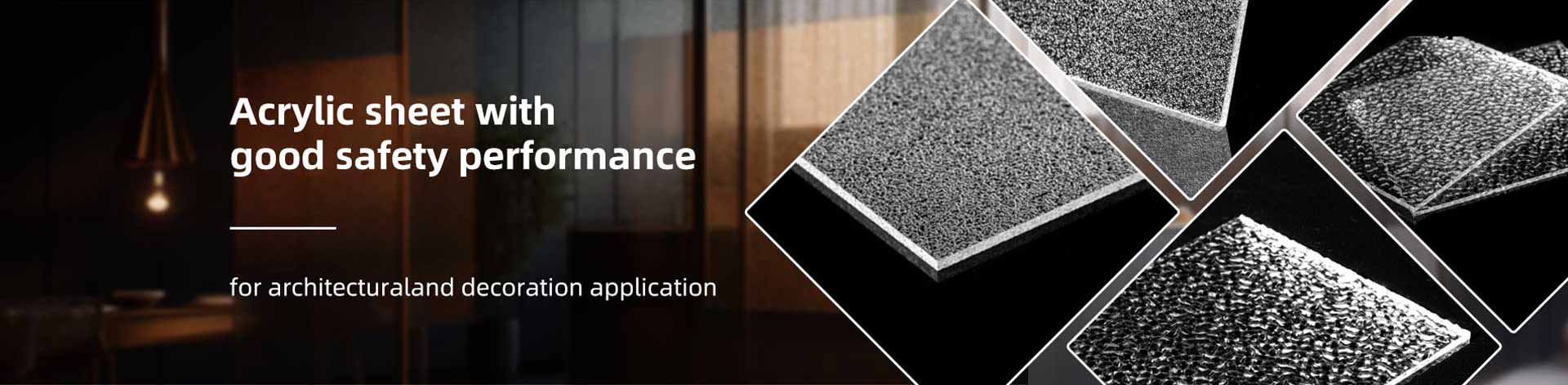
decorative acrylic panels offer lighter weight, flexible designs, and easier customization, while glass panels provide premium transparency and surface hardness. The better choice depends on design goals, installation requirements, and application conditions.
Decorative acrylic panel and glass panel are two popular materials used in modern architecture, interior decoration, furniture, and commercial spaces. Both can create attractive visual effects, but their material characteristics are different.
Decorative acrylic panel uses acrylic material with special colors, textures, patterns, or optical effects to enhance interior appearance.
Glass panel provides a traditional premium surface with excellent transparency, rigidity, and a high-end visual feel.
From a manufacturer’s perspective, selecting between decorative acrylic panels and glass panels requires evaluating design flexibility, safety, weight, processing requirements, and long-term performance.
Decorative acrylic panel creates design value through flexible surface effects and customization options.
Acrylic materials can be produced with different finishes, including:
Textured surfaces
Frosted effects
Color designs
Pattern structures
Transparent or translucent appearances
The main advantages include:
Lightweight structure
Flexible customization
Easy fabrication
Creative design possibilities
Safer handling
Decorative acrylic panels are commonly used in:
Interior wall panels
Furniture decoration
Retail displays
Partitions
Lighting designs
Commercial interiors
They are suitable for projects where designers require unique visual effects and flexible solutions.
Glass panel provides a premium and timeless appearance.
Its smooth surface and transparency create an open, elegant visual effect that is widely used in architectural design.
The main advantages include:
Excellent transparency
High surface hardness
Premium appearance
Strong structural stability
Classic architectural style
Glass panels are commonly used in:
Office interiors
Building facades
Shower partitions
Commercial spaces
Luxury residential designs
They are suitable for projects requiring a traditional high-end material appearance.
Decorative acrylic panel provides greater design flexibility.
Acrylic can be customized through:
Surface treatments
Color adjustments
Pattern designs
Thickness options
Shape processing
This allows designers to create more unique visual effects.
Glass panels offer elegant appearance but generally have more limitations when complex shapes, colors, or lightweight decorative solutions are required.
| Comparison | Decorative Acrylic Panel | Glass Panel |
|---|---|---|
| Design flexibility | Excellent | Moderate |
| Weight | Lightweight | Heavy |
| Transparency | Excellent | Excellent |
| Custom patterns | Easy | More difficult |
| Impact resistance | Higher | Lower |
| Processing | Easier | More complex |
| Design focus | Creative decoration | Premium architecture |
Decorative acrylic panel generally provides better safety.
Compared with glass, acrylic is more impact resistant and less likely to create dangerous sharp fragments when damaged.
This makes acrylic panels suitable for:
Public spaces
Retail environments
Children's areas
Large decorative installations
Glass panels provide strong performance but require more careful handling and installation.
Decorative acrylic panel is better for lightweight designs.
Its lower weight provides advantages in:
Transportation
Installation
Structural requirements
Large-area decoration
This makes acrylic suitable for projects where reducing weight is important.
Glass panels may require stronger support structures due to their heavier weight.
Both materials can provide good durability when properly selected and installed.
Glass panels offer:
High hardness
Strong scratch resistance
Excellent dimensional stability
Decorative acrylic panels offer:
Better impact resistance
Easier replacement
Flexible processing
The better choice depends on the environment and expected usage conditions.
Decorative acrylic panels can replace glass panels in many modern design applications.
They are especially suitable for:
Decorative interiors
Custom furniture
Retail displays
Lightweight partitions
Creative architectural elements
However, glass panels may remain preferred for:
High-wear surfaces
Applications requiring maximum scratch resistance
Traditional architectural glazing
Material selection depends on the specific project requirements.
Professional material suppliers evaluate several factors before selecting design materials.
Decorative acrylic panels are suitable for:
Creative designs
Custom patterns
Unique interiors
Glass panels are suitable for:
Transparent structures
Premium architectural styles
Manufacturers consider:
Weight limitations
Installation method
Structural support
Safety requirements
Different projects require different performance:
Retail spaces may prioritize appearance
Offices may require partitions
Residential projects may balance aesthetics and practicality
Important factors include:
Cutting accuracy
Surface quality
Customization options
Production consistency
Experienced acrylic manufacturers evaluate the complete design concept before recommending suitable materials.
Decorative acrylic panels are the better choice when modern designs require lightweight structures, creative customization, and flexible decorative effects.
Glass panels are the better choice when projects require traditional transparency, premium appearance, and high surface hardness.
For modern interiors, retail displays, custom furniture, and creative architectural designs, decorative acrylic panels provide strong advantages. For traditional architectural applications and premium transparent structures, glass panels remain a reliable solution.
As an acrylic panel manufacturer, Kunxin provides customized decorative acrylic solutions, including textured acrylic panels, decorative sheets, and optical acrylic products designed for modern interior and architectural applications.