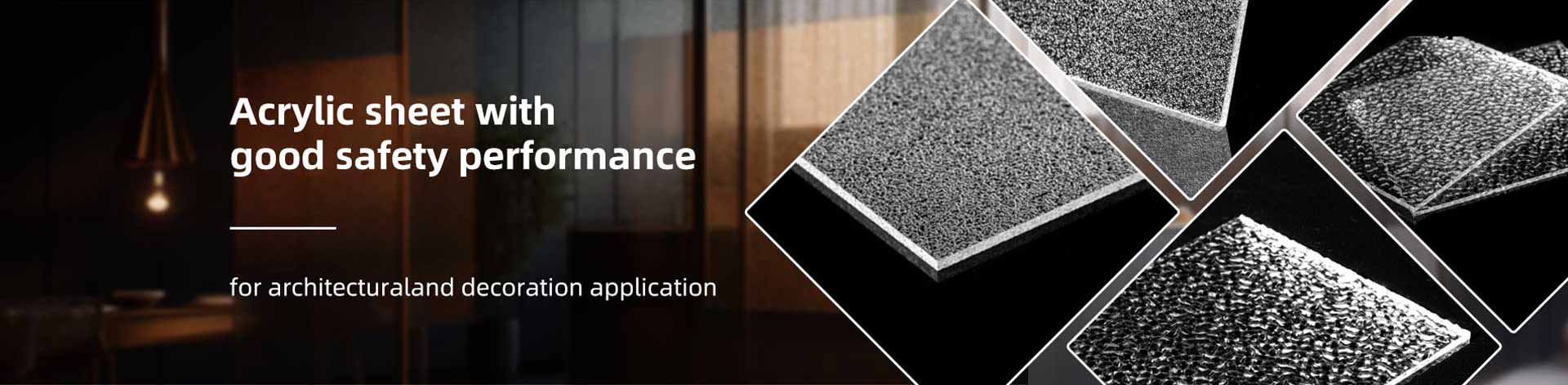
Colored acrylic sheets provide stronger visual impact and design flexibility, while clear acrylic sheets offer maximum transparency and a clean modern appearance. The right choice depends on the desired decorative effect and application requirements.
Colored acrylic sheet and clear acrylic sheet are two widely used decorative acrylic materials for interior design, furniture, displays, lighting, and architectural applications. Both share the advantages of acrylic, including lightweight structure, durability, and easy fabrication, but their visual performance is different.
Colored acrylic sheet contains pigments or color layers that create specific visual appearances. It can be produced in various colors, transparencies, and finishes to match different design concepts.
Clear acrylic sheet maintains a transparent appearance similar to glass, allowing maximum light transmission and visual openness.
From a manufacturer’s perspective, selecting between colored and clear acrylic sheets requires evaluating design goals, lighting effects, branding requirements, and application environments.
Colored acrylic sheet adds visual identity and creative expression to interior and commercial designs.
Through different color options and finishes, manufacturers can create materials that match specific design themes.
The main advantages include:
Strong visual impact
Wide color selection
Creative design flexibility
Consistent appearance
Brand customization possibilities
Colored acrylic sheets are commonly used in:
Retail displays
Furniture panels
Interior decoration
Signage systems
Exhibition designs
Decorative wall panels
They are suitable for projects where color and visual recognition are important.
Clear acrylic sheet provides a clean and open visual effect.
Its high transparency allows light to pass through while maintaining excellent optical clarity.
The main advantages include:
Maximum transparency
Bright visual appearance
Modern minimalist style
Excellent optical clarity
Easy combination with other materials
Clear acrylic sheets are commonly used in:
Display cases
Transparent partitions
Furniture elements
Lighting covers
Architectural decoration
They are suitable for applications requiring visibility and openness.
Colored acrylic sheet generally provides greater decorative flexibility.
Designers can select from:
Solid colors
Transparent colors
Translucent finishes
Special surface effects
This allows acrylic sheets to become part of the overall design language.
Clear acrylic sheet provides flexibility through transparency and material combinations but offers fewer visual variations.
| Comparison | Colored Acrylic Sheet | Clear Acrylic Sheet |
|---|---|---|
| Visual effect | Decorative and expressive | Clean and transparent |
| Color options | Excellent | Limited |
| Transparency | Adjustable | Excellent |
| Light transmission | Depends on color | Maximum |
| Design style | Creative and customized | Minimal and modern |
| Application focus | Decoration and branding | Visibility and openness |
The choice depends on the desired interior atmosphere.
Colored acrylic sheet is suitable for:
Feature walls
Decorative furniture
Brand spaces
Creative interiors
Clear acrylic sheet is suitable for:
Open spaces
Modern minimalist designs
Transparent structures
Display applications
Both materials can enhance interiors when selected according to the design purpose.
Clear acrylic sheet provides better direct light transmission.
Because of its transparency, it allows more light to pass through, making it suitable for:
Light panels
Display lighting
Transparent lighting structures
Colored acrylic sheet can create unique lighting effects through:
Color filtering
Soft visual atmosphere
Decorative illumination
It is commonly used where lighting appearance is part of the design.
Yes, combining colored and clear acrylic sheets can create advanced decorative effects.
Designers may use:
Clear acrylic for transparency
Colored acrylic for accents and visual focus
This combination can achieve:
Layered appearance
Creative lighting effects
Brand-specific designs
Balanced visual openness
Manufacturers can customize:
Colors
Thickness
Dimensions
Surface finishes
Transparency levels
according to project requirements.
Colored acrylic sheet is often preferred for commercial projects requiring strong visual identity.
Applications include:
Retail stores
Exhibition booths
Brand displays
Advertising structures
Clear acrylic sheet is often preferred where product visibility and clean appearance are the priority.
Applications include:
Product displays
Showcases
Protective panels
Transparent partitions
Professional acrylic manufacturers evaluate several factors before selecting decorative materials.
Colored acrylic is suitable for:
Decorative effects
Brand expression
Visual highlights
Clear acrylic is suitable for:
Transparency
Light transmission
Minimalist designs
Manufacturers consider:
Natural light
Artificial lighting
Color effects
Visual comfort
Different spaces have different priorities:
Retail spaces may require attractive colors
Offices may require openness
Residential interiors may require balanced aesthetics
Important factors include:
Cutting accuracy
Thickness selection
Surface quality
Installation method
Experienced acrylic manufacturers evaluate the complete project before recommending suitable materials.
Colored acrylic sheet is the better choice when decorative projects require strong visual effects, customized colors, and creative design expression.
Clear acrylic sheet is the better choice when projects require transparency, brightness, and a clean modern appearance.
For retail, interior decoration, and branding projects, colored acrylic sheets provide stronger decorative advantages. For displays, transparent structures, and minimalist designs, clear acrylic sheets offer greater flexibility.
As an acrylic sheet manufacturer, Kunxin provides customized acrylic solutions, including colored acrylic sheets, clear acrylic sheets, and decorative acrylic products designed for interior, lighting, and architectural applications.