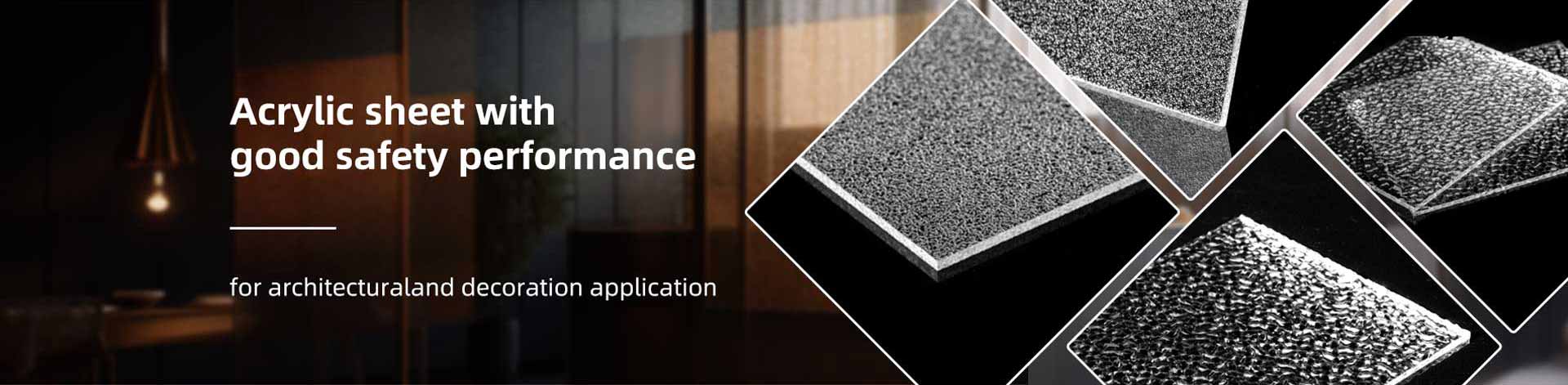
Painting on acrylic sheet is widely used in signage, decorative panels, retail displays, architectural elements, and lighting systems. While acrylic provides a smooth, visually appealing surface, successful coating requires correct preparation, compatible paint systems, and material stability.
Kunxin Plastics manufactures acrylic sheet designed for architectural and display applications, supporting OEM customization and stable bulk supply for project-based installations.
Removing a sticker from an acrylic sheet requires care. Acrylic surfaces are sensitive to scratching, haze, and stress cracking if improper tools or aggressive methods are used. With the right approach, stickers and adhesive residue can be removed cleanly while preserving surface clarity and finish.
Paper protective layers are commonly applied to acrylic sheets to protect the surface during manufacturing, storage, and transportation. Removing this paper correctly is important to avoid adhesive residue, surface scratches, or static-related dust contamination.
Removing paint from an acrylic sheet must be done with care. Acrylic is a clear thermoplastic that can scratch, haze, or develop micro-cracks if improper tools or aggressive methods are used.
Old protective film on acrylic sheets can become difficult to remove after long storage, heat exposure, or aging of the adhesive layer. If handled improperly, removal may leave adhesive residue, cause surface haze, or even damage the acrylic.
Removing glue from an acrylic sheet must be done carefully. Acrylic is a relatively soft thermoplastic, and improper cleaning methods can cause surface haze, scratches, or micro-cracks. With the correct approach, adhesive residue can be removed while preserving the clarity and surface quality of the acrylic sheet.
Brown paper protective film is commonly applied to acrylic sheets to prevent scratches and surface damage during production, storage, and transportation.
Removing acrylic paint from an acrylic sheet requires care, because the paint and the sheet are chemically similar materials. Using the wrong method can permanently damage the surface, cause haze, or create micro-cracks. When done correctly, acrylic paint can be removed while preserving the clarity and surface integrity of the acrylic sheet.