An acrylic sheet can make a good table protector because it provides a lightweight, transparent, and customizable surface layer that helps protect furniture from scratches, stains, moisture, and daily wear. Compared with glass, acrylic offers easier processing, lower weight, and more design flexibility, making it suitable for residential furniture, commercial tables, office surfaces, and customized interior projects.
However, choosing the right acrylic type, thickness, surface finish, and fabrication method is important to ensure long-term performance.
A table protector needs to balance protection and appearance. Unlike opaque protective materials, clear acrylic allows the original table design to remain visible while adding a protective surface.
Common applications include:
Wooden dining tables
Office desks
Coffee tables
Retail display tables
Custom furniture surfaces
Decorative interior projects
Acrylic sheet is made from PMMA, a transparent thermoplastic material known for its optical clarity and processing flexibility. Clear PMMA can achieve around 92% light transmission under ASTM D1003 testing, allowing it to maintain a glass-like appearance while offering easier fabrication. (kunxinplastics.com)
Both acrylic and glass can protect furniture surfaces, but they have different characteristics.
| Factor | Acrylic Sheet | Glass |
|---|---|---|
| Weight | Lightweight | Heavier |
| Impact behavior | More flexible | More brittle |
| Processing | Easy cutting and shaping | More limited processing |
| Customization | High flexibility | Lower flexibility |
| Surface options | Clear, frosted, textured, colored | Mainly transparent |
For projects requiring special shapes, rounded edges, custom sizes, or decorative effects, acrylic provides more manufacturing possibilities.
Thickness selection is one of the most important decisions when using acrylic as a protective surface.
A thicker acrylic sheet generally provides better rigidity, but the correct thickness depends on:
Table size
Support structure
Expected load
Installation method
Surface usage
| Application | Thickness Consideration |
|---|---|
| Small decorative table | Lightweight acrylic options |
| Dining table surface | Medium thickness for balance |
| Large commercial table | Higher rigidity requirements |
| Display furniture | Depends on visual and structural needs |
During the OEM and ODM process, manufacturers should evaluate the complete table structure rather than selecting thickness only based on appearance.
Not all acrylic sheets provide the same protection characteristics.
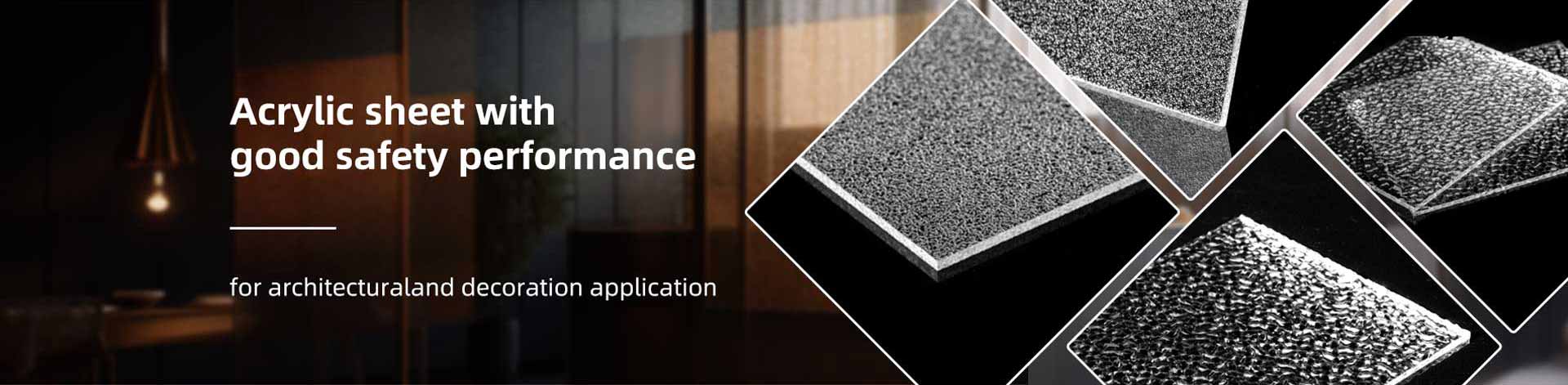
A smooth clear acrylic sheet is commonly selected when maintaining transparency is the priority. Frosted or Textured Acrylic Sheets may be used when a decorative appearance or visual privacy is required.
KUNXIN provides different acrylic solutions including clear plastic plates, Frosted Satin Ice Acrylic Sheets, textured acrylic sheets, Mirrored Acrylic Sheets, and colorful acrylic sheets for architectural and decorative applications. (kunxinplastics.com)
| Surface Type | Suitable For |
|---|---|
| Clear acrylic | Transparent table protection |
| Frosted acrylic | Soft decorative appearance |
| Textured acrylic | Patterned furniture designs |
| Colored acrylic | Customized interior styles |
| Mirror acrylic | Decorative applications |
A table protector may look simple, but production quality affects flatness, appearance, and durability.
The acrylic manufacturing process usually includes:
Raw material selection
Extrusion
Calendering
Cooling
Thickness inspection
Protective film application
Cutting and packaging
KUNXIN uses optical-grade materials and computer-controlled production lines. The company states that it uses Mitsubishi raw materials from Japan, with key processes including extrusion, calendaring, cooling, and masking film completed under dust-free conditions. Its monthly processing capability reaches approximately 600 tons. (kunxinplastics.com)
These controls help maintain consistent thickness and surface quality during bulk production.
Acrylic table protectors often require customized sizes and edge finishing.
A professional acrylic sheet manufacturer can provide:
Custom cutting
Edge polishing
Rounded corners
Drilling
Heat bending
Surface treatment
KUNXIN provides fabrication services including laser cutting, CNC milling, heat bending, diamond polishing, thermoforming, surface treatment, and acrylic laminating. (kunxinplastics.com)
These processes allow acrylic sheets to match different furniture designs and installation requirements.
For bulk supply, manufacturers should evaluate:
| Quality Check | Purpose |
|---|---|
| Thickness tolerance | Ensure stable installation |
| Surface flatness | Prevent visual distortion |
| Transparency | Maintain appearance |
| Edge quality | Improve safety and finish |
| Scratch protection | Reduce handling damage |
| Packaging | Prevent transportation issues |
A practical project sourcing checklist should include:
Acrylic material type
Sheet thickness
Surface finish
Table size
Edge requirements
Processing method
Packaging protection
Final application environment
Working directly with an acrylic sheet manufacturer provides better control over material selection, processing, and quality consistency.
A manufacturer can evaluate whether the acrylic grade, thickness, surface treatment, and fabrication method are suitable for the final application.
KUNXIN focuses on Optical Plastic sheet manufacturing and provides customized solutions with different light transmission levels, surface textures, and shaping options. The company has over 10 years of experience in acrylic and polycarbonate sheet manufacturing and supplying, with products used in LED lighting, architectural applications, and display panels. (kunxinplastics.com)
An acrylic sheet can be an effective table protector when the material specification and manufacturing process are properly selected. With the right thickness, surface finish, processing method, and quality control system, acrylic provides a practical solution that combines protection, appearance, and customization flexibility.
Previous: How Best To Cut Acrylic Sheet
Next: Does Acrylic Sheet Warp?