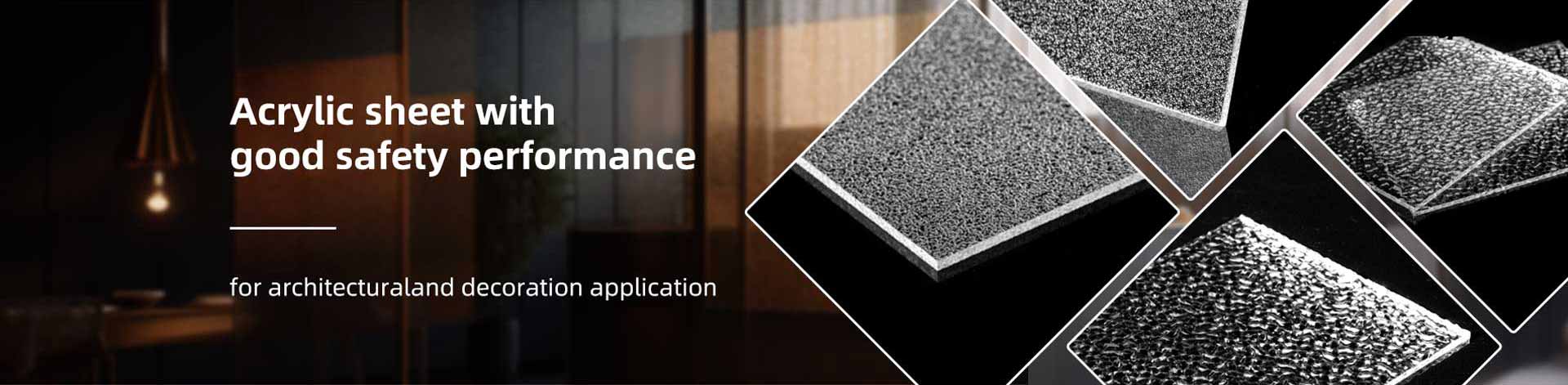
Cast acrylic sheet is produced by transforming liquid methyl methacrylate monomer into solid PMMA through a controlled polymerization process. Unlike extruded acrylic, which is formed by melting and pushing plastic pellets through a die, cast acrylic is created inside molds. This manufacturing method allows better optical clarity, thickness flexibility, and surface quality, making it widely used for premium lighting, architectural panels, displays, and customized applications. (KUNXIN)
The production of cast acrylic sheet starts with methyl methacrylate monomer, commonly known as MMA. During manufacturing, MMA is combined with specific additives depending on the final application requirements.
Typical materials include:
| Material | Purpose |
|---|---|
| MMA monomer | Basic material for PMMA polymerization |
| Initiator | Starts the polymerization reaction |
| UV stabilizer | Improves weather resistance |
| Color additives | Creates customized colors |
| Performance modifiers | Adjusts mechanical properties |
High-purity raw materials are important because impurities can affect transparency, surface quality, and long-term stability. Research on PMMA production shows that polymerization conditions, additives, and monomer quality have a significant influence on the final performance of acrylic sheets. (PubMed Central (PMC))
The first stage of the cast acrylic manufacturing process is preparing the mold.
A typical casting mold consists of:
Two polished glass plates
A sealing gasket
Thickness spacers
The gasket controls the final sheet thickness, while the glass plates create a smooth surface finish.
Different gasket thicknesses allow manufacturers to produce acrylic sheets with different specifications, commonly ranging from thin decorative panels to thick industrial sheets. (美国国际贸易委员会)
Before casting, manufacturers must ensure:
Glass surface cleanliness
Accurate thickness control
Proper sealing
No contamination inside the mold
Any dust or particles inside the mold can create visible defects in the final acrylic sheet.
After mold preparation, the prepared MMA mixture is poured between the glass plates.
During this stage, manufacturers carefully control:
Filling speed
Bubble prevention
Material uniformity
Additive distribution
Air bubbles are one of the most common defects in cast acrylic production. Therefore, controlling the filling process is important for applications requiring optical clarity.
KUNXIN focuses on optical acrylic solutions where surface quality and transparency are critical for applications such as LED lighting, displays, and architectural panels.
The most important stage is polymerization.
During polymerization, MMA molecules connect together and form solid PMMA.
The process requires controlled temperature management because uneven curing can create:
Internal stress
Uneven thickness
Optical distortion
Reduced stability
Cast acrylic is usually cured slowly inside temperature-controlled equipment. Depending on thickness and production conditions, the curing process may take several hours. (KUNXIN)
A controlled polymerization process helps create:
High transparency
Better thickness consistency
Stable mechanical performance
After polymerization, the acrylic sheet requires controlled cooling and stress relief.
Annealing is used to reduce internal stress created during the polymerization process.
This step improves:
| Quality Factor | Benefit |
|---|---|
| Dimensional stability | Reduces deformation risk |
| Processing performance | Improves cutting and machining |
| Surface quality | Reduces stress-related defects |
For customized acrylic projects, stress control is especially important because later processes such as CNC cutting, drilling, and thermoforming can expose hidden material stress.
After the cast acrylic sheet is removed from the mold, additional finishing processes are completed.
These may include:
Edge trimming
Surface protection
Cutting
Polishing
Texture processing
A professional cast acrylic sheet manufacturer should perform quality checks before shipment.
Important quality control checkpoints include:
| Inspection Item | Purpose |
|---|---|
| Optical clarity test | Ensure transparency |
| Thickness measurement | Maintain accuracy |
| Surface inspection | Detect scratches or bubbles |
| Flatness inspection | Ensure stable installation |
| Stress evaluation | Improve processing performance |
KUNXIN applies controlled production processes and provides acrylic solutions including optical sheets, diffuser sheets, textured acrylic panels, and customized fabrication services.
Understanding the difference between cast and extruded acrylic is important when selecting materials.
| Feature | Cast Acrylic | Extruded Acrylic |
|---|---|---|
| Production method | Polymerized inside molds | Melted and extruded |
| Optical clarity | Higher | Good |
| Thickness range | More flexible | More standardized |
| Surface quality | Excellent | Consistent |
| Fabrication performance | Suitable for precision processing | Suitable for high-volume production |
Cast acrylic is often selected when appearance, machining quality, and optical performance are more important than production speed.
For custom acrylic projects, choosing a manufacturer instead of a trader provides better control over:
Material selection
Production method
Thickness requirements
Surface treatment
Fabrication process
Quality inspection
A manufacturer can evaluate whether cast acrylic is suitable for the final application before mass production begins.
A practical project sourcing checklist should include:
Required transparency level
Sheet thickness
Color requirements
Surface finish
Processing method
Application environment
Quantity requirements
Export packaging needs
KUNXIN supports customized acrylic solutions with different thicknesses, textures, colors, and shaping options. Its production capability includes acrylic sheet manufacturing and fabrication processes such as cutting, polishing, thermoforming, and surface treatment.
For large-volume acrylic projects, consistency between batches is essential.
Manufacturers should control:
Raw material quality
Polymerization conditions
Thickness tolerance
Surface protection
Packaging methods
KUNXIN uses optical-grade materials and computer-controlled production systems. The company states that it uses Mitsubishi raw materials from Japan and controls extrusion, calendaring, cooling, and protective film processes under controlled production conditions. Its monthly processing capability reaches approximately 600 tons.
Making cast acrylic sheet is a precise manufacturing process that transforms liquid MMA monomer into high-performance PMMA panels through controlled casting, polymerization, cooling, finishing, and inspection.
The quality of cast acrylic depends not only on the raw material but also on manufacturing control, stress management, and inspection standards. With experience in Optical Plastic manufacturing, customized processing capability, and stable production systems, KUNXIN helps provide reliable acrylic solutions for lighting, architecture, display, and decorative applications.
Previous: How To Make Hole In Acrylic Sheet