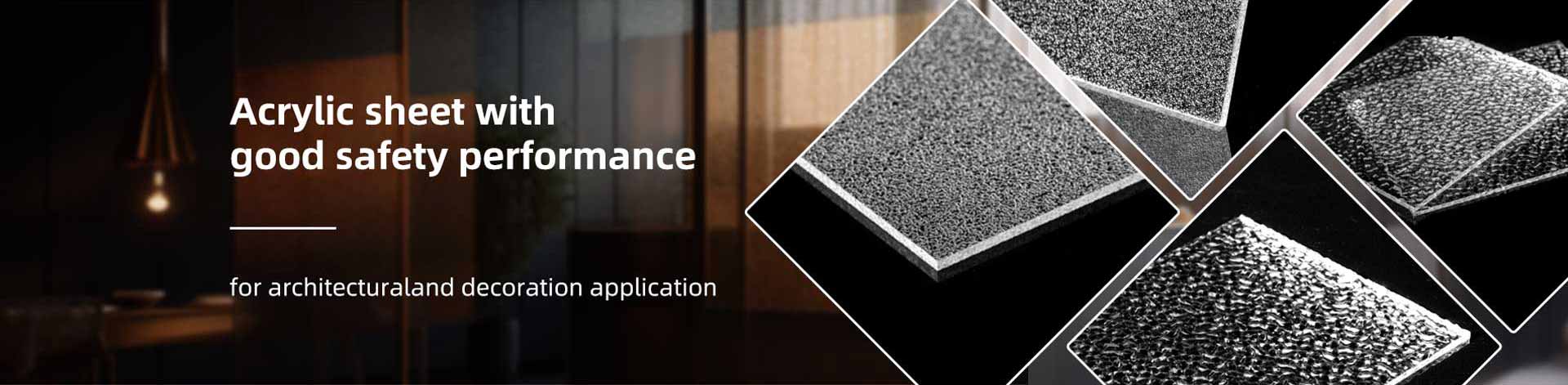
Putting a picture on acrylic sheet requires the right printing method, surface preparation, and material selection to achieve a clear, durable, and professional result. Acrylic is widely used for photo displays, decorative panels, signage, interior products, and customized visual applications because it combines high transparency, lightweight structure, and excellent processing flexibility.
For commercial projects, the process is not simply attaching an image onto plastic. The acrylic grade, printing technology, bonding method, and quality control process all influence the final appearance.
Acrylic sheet is often selected for photo and image displays because of its optical clarity and modern appearance.
Compared with traditional photo frames, acrylic provides:
Crystal-clear visual effect
Lightweight structure
Better design flexibility
Custom shapes and sizes
Easy surface processing
Clear PMMA acrylic can achieve around 92% light transmission under ASTM D1003 testing, making it suitable for applications where image brightness and transparency are important. (KUNXIN)
Common applications include:
Acrylic photo panels
Wall decorations
Retail displays
Exhibition boards
Digital photo frame covers
Interior decoration panels
KUNXIN produces optical acrylic sheets, clear plastic plates, textured acrylic panels, and customized acrylic solutions for lighting, display, and architectural applications. (KUNXIN)
Different image transfer methods create different visual effects.
| Method | Features |
|---|---|
| UV printing | Direct printing with high-resolution images |
| Photo paper mounting | Traditional image attachment method |
| Lamination | Protects image between layers |
| Silk screen printing | Suitable for repeated graphic patterns |
| Back printing | Creates depth and 3D visual effects |
For professional production, UV printing is commonly selected because it allows images, patterns, and colors to be printed directly onto acrylic surfaces.
UV printing is one of the most effective methods for applying pictures onto acrylic panels.
The process usually includes:
Acrylic sheet surface cleaning
Image preparation
Ink application
UV curing
Quality inspection
UV light instantly cures the ink, creating a stable printed layer on the acrylic surface.
Advantages include:
High image resolution
Rich color reproduction
Custom designs
Short development cycle
Suitable for different acrylic colors
For customized acrylic products, manufacturers should test ink adhesion and color performance before bulk production.
The acrylic surface directly affects the final image appearance.
Before printing or bonding, manufacturers need to control:
Surface cleanliness
Flatness
Scratch protection
Surface energy
Dust contamination
A small surface defect can become visible after printing because acrylic has a highly transparent appearance.
KUNXIN uses controlled production conditions for acrylic sheet manufacturing. The company states that extrusion, calendaring, cooling, and masking film processes are completed under dust-free conditions with computer-controlled production lines. (KUNXIN)
This helps maintain consistent surface quality for further processing.
Not every acrylic sheet is suitable for image applications.
Material selection should consider:
| Requirement | Recommended Solution |
|---|---|
| Maximum transparency | Clear optical acrylic sheet |
| Soft visual effect | frosted acrylic sheet |
| Decorative pattern | Textured acrylic sheet |
| Custom color design | Colored acrylic sheet |
| Display applications | Optical PMMA sheet |
KUNXIN provides different acrylic solutions including clear acrylic sheets, frosted satin ice acrylic sheets, textured acrylic sheets, mirrored acrylic sheets, and colorful acrylic sheets. (KUNXIN)
For OEM and ODM projects, putting pictures on acrylic should be considered together with the entire manufacturing process.
A complete production workflow may include:
Acrylic material selection
Sheet cutting
Surface preparation
Image printing
Edge finishing
Protective coating
Final inspection
Packaging
A manufacturer can evaluate:
Acrylic thickness
Printing compatibility
Surface finish
Product structure
Packaging requirements
before mass production begins.
After printing, acrylic panels may require additional processing.
Common fabrication methods include:
| Process | Purpose |
|---|---|
| Laser cutting | Create custom shapes |
| CNC milling | Produce precise structures |
| Diamond polishing | Improve edge clarity |
| Heat bending | Create curved designs |
| Lamination | Add protective layers |
KUNXIN provides fabrication services including laser cutting, CNC milling, heat bending, diamond polishing, thermoforming, surface treatment, and acrylic laminating. (KUNXIN)
These processes allow acrylic picture panels to be customized for different applications.
For large-volume acrylic picture projects, consistency is essential.
Important quality control checkpoints include:
| Inspection Item | Purpose |
|---|---|
| Image color accuracy | Maintain visual consistency |
| Surface inspection | Prevent visible defects |
| Printing adhesion | Improve durability |
| Dimension accuracy | Ensure assembly fit |
| Protective film condition | Prevent transportation damage |
A practical project sourcing checklist should include:
Acrylic material type
Sheet thickness
Image resolution
Printing method
Surface finish
Processing requirements
Quantity
Packaging method
Working directly with an acrylic sheet manufacturer provides better control over material selection, processing, and quality consistency.
A manufacturer can support:
Material recommendations
Prototype development
Printing evaluation
Fabrication optimization
Bulk production control
KUNXIN has over 10 years of experience manufacturing acrylic and polycarbonate sheets. The company specializes in optical acrylic sheets, diffuser sheets, textured acrylic panels, and customized plastic solutions, with products used in LED lighting, architectural applications, display panels, and digital photo-related applications. (KUNXIN)
For international projects, acrylic picture panels require stable quality from production to delivery.
Important considerations include:
Protective packaging
Surface protection
Color consistency
Batch control
Transportation safety
Putting a picture on acrylic sheet is a combination of material selection, printing technology, fabrication, and quality control. With Optical Plastic manufacturing experience, customized processing capabilities, and controlled production systems, KUNXIN helps transform acrylic sheets into high-quality visual solutions for display, decoration, lighting, and architectural applications.
Previous: How To Screw into Acrylic Sheet