Screwing into acrylic sheet is a common fabrication requirement for display panels, lighting covers, architectural structures, and customized plastic components. However, acrylic is different from metal or wood. Without proper drilling methods, hole design, and installation control, screws can create cracks, stress marks, or permanent damage around the fixing area.
For professional acrylic applications, the key is not only making a hole but ensuring the connection remains stable while protecting the material structure.
Acrylic sheet can be fixed with screws, but screws should not usually be installed by directly forcing them into the material.
Unlike wood, acrylic does not compress around a screw thread. Excessive tightening creates concentrated stress, which may lead to:
Cracks around the hole
Stress whitening
Edge damage
Long-term deformation
The recommended method is to drill a properly sized hole first and then install the screw with suitable pressure control.
Acrylic sheet is a PMMA thermoplastic material with excellent transparency and processing flexibility. Clear acrylic can achieve around 92% light transmission under ASTM D1003 testing, which means cracks or stress marks around fixing points can significantly affect the final appearance. (KUNXIN)
The screw selection directly affects acrylic sheet performance.
Common options include:
| Fixing Method | Suitable Application |
|---|---|
| Machine screw with nut | Strong and adjustable connection |
| Acrylic screw | Decorative applications |
| Spacer mounting | Display panels and signage |
| Thread insert | Repeated assembly |
| Self-tapping screw | Limited applications with proper design |
For most professional projects, the hole diameter should be slightly larger than the screw diameter to allow thermal expansion and reduce stress.
Acrylic expands and contracts with temperature changes, so fixed connections should leave enough tolerance for movement.
The safest way to screw into acrylic sheet is:
Mark the fixing position
Secure the acrylic sheet properly
Use a suitable drill bit
Drill at controlled speed
Remove debris from the hole
Install the screw carefully
Important drilling factors include:
| Factor | Influence |
|---|---|
| Drill speed | Controls heat generation |
| Pressure | Prevents cracking |
| Bit condition | Affects hole quality |
| Hole position | Avoids edge stress |
| Sheet thickness | Determines fixing method |
Excessive heat during drilling can soften acrylic and create stress around the hole.
Cracking usually happens because of incorrect installation rather than acrylic itself.
Common causes include:
Hole too close to the sheet edge
Screw tightened too much
Incorrect hole diameter
Poor-quality drilling tools
Material with high internal stress
A practical installation checklist should include:
Keep enough distance between hole and edge
Avoid excessive tightening force
Use washers when necessary
Check acrylic thickness before installation
Test fixing method before mass production
For customized projects, these details should be confirmed during the design stage.
Thickness has a direct influence on mechanical stability.
| Acrylic Thickness | Typical Consideration |
|---|---|
| Thin sheet | Suitable for lightweight fixing |
| Medium thickness | Better balance of strength and weight |
| Thick sheet | Better for structural applications |
A thicker acrylic sheet provides better rigidity, but the fixing design still needs proper engineering.
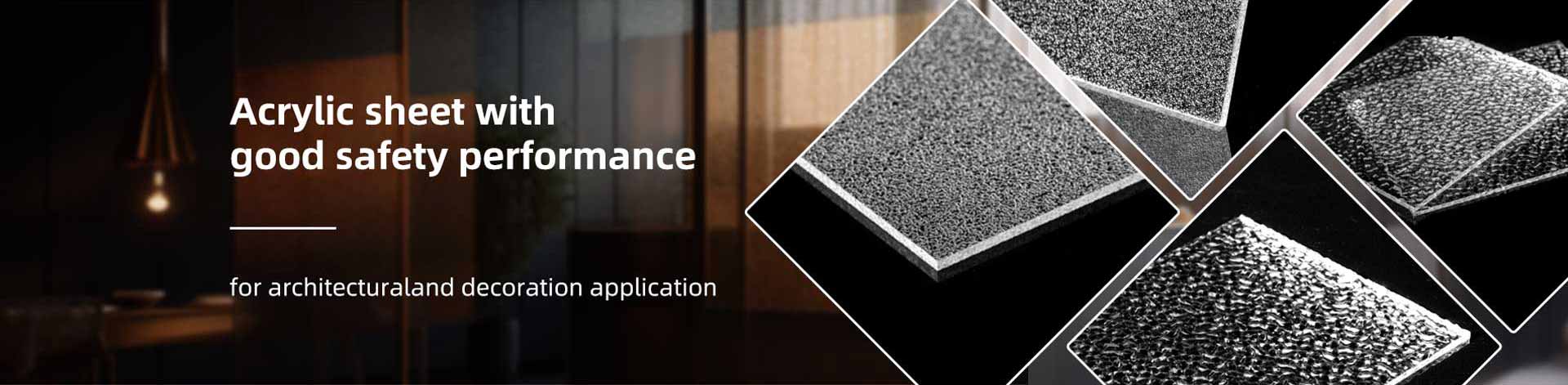
KUNXIN provides different acrylic solutions including clear plastic plates, Textured Acrylic Sheets, frosted acrylic panels, and optical acrylic sheets for lighting, architectural, and display applications. (KUNXIN)
The performance of screwed acrylic structures depends partly on sheet quality.
Important material factors include:
Thickness consistency
Internal stress control
Surface quality
Material uniformity
A professional acrylic sheet manufacturing process includes:
Raw material selection
Extrusion
Calendering
Cooling
Thickness inspection
Protective film application
Cutting and packaging
KUNXIN uses optical-grade materials and computer-controlled production systems. The company states that it uses Mitsubishi raw materials from Japan, while extrusion, calendaring, cooling, and masking film processes are completed under controlled production conditions. Its monthly processing capability reaches approximately 600 tons. (KUNXIN)
Stable material quality helps reduce cracking risks during drilling and assembly.
For large-volume or high-precision projects, CNC machining provides better consistency than manual drilling.
CNC processing can create:
Accurate mounting holes
Repeated fixing positions
Complex panel structures
Better assembly accuracy
During OEM and ODM projects, manufacturers usually review:
Product drawings
Hole locations
Screw specifications
Acrylic thickness
Installation environment
before selecting the most suitable processing method.
KUNXIN provides fabrication services including CNC milling, laser cutting, heat bending, diamond polishing, thermoforming, surface treatment, and acrylic laminating. (KUNXIN)
For bulk production, fixing points require additional inspection.
Important quality control checkpoints include:
| Inspection Item | Purpose |
|---|---|
| Hole diameter | Ensure correct assembly |
| Hole position | Maintain installation accuracy |
| Edge condition | Prevent cracks |
| Surface quality | Maintain appearance |
| Dimension accuracy | Match product design |
A complete project sourcing checklist should include:
Acrylic material type
Sheet thickness
Fixing method
Hole requirements
Assembly conditions
Packaging requirements
Final application environment
Working directly with an acrylic sheet manufacturer provides better control over:
Material selection
Processing methods
Hole accuracy
Assembly design
Quality inspection
A trader may supply standard acrylic sheets, but a manufacturer can optimize the complete production process from raw material selection to final fabrication.
KUNXIN has over 10 years of experience manufacturing and supplying acrylic and polycarbonate sheets. The company specializes in optical acrylic sheets, diffusion sheets, and textured acrylic panels used in LED lighting, architectural applications, display panels, and customized plastic products. (KUNXIN)
For international projects, acrylic components with screw mounting require consistent quality across every production batch.
Manufacturers should confirm:
Material standards
Processing capability
Assembly requirements
Protective packaging
Batch consistency
Screwing into acrylic sheet is reliable when the fixing design, drilling process, material thickness, and installation method are properly controlled. With stable acrylic manufacturing, customized fabrication capabilities, and strict quality management, KUNXIN helps provide acrylic solutions that combine appearance, durability, and production consistency.
Previous: How To Shape Acrylic Sheet