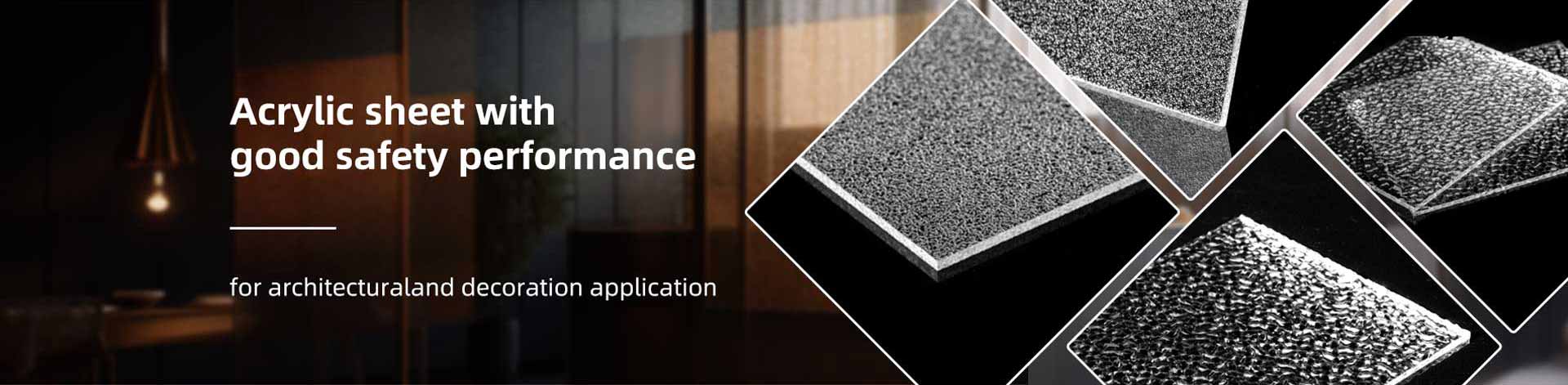
Shaping acrylic sheet requires the right combination of heat control, fabrication technology, and material quality. Because acrylic is a thermoplastic material, it can be transformed into different forms through heat bending, thermoforming, machining, and other processing methods while maintaining excellent optical performance.
For applications such as lighting covers, display panels, architectural decorations, and customized plastic components, the shaping process directly affects appearance, strength, and long-term reliability.
Acrylic sheet, also known as PMMA, is a thermoplastic material that becomes flexible when heated to the appropriate temperature. After cooling, it retains the new shape.
This characteristic allows manufacturers to create:
Curved panels
Decorative structures
Custom housings
Lighting components
Display products
Architectural elements
Clear acrylic can achieve around 92% light transmission under ASTM D1003 testing, making it suitable for applications where both shaping ability and optical clarity are required. (KUNXIN)
However, successful shaping depends on:
Acrylic grade
Sheet thickness
Heating temperature
Forming method
Cooling process
Internal stress control
Different applications require different shaping methods.
| Shaping Method | Suitable Application |
|---|---|
| Heat bending | Simple curves and angle forming |
| Thermoforming | Three-dimensional shapes |
| CNC machining | Precision structures |
| Laser cutting | Complex profiles |
| Surface treatment | Decorative effects |
Selecting the correct method during the design stage helps reduce material waste and improves production consistency.
Heat bending is one of the most common methods for shaping acrylic.
The process includes:
Marking the bending position
Heating the specific area
Softening the acrylic sheet
Creating the required angle or curve
Cooling and stabilizing the shape
The heating temperature must be carefully controlled. Excessive heat may cause:
Surface bubbles
Uneven deformation
Optical distortion
Stress marks
Heat bending is commonly used for:
Display stands
Protective covers
Decorative partitions
Lighting components
For customized projects, manufacturers need to evaluate the acrylic thickness and bending radius before production.
Thermoforming allows flat acrylic sheets to become three-dimensional products.
The basic process includes:
Heating acrylic sheet until flexible
Placing the sheet over a mold
Applying vacuum or pressure
Cooling the formed product
Thermoforming is suitable for products requiring:
Curved surfaces
Custom covers
Complex designs
Integrated structures
Compared with simple bending, thermoforming provides more freedom for product development.
For projects requiring accurate dimensions, CNC machining provides better control.
CNC processing can create:
Precise holes
Complex patterns
Detailed edges
Customized components
During OEM and ODM development, manufacturers usually review:
Product drawings
Required tolerance
Sheet thickness
Assembly method
Final application
before selecting the most suitable shaping method.
Acrylic shaping performance depends heavily on the original sheet quality.
Important material factors include:
| Material Factor | Impact |
|---|---|
| Thickness consistency | Improves forming accuracy |
| Internal stress control | Reduces cracking risk |
| Surface quality | Maintains appearance |
| Material purity | Improves optical performance |
KUNXIN focuses on optical acrylic sheets, diffuser sheets, textured acrylic panels, and customized plastic solutions. The company uses optical-grade materials and computer-controlled production systems, with extrusion, calendaring, cooling, and masking processes completed under controlled production conditions. Its monthly processing capability reaches approximately 600 tons. (KUNXIN)
Stable sheet quality provides a better foundation for further shaping and fabrication.
The correct acrylic specification depends on the final application.
A practical project sourcing checklist should include:
Acrylic thickness
Required shape
Bending radius
Surface finish
Transparency requirements
Production quantity
Installation conditions
| Application | Recommended Consideration |
|---|---|
| LED lighting cover | Optical clarity and diffusion |
| Display products | Surface quality and shape accuracy |
| Architectural panels | Strength and dimensional stability |
| Decorative products | Texture and appearance |
KUNXIN provides different acrylic solutions including clear plastic plates, frosted acrylic sheets, Textured Acrylic Sheets, mirrored acrylic sheets, and colorful acrylic sheets for various design requirements. (KUNXIN)
A complete acrylic production workflow includes:
Raw material preparation
Sheet manufacturing
Thickness inspection
Surface protection
Cutting and shaping
Finishing
Quality inspection
Packaging
Professional manufacturers consider shaping requirements before mass production to avoid problems such as deformation, cracking, and inconsistent appearance.
KUNXIN provides fabrication services including:
Laser cutting
CNC milling
Saw cutting
Heat bending
Diamond polishing
Acrylic thermoforming
Surface treatment
Acrylic laminating
These capabilities allow acrylic sheets to be transformed into customized products for lighting, decoration, and display applications. (KUNXIN)
For bulk supply, every shaped acrylic component needs consistent inspection.
Important quality control checkpoints include:
| Inspection Item | Purpose |
|---|---|
| Shape accuracy | Match design requirements |
| Surface quality | Prevent visible defects |
| Thickness measurement | Maintain stability |
| Edge condition | Improve product safety |
| Optical performance | Maintain visual quality |
For export projects, stable quality between production batches is especially important because inconsistent dimensions can affect assembly and installation.
Working directly with an acrylic sheet manufacturer provides better control over:
Material selection
Processing methods
Production consistency
Quality inspection
Custom development
A trader may supply standard acrylic sheets, but a manufacturer can optimize the complete process from material selection to final fabrication.
KUNXIN has over 10 years of experience manufacturing and supplying acrylic and polycarbonate sheets. The company specializes in optical acrylic products and textured acrylic panels used in LED lighting, architectural applications, display panels, and customized projects. (KUNXIN)
For international acrylic projects, manufacturers should confirm:
Material standards
Production capability
Packaging requirements
Processing accuracy
Batch consistency
Shaping acrylic sheet successfully requires more than applying heat or cutting the material. The best results come from combining suitable material selection, controlled processing technology, and strict quality management.
With Optical Plastic manufacturing experience, customized fabrication capabilities, and stable production systems, KUNXIN helps provide acrylic solutions that combine design flexibility, visual performance, and reliable production quality.