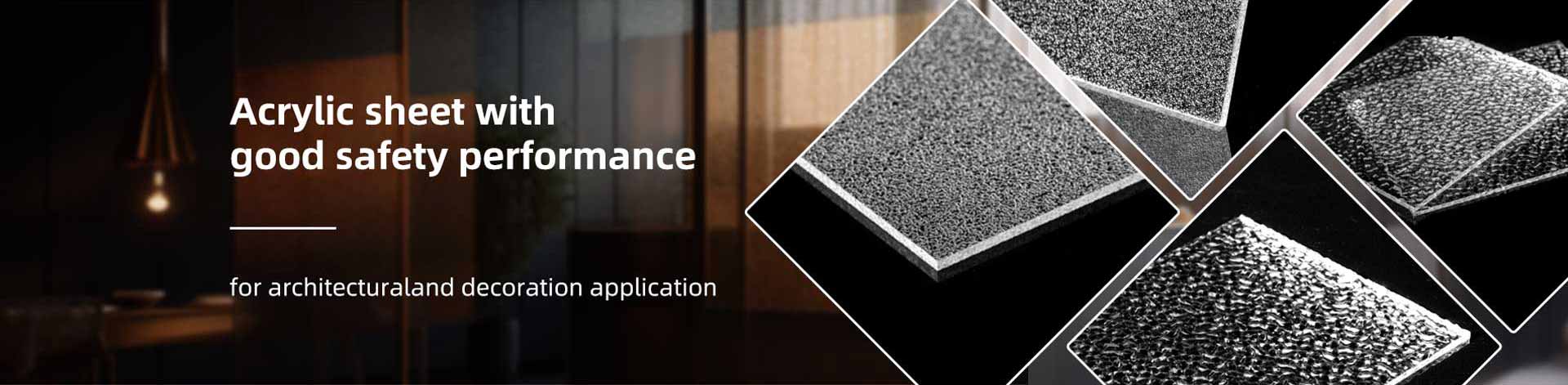
Acrylic sheet can scratch, especially when exposed to sharp objects, rough cleaning methods, or improper handling. However, high-quality acrylic with controlled manufacturing processes can maintain a smooth and clear surface for long-term applications. Understanding scratch resistance, surface protection, and processing methods is important when selecting acrylic materials for lighting, architecture, display, and decorative projects.
Acrylic sheet, also known as PMMA, has excellent transparency and processing flexibility, but its surface hardness is lower than glass. This means the material can develop visible marks when it contacts abrasive materials.
Common causes of acrylic scratches include:
Improper transportation
Removing protective film incorrectly
Using rough cleaning materials
Contact with sharp objects
Poor storage conditions
Incorrect fabrication methods
For applications requiring optical clarity, even small surface defects can affect appearance and light performance.
KUNXIN produces optical acrylic sheets, decorative acrylic panels, and PMMA materials designed for lighting, architectural, and display applications. The company uses controlled production processes and protective film application to reduce surface contamination and handling damage.
Not all acrylic sheets have the same surface performance. The finish and application determine how easily scratches become visible.
| Acrylic Surface Type | Scratch Consideration |
|---|---|
| Clear acrylic sheet | High transparency makes scratches easier to notice |
| frosted acrylic sheet | Surface texture can reduce visible marks |
| Textured acrylic sheet | Pattern structure can hide minor surface changes |
| Mirror acrylic sheet | Requires careful handling to protect reflection |
| Optical acrylic sheet | Requires stricter surface control |
KUNXIN supplies clear plastic plates, frosted satin ice acrylic sheets, textured acrylic sheets, mirrored acrylic sheets, and colorful acrylic sheets for different applications.
Thickness mainly affects strength and rigidity rather than surface hardness. A thicker acrylic sheet is less likely to bend or deform, but the surface can still be scratched if it is not properly protected.
During an OEM or ODM project, manufacturers should consider:
Required thickness
Surface finish
Application environment
Cleaning method
Processing requirements
Packaging protection
A professional acrylic sheet manufacturer evaluates the complete application instead of selecting thickness alone.
Most acrylic sheets are supplied with protective film to prevent scratches during production, storage, cutting, and transportation.
A complete manufacturing process usually includes:
Raw material preparation
Extrusion
Calendering
Cooling
Surface protection
Cutting
Inspection
Packing
KUNXIN uses extrusion, calendaring, cooling, and masking film processes in controlled production conditions. The company states that production lines are fully automatic and computer controlled, with monthly processing capability reaching approximately 600 tons.
This process control helps maintain consistent surface quality across large production batches.
Minor scratches can sometimes be removed through polishing or surface treatment.
Common repair methods include:
| Scratch Level | Possible Solution |
|---|---|
| Light surface marks | Cleaning and polishing |
| Medium scratches | Sanding and polishing |
| Deep scratches | Professional repair or replacement |
However, for optical applications such as LED diffuser sheets or transparent panels, repairing scratches may affect optical performance. Prevention is usually more reliable than correction.
For bulk acrylic sheet supply, surface inspection should be included as a key quality checkpoint.
Important checks include:
Surface cleanliness
Flatness
Thickness tolerance
Transparency consistency
Protective film condition
Edge quality
Scratch inspection
KUNXIN uses optical-grade materials and focuses on surface consistency for products including acrylic diffuser sheets, optical PMMA sheets, and textured acrylic panels.
When sourcing acrylic sheets, working directly with a manufacturer provides better control over material selection, surface treatment, fabrication methods, and quality inspection.
A manufacturer can adjust:
Raw material selection
Sheet thickness
Surface texture
Protective film requirements
Cutting method
Packaging solution
KUNXIN provides customized acrylic solutions with different light transmission levels, surface textures, and shaping options. The company also offers processing services including laser cutting, CNC milling, heat bending, diamond polishing, thermoforming, surface treatment, and acrylic laminating.
A practical project sourcing checklist should include:
Acrylic material type
Surface finish
Application environment
Expected handling conditions
Cleaning requirements
Packaging method
Required quantity
Final processing needs
For lighting, architectural, and display projects, scratch resistance is not only about the material itself. It depends on manufacturing quality, surface protection, processing control, and correct handling throughout the supply chain.
Acrylic sheet can scratch, but proper material selection and production control can significantly reduce surface damage. With Optical Plastic manufacturing experience, customized processing capabilities, and controlled quality systems, KUNXIN helps provide acrylic solutions that balance clarity, appearance, and long-term usability.
Previous: Does Acrylic Sheet Shatter?